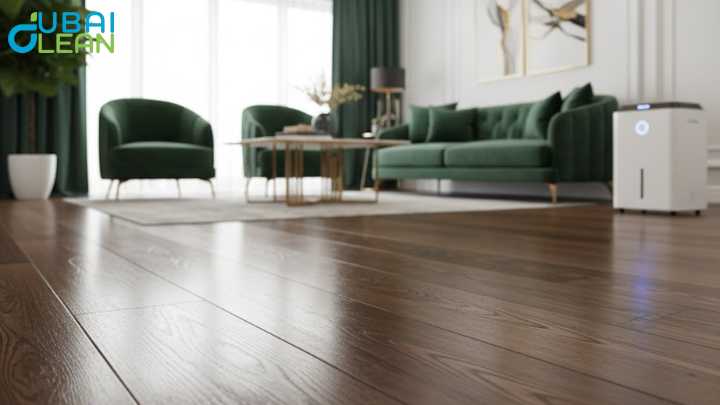



Living in Dubai means adapting to a modern urban lifestyle where indoor environments play a major role in daily health. The city’s desert climate brings frequent dust exposure, high temperatures, and continuous air-conditioning usage, which can affect indoor air quality. Dust particles, humidity, and poor ventilation may contribute to respiratory discomfort and allergy symptoms. Maintaining a clean home is therefore essential for supporting long-term physical and mental wellness.
1. Understanding Dubai’s Unique Indoor Health Risks
The lifestyle in Dubai is strongly influenced by its desert climate and modern air-conditioned infrastructure. While AC systems provide comfort during extreme heat, poor indoor hygiene can allow dust, humidity, and microorganisms to accumulate inside homes. These hidden pollutants may gradually affect respiratory health and overall well-being. Maintaining proper home cleanliness is therefore essential for long-term family safety.
Desert Dust & Fine Particles (PM2.5)
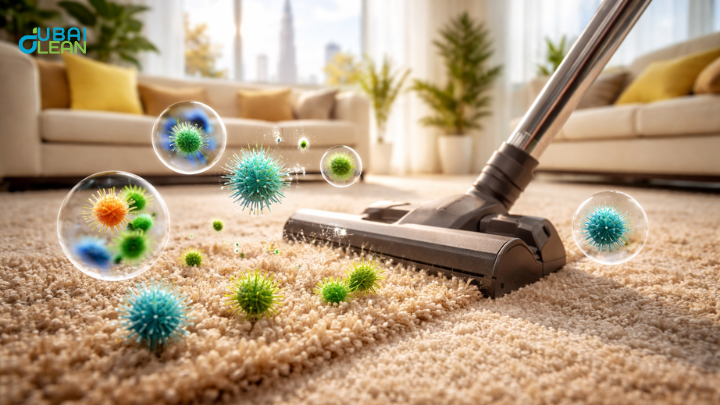
Desert dust storms are common in the UAE and can easily carry fine particulate matter into indoor spaces through doors, windows, and ventilation systems. PM2.5 particles are extremely small and can penetrate deep into the lungs when inhaled, increasing the risk of respiratory irritation and allergy symptoms. Carpets, curtains, and upholstered furniture often act as dust reservoirs if not cleaned regularly.
High Humidity & Mold Growth
Indoor humidity may rise in kitchens, bathrooms, and poorly ventilated rooms, especially due to condensation from air conditioners. Moist environments encourage mold and bacterial growth on walls, ceilings, and hidden surface areas. Exposure to mold spores can trigger nasal congestion, skin irritation, and breathing discomfort in sensitive individuals.
AC-Dependent Lifestyle and Air Hygiene
Since most households in United Arab Emirates rely on air conditioning, dirty filters can circulate trapped dust, bacteria, and allergens throughout living spaces. Regular HVAC maintenance helps improve indoor air quality and reduces respiratory strain during sleep and daily activities. Professional duct cleaning and filter replacement are important preventive measures for healthy airflow.
2. Improved Respiratory Health Through a Clean Home Environment
Maintaining a hygienic living space in Dubai is essential for supporting healthy lung function because indoor air quality directly affects breathing comfort. Since residents spend long hours indoors using air conditioning, dust control and sanitation play a key role in reducing respiratory irritation. A clean home helps minimize exposure to allergens, pollutants, and microbial particles that may accumulate in enclosed environments.
Reduced Asthma Triggers: Dust buildup in carpets, curtains, and mattresses is a major source of asthma triggers for sensitive individuals. Desert dust combined with indoor allergens creates continuous respiratory exposure that can worsen breathing difficulties over time. Deep vacuuming, textile cleaning, and regular surface sanitation help remove microscopic irritants from indoor air circulation.
Lower Allergy Symptoms: Allergy symptoms are often linked to dust mites, mold spores, and pollen particles trapped in household fabrics. Bedrooms are particularly important because prolonged exposure occurs during sleep. Washing bedding with hot water, cleaning mattresses, and maintaining air conditioner filter hygiene can significantly reduce allergen circulation inside the home.
Fewer Airborne Pathogens: Proper home sanitation reduces the survival of bacteria and viruses on frequently touched surfaces such as furniture, kitchen counters, and door handles. Regular disinfection practices help lower household infection transmission risk. Although cleanliness alone cannot guarantee disease prevention, it supports the body’s natural immune defense by reducing environmental pathogen load.
Long-Term Respiratory Health Protection: Poor indoor hygiene may gradually increase the risk of chronic respiratory infections and lung inflammation. Fine particulate matter such as PM2.5 can reach deep lung tissues and cause oxidative stress, which may weaken pulmonary efficiency over time. Environmental health research indicates that maintaining lower indoor pollutant concentration improves oxygen exchange and supports long-term respiratory wellness in desert climate regions.
3. Stronger Immune System Support
Maintaining a clean home environment in Dubai helps strengthen the body’s natural defense system by limiting exposure to harmful microorganisms. Urban living conditions, combined with dust accumulation and continuous air circulation from air conditioning systems, make household sanitation an important factor in protecting overall health.
Reduced Bacterial Load on Surfaces
Regular sanitization of frequently touched surfaces helps minimize bacterial growth inside the home. Items such as door handles, tables, light switches, and electronic remotes are common transmission points for germs if cleaning is neglected.
Removing organic residues, sweat traces, and accumulated dust reduces the environment where microorganisms can multiply. High-touch surface hygiene is particularly important in shared family households where infection transmission risk is higher.
Kitchen Hygiene and Food Safety
Kitchen cleanliness plays a vital role in preventing foodborne illnesses. Proper washing of utensils, cleaning cooking counters after food preparation, and storing food safely help reduce contamination risks.
Warm kitchen environments may encourage bacterial growth on leftover food particles. Waste should be disposed of regularly, and food should be kept covered to avoid exposure to airborne microbes.
Bathroom Sanitization and Infection Prevention
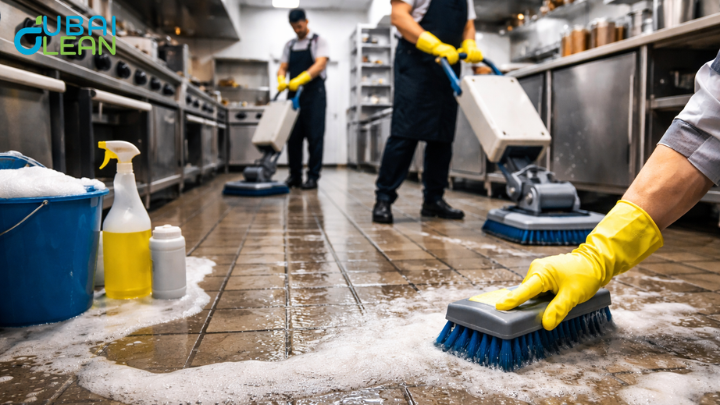
Bathrooms are moisture-rich areas where bacteria, viruses, and fungi can survive if hygiene is ignored. Cleaning and disinfecting sinks, toilet surfaces, and floors help control microbial spread inside the home.
Using suitable cleaning products, allowing surfaces to dry properly, and maintaining good ventilation are important practices for preventing microbial growth and supporting healthy indoor air conditions.
4. Mental Health and Stress Reduction in Urban Living Spaces
Living in a high-pressure urban environment like Dubai requires balancing professional, family, and lifestyle responsibilities. Home environment quality plays a significant role in supporting emotional stability because people spend a large portion of their time indoors. Maintaining a clean and organized home helps create a calming atmosphere that supports mental relaxation after a busy day.
Clutter and Cortisol Levels
Environmental psychology research indicates that cluttered living spaces may contribute to increased cortisol secretion, which is commonly associated with stress response. Visual disorder inside rooms can create subconscious cognitive fatigue and reduce the ability to relax after work or daily activities.
Studies referenced by the American Psychological Association show that clean, organized environments are linked to lower anxiety levels, improved mood stability, and better emotional control.
Clean Environment Improves Productivity for Remote Workers
With the rise of remote working lifestyles in the United Arab Emirates, home workspace hygiene has become an important factor for productivity. Dust-free desks, proper lighting, and organized working materials help reduce mental distraction and support sustained concentration.
A clean home office environment enhances cognitive processing because the brain functions more efficiently in visually simple and orderly surroundings.
Psychological Comfort in Organized Spaces
Clean living spaces create a subconscious sense of safety and environmental control, which is essential for mental wellness. Fresh indoor air, sanitized surfaces, and systematically arranged household items help promote relaxation and emotional balance.
In high-density apartment living common in modern urban areas of Dubai, maintaining home cleanliness is particularly important for supporting stress-free living and improving overall quality of life.
5. Better Sleep Quality in Clean Bedrooms
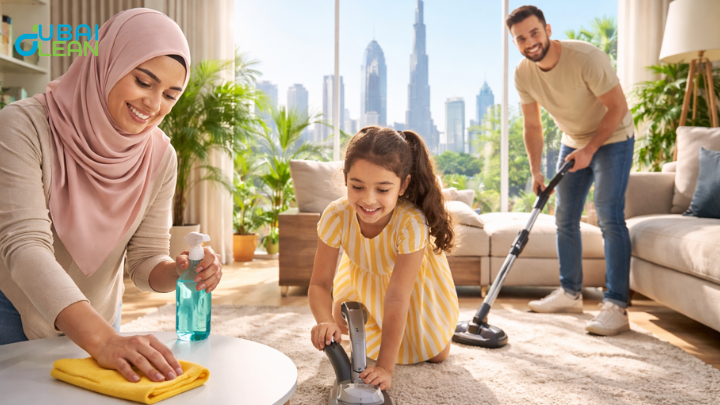
Quality sleep is essential for maintaining physical recovery, cognitive performance, and emotional balance, especially in the urban lifestyle of Dubai. Bedroom hygiene directly influences nighttime breathing comfort because indoor dust levels, air circulation, and bedding cleanliness affect respiratory stability during sleep hours and reducing indoor air pollution and health risks is key to better sleep and overall well-being.
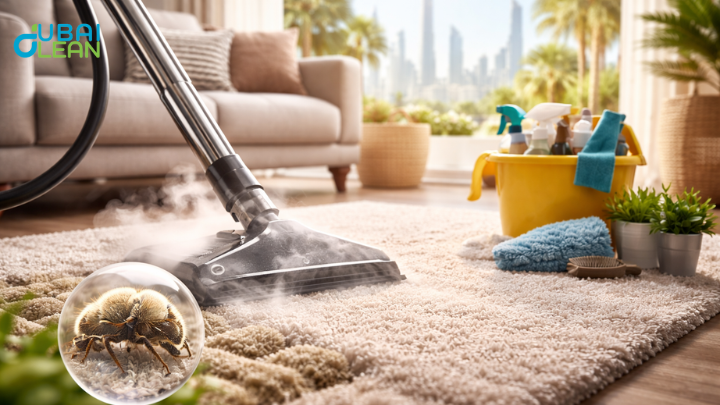
Dust Mites and Mattress Hygiene: Mattresses, pillows, and bed linens can become breeding environments for dust mites when cleaning is irregular. These microscopic organisms feed on shed skin cells and tend to multiply in warm indoor temperatures common in air-conditioned homes.
Clean Air Improves Oxygen Intake: Fresh and clean indoor air supports efficient oxygen absorption during sleep. Bedrooms free from excessive dust, chemical residues, and stagnant air allow the respiratory system to maintain stable breathing patterns throughout the night.
Air Conditioner Filter Hygiene and Nighttime Breathing Comfort: Since air conditioning is widely used in the United Arab Emirates, maintaining clean AC filters is essential for healthy indoor air circulation. Dirty filters can release trapped dust, bacteria, and allergens back into the bedroom environment during sleeping hours.
Sleep Quality and Long-Term Wellness: Sleep quality is closely linked to cardiovascular health, immune function, and cognitive performance. Chronic sleep disturbance may contribute to increased blood pressure, reduced mental alertness, and weakened immunity. Maintaining a clean and hygienic bedroom environment is therefore an important preventive measure for supporting long-term health stability.
6. Child and Elderly Health Protection
Children and elderly family members are more vulnerable to indoor environmental pollutants because their immune and respiratory systems are relatively sensitive. In households located in Dubai, where dust exposure and air-conditioning usage are common, maintaining high indoor hygiene standards is especially important for protecting family health.
Babies are particularly sensitive to airborne dust and chemical residues because their breathing rate is higher compared to body size. Exposure to accumulated dust or harsh cleaning chemicals may increase the risk of skin irritation, allergic reactions, and breathing discomfort. Similarly, older adults are more prone to respiratory infections and complications from chronic illnesses when indoor air quality is poor.
Safe Cleaning Practices
- Use non-toxic, certified eco-friendly cleaning products approved by environmental safety standards
- Avoid using strong chemical cleaners inside closed or poorly ventilated rooms
- Ensure proper air circulation by opening windows or using ventilation systems after cleaning
- Keep children and elderly individuals away from areas undergoing intensive cleaning activities
Selecting environmentally safe and certified cleaning solutions supports long-term household health protection and aligns with modern indoor environmental safety recommendations.
Conclusion
Maintaining a clean home in Dubai is a long-term health investment that supports respiratory wellness, immunity, and mental comfort for families. In desert climate regions, indoor hygiene is essential because outdoor dust, heat, and humidity can easily influence indoor air quality. Regular cleaning practices help prevent health risks rather than treating problems after they occur. Using safe cleaning products and scheduling professional sanitation services promotes a healthier and more comfortable living environment.
FAQs
Q1. Why is home cleanliness important in Dubai?
Home cleanliness is important because Dubai’s desert climate increases dust exposure and indoor air pollution. Regular cleaning helps maintain better respiratory health and indoor comfort. It also supports long-term family wellness.
Q2. How does a clean home improve health?
A clean home reduces allergens, bacteria, and pest-related contamination risks. According to World Health Organization guidance, good indoor hygiene supports disease prevention and healthy living.
Q3. How often should homes be cleaned in desert climates?
Weekly dust removal and monthly deep cleaning are recommended in high-dust environments. Air conditioning filters should also be checked regularly to maintain indoor air quality.
Q4. Are eco-friendly cleaning products safer for families?
Yes, non-toxic cleaning products reduce exposure to harmful chemical fumes. They are especially beneficial for children and elderly family members living in urban households.