


Keeping your sofa clean is essential for maintaining a fresh, comfortable, and healthy living space. Over time, sofas accumulate dust, dirt, food stains, odors, and even pet hair, which can make your furniture look old and unhygienic. Learning how to clean the sofa fabric properly not only enhances its appearance but also extends its lifespan, saving you from costly replacements. Whether you are cleaning couches at home as part of your regular household routine or tackling stubborn spills and stains, knowing the best way to clean a couch ensures that your furniture remains soft, fresh, and inviting. Regular cleaning also prevents bacteria buildup and unpleasant odors, making your living room safer and more comfortable for family members and guests. By following the right techniques, you can keep your sofa looking like new and maintain a welcoming environment in your home.
Understanding Your Fabric Sofa
Before starting any cleaning process, it’s important to understand your sofa’s fabric type and care instructions. Different materials require different methods, and knowing this ensures you clean your sofa safely and effectively.
Identify Your Sofa Material
Sofas can be made from a variety of fabrics such as cotton, linen, microfiber, and synthetic blends.Each type of fabric reacts differently to various cleaning methods and solutions.
- Cotton and linen are natural fabrics that can tolerate gentle water-based cleaning but may shrink if over-wet.
- Microfiber is durable and stain-resistant, often cleaned with rubbing alcohol or mild detergents.
- Synthetic blends may require specific upholstery cleaners to avoid fading or fiber damage.
Understanding your sofa material helps you choose the right cleaning approach, ensuring better results and preventing accidental damage.
Check the Manufacturer’s Care Label
Most sofas come with a care label that includes important symbols for washing, vacuuming, and professional cleaning. These labels guide you on:
- Which cleaning agents are safe to use
- Whether water-based cleaning is suitable
- If professional steam cleaning is recommended
Ignoring the care label can lead to color fading, fabric shrinkage, or permanent stains, so always check these instructions before starting any cleaning method. Following the manufacturer’s guidance keeps your sofa looking fresh and extends its lifespan.
Step-by-Step Guide to Cleaning Couches at Home
Keeping your sofa clean at home can be simple and hassle-free. By following regular care routines and using the right cleaning techniques, you can keep your furniture looking fresh and hygienic.
Daily Maintenance Tips
Daily care is key to extending the life of your sofa fabric. Begin by vacuuming your sofa regularly to eliminate dust, crumbs, and debris. Use a soft brush attachment to gently remove pet hair without damaging the fibers. Brushing off loose dirt and wiping spills immediately prevents stains from settling, helping maintain a fresh and inviting sofa. Simple daily habits like these can prevent dirt buildup and reduce the need for frequent deep cleaning.
Spot Cleaning for Small Stains
Accidents happen, but quick action can save your sofa. For small stains, use mild detergents or a baking soda paste to gently clean the affected area. Always blot stains instead of rubbing, as rubbing can spread the stain or damage the fabric. Always test a cleaning solution on a hidden area first to make sure it won’t cause discoloration. Spot cleaning provides a fast and efficient way to keep your sofa clean without doing a complete wash.
Deep Cleaning Methods
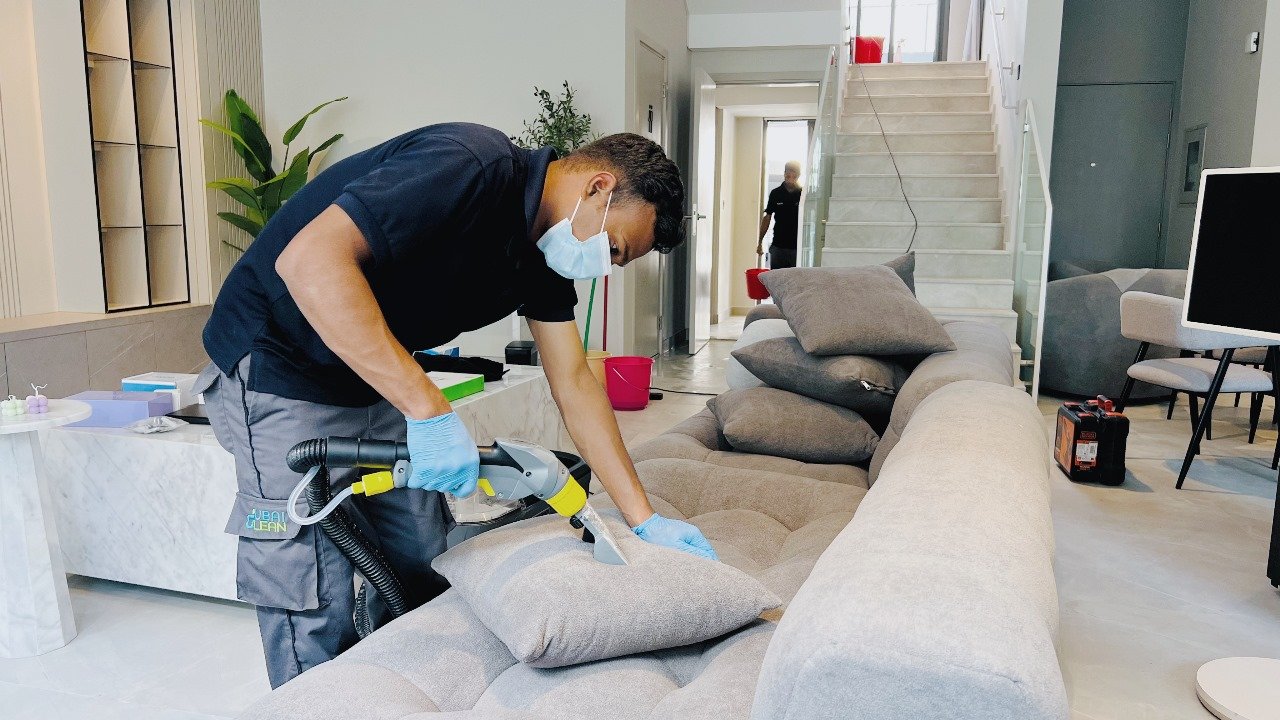
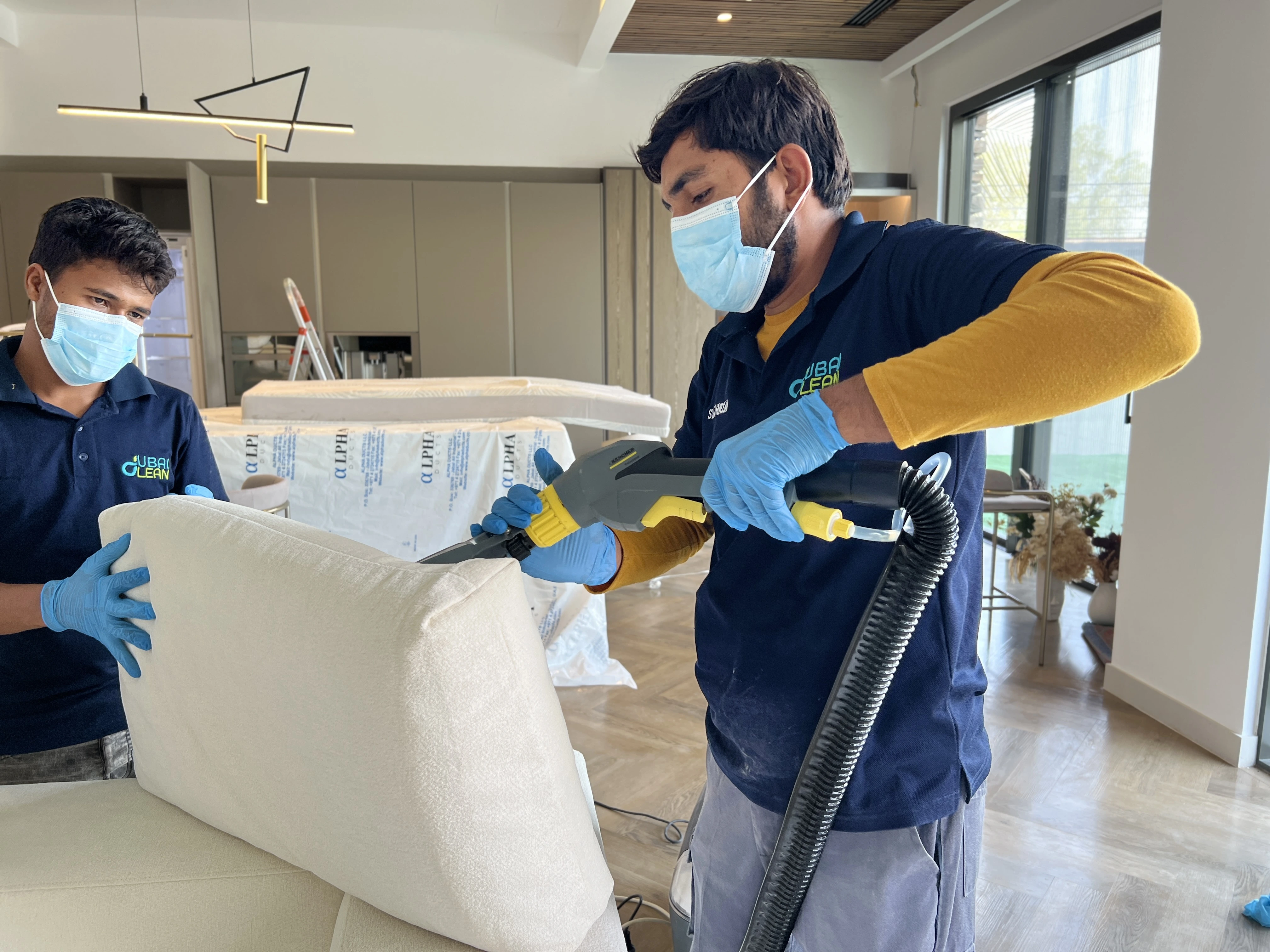
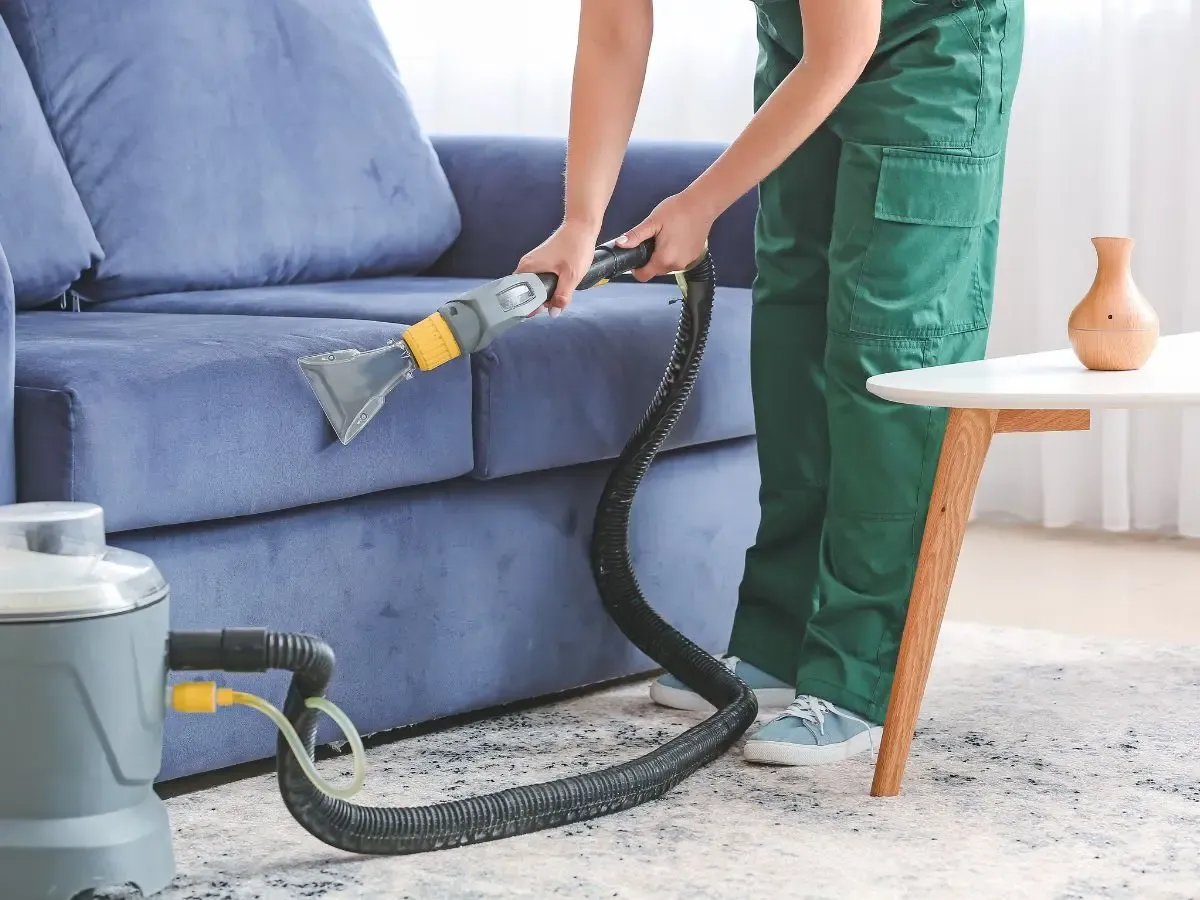
Sometimes, sofas need more than daily maintenance.Steam cleaning works best for lifting dirt trapped deep within the fibers, while upholstery cleaners provide an easy solution for regular deep cleaning. DIY solutions, like water-vinegar mixes, can also refresh the fabric and remove odors. Each method has pros and cons: steam cleaning is thorough but time-consuming, upholstery cleaners are easy but sometimes chemical-based, and DIY solutions are affordable but may require caution to avoid over-wetting. Choose the method that best fits your sofa material and your cleaning needs.
Best Way to Clean a Couch
Finding the best way to clean a couch ensures that your sofa stays fresh, comfortable, and long-lasting. Using the right products and following a careful process can make a huge difference in maintaining fabric quality.
Choosing the Right Cleaning Products
Selecting the appropriate cleaning solution is essential for effective and safe sofa cleaning. Eco-friendly cleaners are gentle on fabrics and safe for homes with children or pets, while store-bought upholstery sprays offer convenience and targeted stain removal. Avoid harsh chemicals, such as bleach or strong detergents, as these can weaken fabric fibers, cause color fading, or leave residues that attract more dirt. Always check the product label and test on a small hidden area first to ensure it’s safe for your sofa material.
Step-by-Step Deep Cleaning Process
A thorough deep cleaning involves several careful steps:
- Pre-cleaning vacuum: Remove dust, crumbs, and pet hair to prevent dirt from spreading during washing.
- Stain treatment: Apply mild detergents or specialized upholstery cleaners on visible stains and blot gently.
- Washing: Depending on the fabric type, use water-based solutions or steam cleaning to refresh the entire sofa.
- Drying: Avoid leaving the fabric wet for long periods. Use fans, open windows, or gentle air circulation to prevent mold, mildew, and unpleasant odors.
Following this structured approach ensures your sofa is not only clean but also protected from damage, keeping it looking and smelling fresh for years.
How to Clean Fabric Sofa with Vinegar
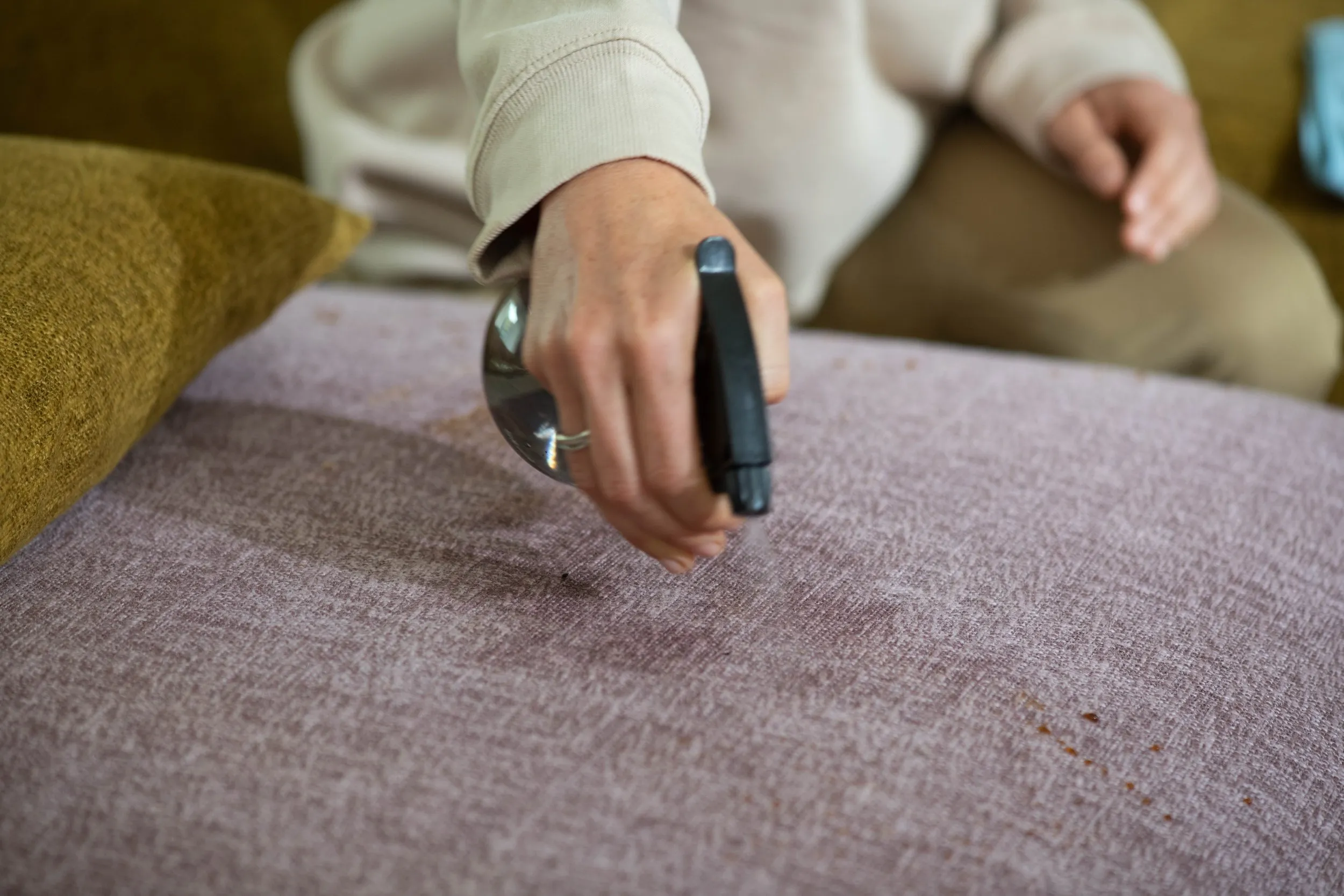
Vinegar offers a natural, efficient, and cost-effective method for cleaning fabric sofas. It helps remove stains, neutralize odors, and refresh the upholstery without using harsh chemicals.
Vinegar Cleaning Solution Recipe
To make a simple cleaning solution:
- Prepare a spray bottle by mixing one part white vinegar with two parts water.
- Add a few drops of mild soap to boost cleaning power.
- Optional: include essential oils, such as lavender or lemon, to leave a fresh, pleasant scent.
This solution is safe for most fabric types but should always be tested on a hidden area first.
Cleaning Process
- Lightly spray the vinegar solution onto the stains or dirty areas.
- Blot gently with a clean microfiber cloth; avoid scrubbing to prevent fiber damage or spreading the stain.
- Allow the sofa to air dry completely to prevent mildew or odor buildup.
Tips to avoid fabric damage:
- Test on an inconspicuous spot before full application.
- Avoid soaking the fabric, as excess moisture can cause shrinking or color fading.
- Use a soft cloth or sponge to maintain the integrity of the fabric fibers.
Using vinegar is a safe, eco-friendly alternative that keeps your sofa fresh, clean, and odor-free.
Danger & Safety Considerations
While cleaning your sofa is important, taking proper precautions ensures safety for both you and your furniture. Ignoring these tips can lead to damage or health issues.
Risk of Over-Wetting the Sofa
Excessive water or cleaning solution can seep deep into the fabric, leading to mold, mildew, and unpleasant odors. Over-wetting may also cause fabric shrinking or weaken the sofa’s structure.Always apply a lightly damp cloth or use the spray solution sparingly.
Using Harsh Chemicals
Strong chemicals, such as bleach or industrial detergents, can ruin fabric fibers, fade colors, and leave harmful residues. Stick to mild, fabric-safe cleaners or natural solutions like vinegar for safe and effective cleaning.
Pet Safety
During cleaning, keep pets away from the sofa and cleaning area. Pets may ingest cleaning solutions or knock over spray bottles, causing accidents or exposure to chemicals.
Allergies and Respiratory Issues
Some cleaning sprays release strong fumes that can trigger allergies or respiratory problems. Always ensure good ventilation, and wear gloves or masks if using chemical-based products to protect your skin and lungs.
Conclusion
Keeping your sofa clean doesn’t have to be complicated. By understanding your fabric type, performing daily maintenance, tackling small stains promptly, and following deep cleaning methods, you can ensure your furniture stays fresh, comfortable, and long-lasting. Using natural solutions like vinegar or safe upholstery cleaners provides an effective and eco-friendly approach. Regular care and attention not only improve the appearance of your sofa but also extend its lifespan, prevent odors, and maintain a hygienic living space. Whether you’re cleaning couches at home, learning how to clean the sofa fabric, or looking for the best way to clean a couch, following these simple methods will keep your furniture looking and feeling like new for years.