


Grout may seem like a small detail in tile installations, but it plays a critical role in the overall strength, appearance, and durability of any tiled surface. It not only fills the gaps between tiles but also helps prevent moisture from seeping beneath the surface, protecting both the tiles and the underlying structure. The effectiveness of grout depends on several key factors its compressive strength, the grout-to-water ratio during mixing, the time required for drying and curing, and its expected lifespan. Each of these elements influences how well the grout will perform over time, whether it’s resisting cracks under heavy foot traffic or maintaining a clean, polished look in kitchens and bathrooms.
1. Compressive Strength of Grout
Definition and Explanation: Compressive strength refers to the ability of grout to withstand heavy loads or pressure without breaking or crumbling. In simple terms, it measures how much weight or stress the grout can handle before it fails. This property is especially important in flooring projects where tiles are constantly exposed to foot traffic, furniture weight, or even outdoor environmental pressure.
Typical Strength Values for Different Grout Types
The compressive strength of grout varies depending on the type and formulation:
- Cementitious Grout (Sanded & Unsanded): Usually ranges between 3,000 and 5,000 psi (20–35 MPa). Suitable for most residential floors and walls.
- Epoxy Grout: Considered the strongest option, with compressive strengths often above 7,000 psi (48+ MPa). Ideal for high-traffic commercial areas, industrial kitchens, and areas exposed to chemicals.
- Urethane or Polymeric Grouts: Typically fall in between, offering strong performance and flexibility, with compressive strengths of around 3,500–5,500 psi (24–38 MPa).
Why Compressive Strength Impacts Performance: High compressive strength ensures grout can resist cracking, crumbling, or wearing down under pressure. In weak or poorly mixed grout, even minor stresses can cause damage, leading to loose tiles, gaps, or water infiltration. Choosing the right grout strength for the project ensures not only durability but also long-term protection of the tiled surface.
2. Grout and Water Ratio
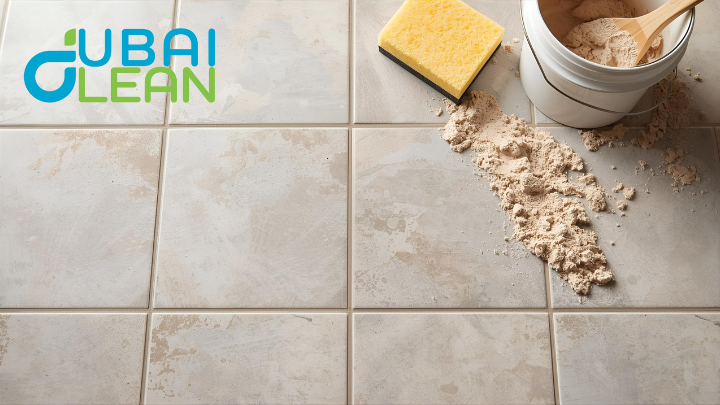
Correct Ratio for Cement-Based Grout: Getting the grout-to-water ratio right is one of the most important steps for achieving strength and durability. For cement-based grout, manufacturers usually recommend a ratio of about 2 parts grout powder to 1 part water (by volume), though the exact amount can vary by brand and product. The goal is to achieve a smooth, peanut-butter-like consistency that is easy to spread into joints but not too runny. Always check the product packaging for precise measurements, as different formulations can have unique requirements.
Effects of Adding Too Much or Too Little Water
- Too much water: Over-diluted grout becomes weak and porous. This reduces compressive strength, causes shrinkage cracks, and makes the grout more likely to absorb stains and water.
- Too little water: Grout that is too dry will be crumbly and difficult to spread into joints.Improper bonding with tiles can result in early cracking or gaps. Finding the balance ensures that the grout sets properly and achieves its designed performance.
Tips for Mixing Grout Properly
- Slaking: After the first mix, let the grout sit (rest) for 5–10 minutes. This allows the chemicals in the mix to fully activate.
- Remixing: Stir the grout again gently before application. Do not add extra water at this stage, as it can weaken the mix.
- Working time: Most grout mixtures have a pot life of 30–45 minutes. Only mix as much as you can apply within this time frame to prevent waste and ensure consistency.
Following these steps helps achieve a durable, long-lasting grout line that resists cracks and damage.
3. How Long Does Grout Need to Dry?
Grout needs adequate time to dry and cure properly to ensure durability and prevent cracking. Cement-based grout is usually ready for light foot traffic within 24–48 hours but continues to gain full strength over up to 28 days. Epoxy grout dries faster, often ready for use within 24 hours, reaching full strength in 3–7 days depending on the product and environmental conditions. Factors like temperature, humidity, and ventilation can affect drying times, so it’s important to allow grout to set fully before heavy use.
Difference Between Drying and Curing
While ‘drying’ and ‘curing’ are often used interchangeably, they are distinct processes. Drying refers to the surface moisture evaporating, which makes grout look and feel firm to the touch. Curing, on the other hand, is the chemical process that allows grout to reach its full strength and durability. While grout may appear dry within a day, it takes several days or even weeks to cure completely.
Cement Grout vs Epoxy Grout (Drying Times)
Grout drying and curing times differ based on the type of grout used. Cement-based grout is usually ready for light foot traffic within 24–48 hours, but it continues to gain full strength over a period of up to 28 days. Epoxy grout dries and hardens more quickly, often ready for light use within 24 hours and achieving full strength in 3–7 days, depending on the brand and conditions. Proper drying and curing are essential to ensure durability and prevent premature cracking or damage.
| Grout Type | Ready for Light Foot Traffic | Full Strength / Curing Time |
| Cement-Based Grout | 24–48 hours | Up to 28 days |
| Epoxy Grout | ~24 hours | 3–7 days (depending on brand & conditions) |
Factors That Affect Drying
Various environmental factors can either accelerate or delay the drying and curing process:
- Temperature: Warm conditions accelerate drying, while cold slows it down. For optimal results, grout should be applied in temperatures ranging from 50°F to 100°F (10°C–38°C).
- Humidity: High humidity levels can trap moisture in the grout, leading to longer drying times. Low humidity can dry grout too quickly, leading to shrinkage cracks.
- Ventilation: Proper airflow helps grout dry evenly. In poorly ventilated areas like bathrooms, drying may take longer.
It is crucial to allow grout sufficient time to dry and cure to avoid cracks, stains, or early deterioration. Rushing this step often leads to long-term maintenance problems.
4. How Long Should Grout Last?
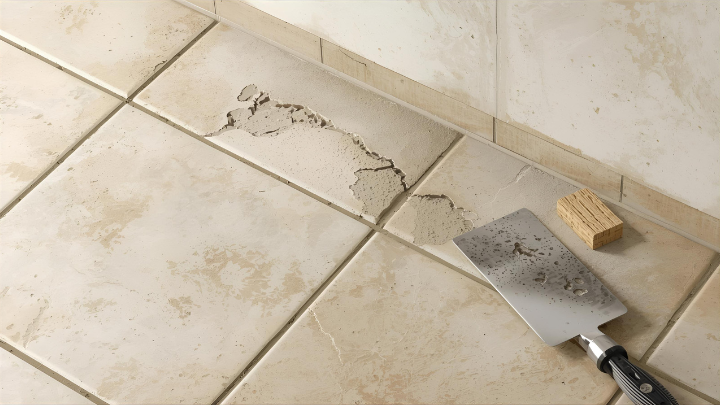
The longevity of grout depends largely on its type and where it is applied. Cement-based grout can last 15–30 years on interior walls when mixed and sealed correctly, but on high-traffic floors, its lifespan is typically shorter, around 8–15 years. Epoxy grout is known for its durability and can last 20–30+ years, even in demanding environments such as kitchens, bathrooms, and commercial spaces.
Outdoor applications generally reduce lifespan due to exposure to weather conditions. Several factors can shorten grout’s durability, including poor mix ratios, moisture exposure from unsealed grout, improper cleaning habits using harsh chemicals, and structural movement such as shifting tiles or heavy loads. Homeowners and professionals should watch for signs that grout needs repair or replacement, such as visible cracks or crumbling, discoloration or stubborn stains, loose tiles or gaps along the grout line, and persistent mold or mildew growth despite regular maintenance. While spot repairs may be possible in minor cases, full re-grouting is often the best long-term solution when these issues are widespread.
5. Preventing Grout Failure
Common Mistakes to Avoid During Mixing and Application: Many grout problems start with errors during installation. Adding too much water, skipping the slaking period, or failing to fill joints completely can weaken the grout. Rushing the drying process, using grout in unsuitable conditions (like high humidity or extreme temperatures), or not cleaning excess grout properly are other mistakes that lead to premature failure. Careful preparation and patience during installation are key to long-lasting results.
Importance of Sealing and Maintenance: Cement-based grout is porous, which means it can absorb water, dirt, and stains over time. Applying a quality grout sealer protects it against moisture and makes cleaning easier. Sealing should typically be done 48–72 hours after installation and reapplied every 1–3 years, depending on usage. Regular cleaning with mild, pH-neutral cleaners also helps maintain grout strength and appearance without causing surface damage.
6. Conclusion
Grout may appear to be a small detail in tile installations, but its quality determines the strength, durability, and overall appearance of tiled surfaces. Understanding its compressive strength, maintaining the correct grout-to-water ratio, allowing proper drying and curing time, and recognizing its lifespan are all essential for long-lasting results.
With the right mixing techniques, routine sealing, and proper maintenance, grout can remain strong and attractive for many years. Whether you’re working on a DIY project or managing a large commercial installation, attention to these details ensures that tiles stay secure and protected.
For homeowners and professionals alike, consulting an expert can be the best way to guarantee a flawless finish and extend the life of your tiled surfaces.