


Grout is the material that fills the gaps between tiles, holding them firmly in place and giving floors and walls a smooth, finished look. Over time, this porous substance easily absorbs dirt, soap scum, and moisture, especially in areas like bathrooms and kitchens. As a result, grout can turn dark, attract mold, and lose its fresh appearance, making even the cleanest tiles look dull and untidy.
Regular grout cleaning is essential not just for maintaining a bright, polished surface but also for protecting your health and hygiene. Dirty grout can harbor bacteria and mold that thrive in damp environments, leading to unpleasant odors and potential allergies. In this guide, we’ll explore how to clean grout, recommend the best grout cleaners, explain deep cleaning techniques, introduce grout cleaning machines, and share maintenance tips to keep your tiles spotless and long-lasting.
1. How to Clean Grout
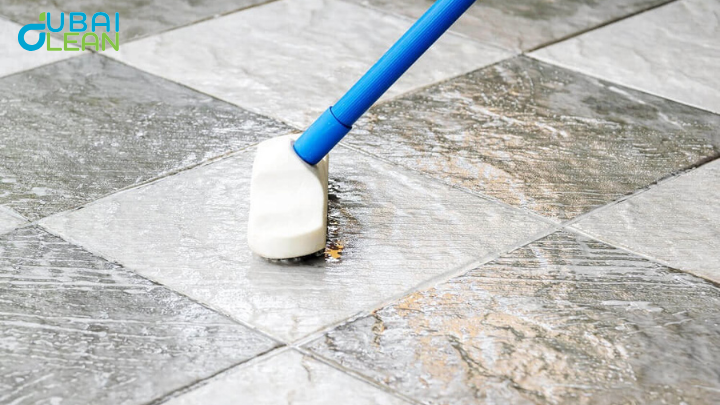
Cleaning grout doesn’t require fancy tools or expensive cleaners; simple household ingredients can do the job beautifully. Start by creating a paste using baking soda and water and apply it along the grout lines. Let it sit for about 10–15 minutes to loosen dirt and grime. Next, spray vinegar or hydrogen peroxide over the paste. You’ll notice a gentle fizzing reaction that helps lift away stubborn stains and kills germs naturally. Once the mixture has worked its magic, use a soft-bristled brush or sponge to scrub the grout lines in circular motions. Be gentle to avoid chipping or scratching the grout.
Natural Ways to Clean Grout
If you prefer eco-friendly cleaning methods, there are several natural options that work wonders on mild stains and soap scum. A simple lemon juice and baking soda paste is great for whitening and freshening up grout, thanks to lemon’s natural acidity and pleasant scent. Similarly, vinegar mixed with warm water can break down soap residue and grime on tiled surfaces without using harsh chemicals.
2. Best Grout Cleaner
When it comes to restoring your tile’s sparkle, choosing the best grout cleaner can make a world of difference. There are many commercial grout cleaning products available that deliver fast, professional-level results without damaging your tiles. Look for options that are non-toxic, eco-friendly, and safe for both ceramic and porcelain surfaces. Many modern formulations are designed as grout whitening solutions, capable of removing years of dirt, grease, and mold in just minutes. Popular choices include oxygen-based cleaners, pH-balanced formulas, and biodegradable options that clean deeply while being gentle on grout lines.
Choosing the Right Cleaner for Different Tile Types
Different tile materials require different cleaning approaches, so picking the right product is crucial. For ceramic and porcelain tiles, most mild grout cleaners or oxygen-based products work effectively without damaging the surface. If your tiles are natural stone such as marble, travertine, or limestone avoid using acidic cleaners like vinegar or lemon juice. These substances can erode the surface and dull the shine over time.
3. Grout Deep Cleaning
Over time, regular cleaning might not be enough to remove deep-seated dirt, black mold, or heavy discoloration that builds up in grout lines. This is when grout deep cleaning becomes essential. Deep cleaning helps eliminate stubborn stains, bacteria, and mold that simple surface scrubbing can’t reach. It’s especially necessary in areas exposed to constant moisture like bathrooms, kitchens, or poolside tiles where grime and mildew tend to thrive. There are several effective methods for restoring grout to its original brightness. Steam cleaning is one of the most popular, as it uses high-temperature steam to break down tough dirt without chemicals.
Steam Cleaning Grout Effectively
Steam cleaning is a safe and eco-friendly way to perform deep grout cleaning without using harsh chemicals. To get started, fill your steam cleaner with water and allow it to heat up fully. Once ready, direct the nozzle along the grout lines and move slowly to let the hot steam loosen dirt and bacteria. The high heat not only removes grime but also kills mold spores and germs, making it a hygienic choice for households with kids or pets.
4. Grout Cleaning Machine
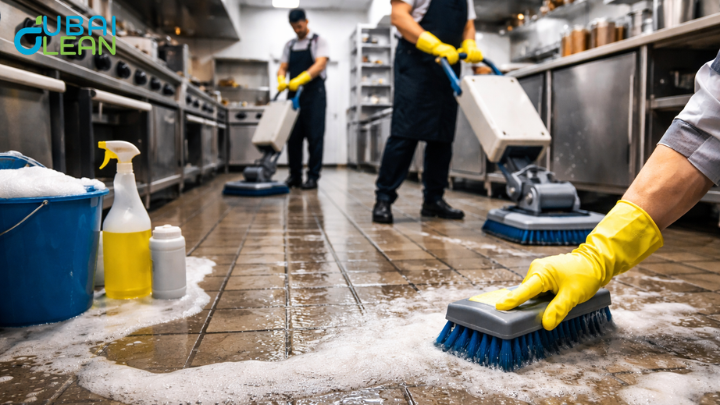
For those who want professional-level results with less effort, investing in a grout cleaning machine can be a game-changer. These machines are specifically designed to deep clean grout lines efficiently and safely. Popular options include steam cleaners, rotary scrubbers, and electric cleaning brushes. Each type offers unique benefits: steam cleaners use hot vapor to lift grime and sanitize surfaces, rotary scrubbers provide powerful mechanical scrubbing for large areas, and electric brushes are great for precision cleaning in tight corners and small rooms. Compared to traditional scrubbing, grout cleaning machines offer clear advantages.
Manual vs Machine Cleaning – Which Is Better?
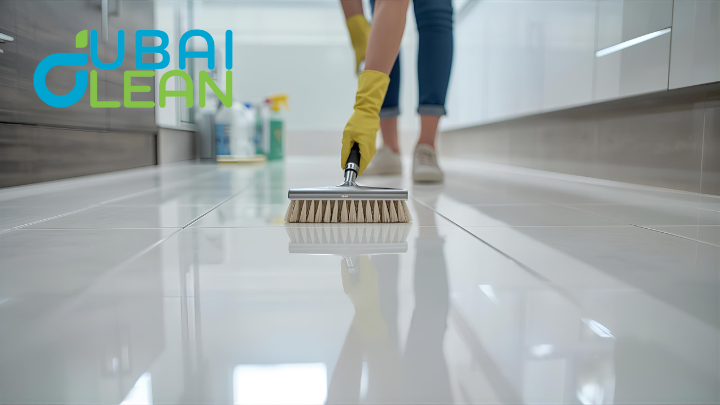
Both manual and machine grout cleaning methods have their place, depending on the level of dirt and the size of the area you’re tackling. Manual cleaning is ideal for small sections or light maintenance tasks, offering more control and precision. It’s also budget-friendly and perfect for quick touch-ups. However, it can be time-consuming and physically tiring, especially when dealing with stubborn stains or mold buildup.
5. Grout Maintenance and Care Tips
Keeping your grout in top condition isn’t just about occasional deep cleaning, it’s about consistent care. Regular grout maintenance helps prevent grime, stains, and mildew from building up, keeping your tiles fresh and hygienic year-round. Because grout is porous, it easily absorbs spills, grease, and moisture, which can lead to discoloration or cracking over time. A proactive approach ensures not only a cleaner look but also prolongs the life of your tiles and grout. Start with simple habits. Wipe spills immediately to stop liquids from seeping into the grout. Use a mild detergent or pH-neutral cleaner once a week to remove light dirt before it becomes embedded.
How to Keep Grout Clean Longer
Maintaining bright, spotless grout for the long term requires small but effective habits. Place mats or rugs near entryways, sinks, and showers to reduce dirt and moisture contact with your tiles. Avoid harsh detergents or bleach-based cleaners, as they can erode grout and cause fading over time. Instead, stick to gentle, non-acidic cleaners or homemade mixtures like baking soda and warm water for weekly upkeep.
6. Danger of Ignoring Grout Cleaning
Neglecting grout cleaning might seem harmless at first, but over time it can lead to serious hygiene and safety issues. One of the biggest risks is mold and bacteria growth. Grout’s porous surface easily traps moisture, making it an ideal breeding ground for harmful microbes. This not only causes dark stains and unpleasant odors but also increases the chances of developing respiratory irritation, allergies, and even infections, especially in children or those with weak immune systems. Another overlooked issue is slippery tiles caused by soap scum and residue buildup, which can make floors hazardous, particularly in bathrooms and kitchens.
Mold and Bacteria Growth
When grout remains damp and dirty, it becomes the perfect environment for mold, mildew, and bacteria to thrive. These microorganisms not only discolor grout but can also release spores that cause unpleasant odors and health concerns. In humid areas like bathrooms, black mold can spread quickly, affecting air quality and triggering respiratory irritation or allergies.
Conclusion
Regular grout cleaning and maintenance play a crucial role in keeping your tiles looking beautiful, hygienic, and long-lasting. By staying consistent with cleaning routines and tackling stains early, you can prevent mold, grime, and discoloration from taking over your tiled surfaces. Clean grout not only enhances the appearance of your home but also contributes to a healthier indoor environment. Using the right cleaning products, tools, and machines ensures deeper, more effective results without damaging your tiles. Simple steps like sealing grout, wiping spills promptly, and performing periodic deep cleans can make all the difference.