



A well-maintained garden fountain is not just a decorative feature, it’s the heart of your outdoor space. Regular garden fountain cleaning is essential to keep your fountain looking beautiful, functioning efficiently, and providing a safe, healthy environment. Without proper care, fountains can quickly accumulate algae, dirt, and debris, which can clog pumps, damage stone surfaces, and make the water look cloudy or uninviting.
Cleaning your fountain regularly ensures crystal-clear water, extends the lifespan of your fountain’s components, and enhances the overall aesthetic appeal of your garden. From the smooth polish of the stone surfaces to the proper functioning of the pump and filter, each part requires attention. By addressing common issues like algae growth, sediment buildup, and pump malfunctions early, you can prevent costly repairs and enjoy a fountain that remains the centerpiece of your outdoor décor for years to come.
1. Fountain Stone Cleaning
Regular fountain stone cleaning is essential to maintain the beauty and longevity of your garden fountain. Dirt, algae, and mineral deposits can accumulate over time, causing stains and discoloration. Gentle scrubbing with soft brushes and eco-friendly cleaning solutions helps remove grime without damaging the stone. Cleaning every 2–3 months prevents buildup, protects the stone’s surface, and keeps your fountain looking fresh and inviting year-round. Proper stone care ensures your fountain remains a stunning focal point in your garden
Why Stone Cleaning is Essential
The stone surfaces of your fountain are constantly exposed to water, sunlight, and environmental debris. Over time, dirt, algae, and mineral deposits can cause discoloration and unsightly stains, diminishing the fountain’s natural beauty. Regular stone cleaning not only restores the original appearance but also protects the integrity of the material, preventing cracks or surface erosion. Maintaining clean stone surfaces ensures that your fountain continues to be a striking feature in your garden.
Best Methods for Stone Cleaning
Effective stone cleaning requires a gentle touch to avoid damaging the surface. Use soft brushes or non-abrasive cloths to scrub away dirt and algae. Eco-friendly cleaning solutions are highly recommended, as they remove grime without harming plants, pets, or the fountain’s stone. Avoid harsh chemicals or acidic cleaners, which can erode the stone and shorten its lifespan. For stubborn stains, a mixture of mild soap and water or specialized stone-safe products works best
2. Fountain Surface Polishing
Regular fountain surface polishing keeps your garden fountain looking shiny and elegant. It helps protect the surface from weathering, mineral deposits, and dullness caused by water and environmental debris. Using soft cloths or gentle brushes with natural or chemical polishes ensures the material stays safe and undamaged. Polishing regularly enhances both the fountain’s beauty and durability, making it a lasting focal point in your outdoor space.
Importance of Polishing Your Fountain
Polishing your fountain regularly helps enhance its shine and maintain a visually appealing look. Over time, exposure to sunlight, water, and environmental debris can dull surfaces and cause mineral buildup. Regular polishing not only keeps the fountain sparkling but also protects it from weathering, ensuring the surface remains durable and attractive.
Polishing Techniques
To polish your fountain safely, use soft cloths or gentle brushes to avoid scratching delicate surfaces. You can apply natural or chemical polishes, but make sure they are suitable for the material of your fountain. Always follow the product instructions and rinse the surfaces afterward to prevent residue buildup. Consistent polishing keeps your fountain looking elegant and well-maintained year-round.
3. Fountain Filter Cleaning
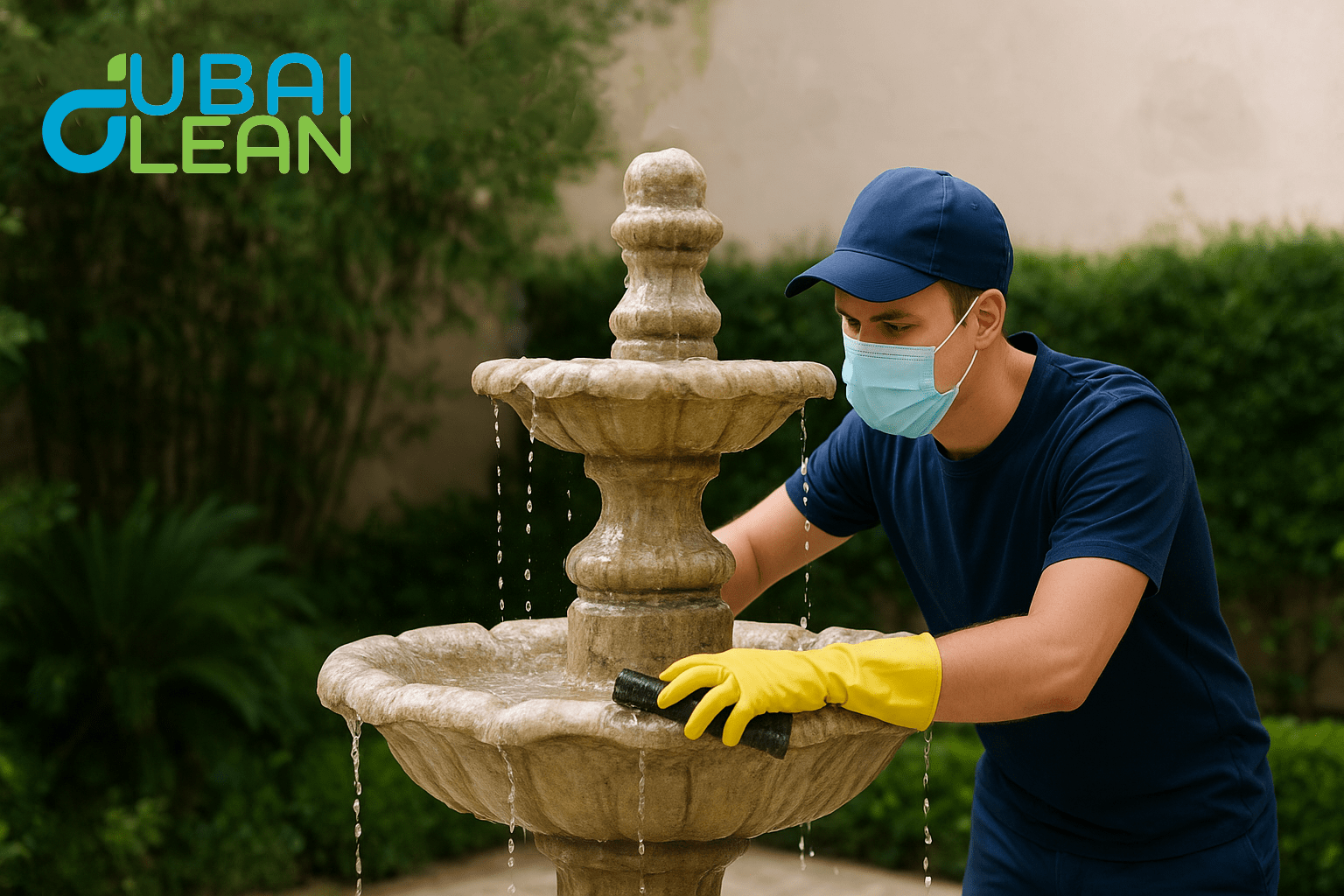
Regular fountain filter cleaning is essential to maintain smooth water flow and prevent clogs that can damage your pump. A clean filter also helps reduce algae and dirt buildup, keeping the water clear and healthy. To clean, remove the filter and rinse it under running water, using a soft brush to remove fine debris. Consistent maintenance ensures efficient fountain operation, extends the life of your pump, and keeps your garden fountain looking fresh and inviting year-round.
Why Filter Cleaning Matters
Regular fountain filter cleaning is essential to ensure smooth water flow and prevent clogs that can damage the pump. A clean filter also reduces algae growth and dirt accumulation, keeping the water clear and healthy. Neglecting filter maintenance can lead to poor circulation, cloudy water, and increased wear on fountain components.
Step-by-Step Filter Cleaning
To clean your fountain filter, remove it carefully and rinse under running water to remove loose debris. Use a soft or mild brush to clean fine particles trapped inside, ensuring the filter is completely free of buildup. Reinstall the filter properly and check that the water flows smoothly. Regular filter cleaning helps your fountain operate efficiently and prolongs its lifespan.
4. Fountain Pump Maintenance
Regular fountain pump maintenance is essential to keep your garden fountain running smoothly and prevent unexpected breakdowns. A clean and well-functioning pump ensures proper water circulation, which helps reduce algae, dirt buildup, and cloudy water. Check the pump frequently for debris or blockages and remove anything that may restrict water flow. If required, lightly lubricate the moving parts and test the pump to confirm it’s working efficiently. Seasonal inspections and prompt replacement of worn-out parts can significantly extend the pump’s lifespan. Consistent pump care ensures your fountain stays fresh, clean, and visually appealing year-round.
Importance of Pump Maintenance
Regular fountain pump maintenance is crucial to prevent breakdowns and extend the life of your pump. A well-maintained pump ensures efficient water circulation, keeping your fountain clean and operating smoothly. Neglecting pump care can lead to clogs, reduced performance, or costly replacements.
How to Maintain Your Fountain Pump
To maintain your fountain pump, check for debris and blockages regularly, which can impede water flow. Lubricate moving parts if recommended by the manufacturer, and always test pump functionality to ensure smooth operation. Proper maintenance keeps your fountain running efficiently and prolongs the pump’s lifespan.
5. Maintenance & Tips
Regular maintenance and care are essential to keep your garden fountain clean, efficient, and visually appealing. Always keep the water topped up to prevent algae growth and protect the pump from running dry. Use eco-friendly treatments to maintain water quality without harming plants or pets. Check the fountain regularly for cracks, leaks, or mineral buildup to prevent costly repairs. During extreme weather, covering the fountain protects its surfaces and pump. Following these simple tips ensures your fountain stays beautiful and functional year-round.
Keep Water Clean and Topped Up
Always keep your fountain water clean and filled to the proper level. This prevents algae growth, reduces bacteria, and protects the pump from running dry or getting damaged. Regularly topping up the water ensures smooth operation, clear water, and a healthier environment for your fountain. Consistent attention keeps the fountain looking fresh and inviting.
Use Eco-Friendly Treatments
Eco-friendly water treatments maintain water clarity and hygiene without using harsh chemicals. They help control algae, bacteria, and mineral buildup naturally, keeping the fountain water balanced and safe. These treatments are gentle on stone, metal, and plant surroundings, making them ideal for regular maintenance.
Check for Cracks, Leaks & Buildup
Inspect your fountain regularly for cracks, leaks, or mineral deposits, especially in stone and metal surfaces. Early detection allows you to fix small problems before they become costly repairs. Cleaning and removing buildup also prevents water stagnation, protects the pump, and keeps your fountain operating efficiently year-round.
6.Danger & Safety Considerations
Safety is crucial when cleaning or maintaining your garden fountain. Always unplug the fountain before working on it to avoid electrical hazards. Wet surfaces around the fountain can be slippery, so take care to prevent falls. Avoid harsh chemicals that may damage stone, metal, or harm pets and plants. Handle the pump and other mechanical parts carefully to prevent injury. Following these precautions ensures a safe cleaning process while protecting both you and your fountain.
Electrical Hazards
Always unplug the fountain before cleaning or performing any maintenance. Water and electricity together can be extremely dangerous and may cause serious shocks or short circuits. Even small amounts of water near electrical components can lead to damage or injury, so taking this precaution is essential for your safety and the longevity of your fountain.
Slippery Surfaces
The area around fountains can quickly become wet and slippery, increasing the risk of slips and falls. Wear non-slip shoes and exercise caution while cleaning or refilling water. Keeping the surrounding area dry when possible can prevent accidents and ensure safer maintenance routines.
Avoid Harsh Chemicals
Strong chemicals may damage stone, metal, or decorative surfaces and can harm pets, plants, or even the environment. Always choose eco-friendly or mild cleaning solutions to keep your fountain safe and clean. Proper chemical use prevents discoloration, corrosion, or buildup that can shorten your fountain’s lifespan.
Conclusion
Regular garden fountain cleaning is essential for keeping your fountain beautiful, functional, and long-lasting. Cleaning stone surfaces, polishing, maintaining filters, and caring for the pump all play a key role in smooth operation and water clarity. Prioritizing safety and following consistent maintenance schedules ensures your fountain remains a striking feature in your garden. A combination of simple DIY cleaning and occasional professional help can keep your fountain in top condition year-round. By staying proactive, you protect your investment and enjoy a clean, inviting water feature for years to come.