


Clean water is essential for health and hygiene, making regular water tank maintenance a must for every home or building. Over time, tanks can accumulate dirt, debris, and harmful microorganisms that compromise water quality. Keeping your water tanks clean ensures safe drinking water, prevents unpleasant odors, and protects your plumbing system from blockages and damage.
Neglecting tank cleaning can lead to the growth of bacteria, algae, and sediment, which pose serious health risks. Water tanks come in different types underground, overhead, and water heater tanks each requiring specific cleaning and disinfection methods. This guide will walk you through effective cleaning practices for all tank types, along with maintenance tips to ensure fresh and safe water year-round.
1. Underground Water Tank Cleaning
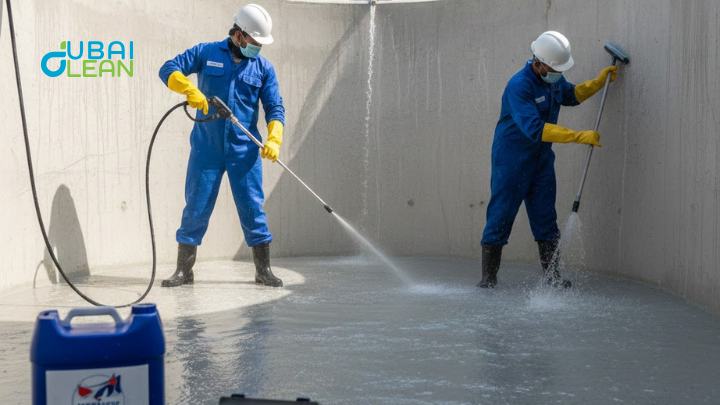
Underground water tanks are essential for storing water, but over time they can accumulate sediments, debris, and harmful bacteria. Regular cleaning is vital to prevent contamination and ensure safe water for drinking, cooking, and daily household use. The cleaning process involves draining the tank, removing sludge, scrubbing the walls and floor, rinsing thoroughly, and disinfecting with safe chemicals. Proper maintenance, such as installing filters and checking for leaks, helps keep the tank in good condition and prolongs its lifespan. A clean underground tank not only protects health but also ensures efficient water flow throughout your home.
Why Clean Underground Tanks?
Underground water tanks are prone to collecting sediments, debris, and bacteria over time. Regular cleaning prevents contamination, ensuring that the water remains safe for drinking, cooking, and other household uses. A well-maintained tank protects your family’s health and keeps plumbing systems functioning efficiently.
Step-by-Step Cleaning Process
Cleaning an underground water tank involves several important steps. First, drain all the water completely, then remove any sludge or debris settled at the bottom. Scrub the walls and floor thoroughly to get rid of dirt and bacteria, followed by rinsing the tank several times to flush out residue. Finally, disinfect the tank using safe chemicals to ensure the water remains clean and hygienic for daily use.
- Drain the tank completely – Start by emptying all water to access the tank interior.
- Remove sludge and sediments – Use a scoop or brush to get rid of dirt and sludge at the bottom.
- Scrub tank walls and floor – Thorough scrubbing removes stubborn dirt and microbial buildup.
- Rinse thoroughly – Wash the tank multiple times to ensure all debris is flushed out.
- Use disinfectants safely – Apply a safe disinfectant like chlorine, following proper instructions to kill bacteria without leaving harmful residues.
2. Overhead Water Tank Cleaning
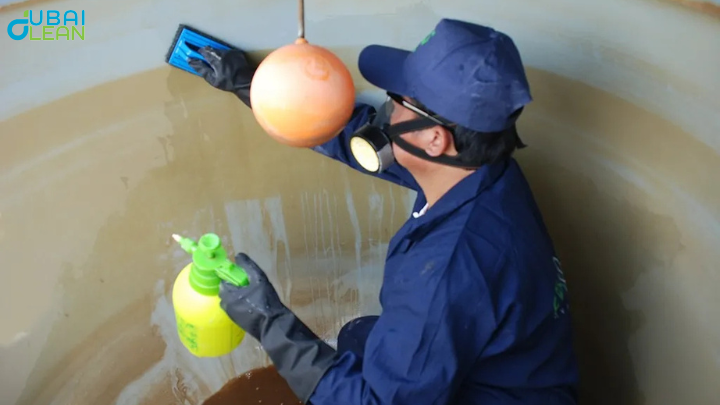
Overhead water tanks are prone to collecting dust, debris, and harmful microorganisms over time, which can affect water quality and household safety. Regular cleaning prevents waterborne diseases and ensures smooth water flow and consistent pressure throughout the home. The process involves draining the tank, scrubbing the walls and floor, flushing out debris, and disinfecting with safe chemicals. Covering the tank and checking inlet and outlet pipes regularly further helps maintain clean and safe water. Periodic professional cleaning ensures long-term hygiene and efficient water storage.
Importance of Cleaning Overhead Tanks
Overhead water tanks can accumulate dust, debris, and harmful microorganisms over time. Regular cleaning prevents waterborne diseases and ensures that the water remains safe for drinking and household use. A clean tank also helps maintain smooth water flow and consistent water pressure throughout your home.
Cleaning Procedure
Start by draining the tank completely to access the interior. Perform manual cleaning and scrubbing of the walls and floor to remove dirt and microbial buildup. After scrubbing, flush the tank thoroughly and disinfect it using safe chemicals. Finally, refill the tank with fresh water and ensure it is ready for use.
3. Water Heater Tank Cleaning
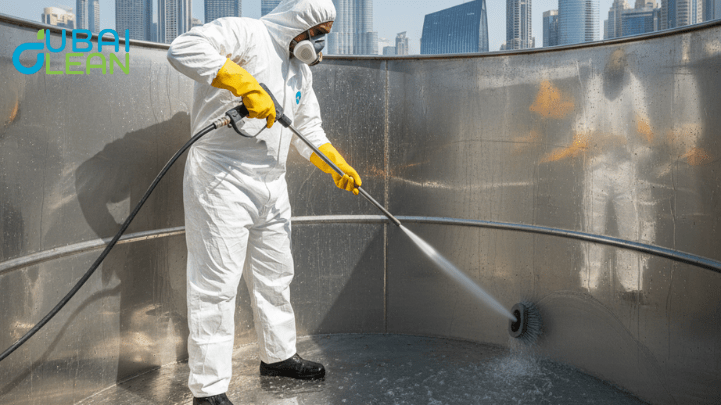
Water heater tanks can accumulate sediment and mineral deposits over time, which can reduce heating efficiency and cause corrosion. Regular cleaning removes these deposits, ensuring consistent hot water supply and prolonging the tank’s lifespan. The process involves turning off the heater, draining and flushing the tank, using descaling solutions if necessary, and refilling it for proper operation. Monitoring water temperature, pressure, and checking for leaks helps maintain efficiency and safety. Annual maintenance keeps your water heater working reliably and prevents costly repairs.
Cleaning Steps
Cleaning a water heater tank involves a few simple but important steps. First, turn off the heater and drain the tank completely to remove all water. Flush out any sediment and mineral buildup, using vinegar or a descaling solution if necessary. After cleaning, refill the tank and test the heater to ensure it is working properly and providing consistent hot water.
- Turn off the water heater and drain the tank completely.
- Flush the tank to remove accumulated sediments and mineral deposits.
- Use vinegar or a descaling solution if there is significant buildup.
- Scrub the interior if necessary to remove stubborn deposits.
- Refill the tank with water and test the heater for proper temperature and performance.
Maintenance Tips
To keep your water heater tank in good condition, schedule annual cleaning to prevent sediment buildup. Regularly monitor water temperature and pressure, and inspect the tank for leaks, rust, or corrosion. Periodic professional servicing can also help maintain efficiency, prolong the tank’s lifespan, and ensure safe operation.
- Clean the water heater tank at least once a year to prevent sediment buildup.
- Monitor water temperature and pressure regularly to ensure safe operation.
- Inspect the tank for leaks, rust, or corrosion and address issues promptly.
- Consider professional servicing periodically for long-term efficiency and safety.
4. Storage Tank Disinfection
Disinfecting storage tanks is vital to keep water safe from harmful bacteria, viruses, and algae. Regular disinfection ensures clean water for drinking, cooking, and daily household use while preventing foul odors and cloudiness. Common methods include chlorine-based solutions, as well as advanced treatments like ozone or UV systems. Following proper contact times and safety precautions is essential for effective disinfection. Maintaining a routine schedule keeps your storage tank hygienic and protects the health of everyone using the water.
Importance of Disinfecting Storage Tanks
Disinfecting storage tanks is essential to eliminate harmful bacteria, viruses, and algae that can contaminate your water supply. Regular disinfection ensures that the water remains safe for drinking, cooking, and other household uses. It also helps prevent foul odors, cloudiness, and potential health hazards caused by microbial growth.
Disinfection Methods
Storage tanks can be disinfected using chlorine-based solutions, which are effective and widely recommended for household use. Advanced methods like ozone or UV treatment are also available, offering chemical-free disinfection for more sensitive systems. It’s important to follow proper contact times and safety precautions to ensure all harmful microorganisms are eliminated and the water remains safe for consumption.
- Chlorine-based solutions: Widely used for effective and safe disinfection of tanks.
- Ozone or UV treatment: Advanced methods for killing microorganisms without chemicals.
- Contact time and safety precautions: Follow recommended contact times and safety instructions to ensure proper disinfection and avoid harmful residues.
5. Common Mistakes to Avoid During Water Tank Cleaning
When cleaning water tanks, skipping regular maintenance can lead to sediment buildup, bacteria growth, and contaminated water. Overusing disinfectants may leave harmful residues and damage the tank lining, while ignoring tank covers and filters allows dust, debris, and insects to enter. Failing to follow safety precautions or avoiding professional help can leave stubborn deposits behind, and skipping inspections may result in leaks or rust. Avoiding these mistakes ensures clean, safe water and prolongs the lifespan of your tanks.
Skipping Regular Cleaning
Neglecting scheduled cleaning can cause sediments, debris, and harmful bacteria to accumulate, resulting in contaminated water and potential health risks. Over time, this buildup can clog pipes, reduce water flow, and create foul odors.
Using Excessive Chemicals
Overusing disinfectants or cleaning agents may leave harmful residues and can damage the tank’s lining, reducing its lifespan. It’s important to follow recommended dosages and safety instructions for effective cleaning without causing harm.
Ignoring Tank Covers and Filters
Leaving water tanks uncovered or failing to maintain filters allows dust, debris, and insects to enter, compromising water quality and safety. Properly covering tanks and regularly cleaning or replacing filters can prevent contamination and keep water clean.
Conclusion
Regular cleaning and disinfection of all types of water tanks underground, overhead, and water heater tanks are essential for maintaining safe, clean, and hygienic water. Neglecting tank maintenance can lead to sediment buildup, bacterial growth, and waterborne illnesses, affecting both health and household appliances. Combining DIY cleaning with professional services ensures thorough removal of debris and harmful microorganisms while maintaining the tank’s structural integrity. Establishing a routine cleaning and disinfection schedule for every tank type not only protects your family’s health but also prolongs the lifespan of your tanks, improves water flow, and keeps your water supply reliable year-round.