

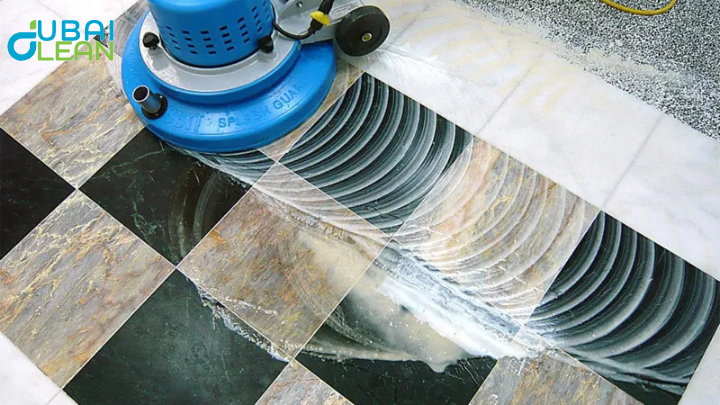
Slips and falls might seem like minor accidents, but they can have serious consequences for both individuals and businesses. Every year, thousands of people suffer injuries simply because they weren’t warned about a wet or freshly cleaned floor. That’s where floor cleaning signs come in those simple yellow signs you often see in supermarkets, offices, hospitals, or restaurants.
Beyond being a workplace requirement, they’re a symbol of care, professionalism, and safety. They protect people from harm, save businesses from costly lawsuits, and reassure customers that their wellbeing comes first.
1. Why Floor Cleaning Signs Matter
Floor cleaning signs go beyond being simple cautionary props they are essential safety tools for every environment. These signs help prevent avoidable accidents, support compliance with health and safety laws, and build trust among employees, customers, and visitors. For businesses offering floor cleaning services in Dubai, using proper signage highlights responsibility and professionalism in both public and private spaces. Without them, even a small hazard can lead to serious consequences for individuals and organizations.
Preventing Slips and Falls
Slippery floors are a leading cause of injuries in workplaces and public areas. Signs provide immediate visual alerts that help people tread carefully. This reduces the risk of falls and makes environments safer for everyone.
Legal and Compliance Requirements
Health and safety laws require proper signage whenever cleaning makes floors unsafe. Ignoring this can result in legal penalties, lawsuits, or damaged reputations. By using signs consistently, businesses protect both people and themselves.
Building Trust with Customers
Customers feel safer when hazards are clearly marked around them. A simple sign shows care and concern for their wellbeing. This small act of responsibility builds lasting trust and confidence.

2. Types of Floor Cleaning Signs
Not all environments need the same kind of floor cleaning signs. The type of sign depends on the space, level of traffic, and visibility required. Some areas may only need a basic foldable sign, while others benefit from more advanced displays. Choosing the right type ensures the message is clear to everyone.
Traditional A-Frame Signs
Foldable and bright, A-frame signs are durable and easy to place anywhere. They are commonly used in offices and small businesses. Their portability makes them highly practical.
Cone-Shaped Warning Signs
Tall and eye-catching, cone-shaped signs stand out in large areas. They provide 360-degree visibility, making them ideal for airports and malls. Their sturdy design also prevents tipping.
Hanging Floor Cleaning Signs
Hanging signs are useful in narrow corridors and tight spaces. They warn without blocking the pathway. This makes them perfect for doors and confined areas.
Electronic and LED Signs
Modern LED signs offer dynamic warnings with bright displays. They work well in dimly lit environments or busy places. Their visibility ensures no one misses the hazard alert.
3. Design Features of Effective Floor Cleaning Signs
The success of a floor cleaning sign depends largely on its design and visibility. It must grab attention instantly, even in a crowded space. Symbols, colors, and text should make the message clear to everyone. A well-designed sign communicates safety across all settings.
Bright Colors and Contrast
Yellow remains the most popular color because it stands out easily. The contrast of bold black text makes the warning unmissable. This combination ensures maximum visibility.
Pictograms and Symbols
Icons such as a slipping figure communicate danger instantly. They help people who may not understand the written language. Simple symbols make signs universally effective.
Multilingual Messages
Workplaces often have people from diverse backgrounds. Adding multiple languages ensures clarity for all. This avoids confusion and increases safety.
Size and Visibility
Signs must be large enough to be noticed but not obstructive. Proper height makes them visible from a distance. Balanced sizing prevents them from becoming a hazard themselves.
4. Where and When to Use Floor Cleaning Signs
The timing and placement of a sign are just as important as the sign itself. A poorly positioned warning may go unnoticed and fail to protect people. Signs should always be placed where traffic is highest and hazards are most likely. Using them consistently shows awareness and care.
During Cleaning Operations
Signs should be displayed the moment cleaning starts. They must remain in place until the floor is fully dry. This ensures no one walks into danger unknowingly.
After Spills
Unexpected spills can create immediate hazards. Quick placement of signs keeps people safe while cleaning takes place. Acting fast prevents unnecessary injuries.
In High-Traffic Areas
Busy entrances and corridors are the riskiest places. Placing signs here ensures they are seen by the most people. This protects both visitors and employees effectively.
Weather-Related Situations
Rain and snow often make indoor floors slippery. Businesses should place signs at entrances during these times. This simple act prevents countless accidents.
5. Best Practices for Using Floor Cleaning Signs
Using floor cleaning signs properly makes them far more effective. Placement, condition, and staff awareness all determine how well they work. Businesses must develop habits of inspection, training, and storage. These practices ensure signs remain reliable and ready at all times.
Strategic Placement
Signs must be positioned where people can see them immediately. Corners, entryways, and pathways are key spots. Proper placement saves accidents before they happen.
Regular Inspection
Signs fade, crack, or break over time. Regular checks ensure they are always clear and safe to use. Replacing damaged signs keeps warnings effective.
Staff Training
Employees should know when and where to use signs. Training ensures they act quickly and correctly during cleaning. A trained team reduces risks dramatically.
Storing Signs Properly
Signs should be stored in accessible, organized spaces. This helps staff deploy them without delay. Proper storage also extends the life of the signs.
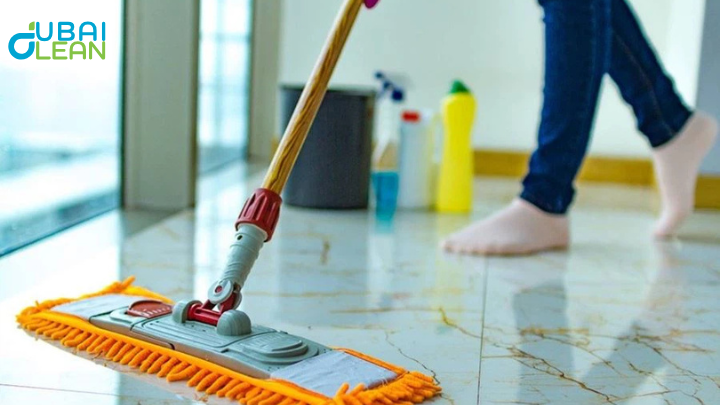
6. Floor Cleaning Signs in Different Industries
Each industry faces unique safety challenges when it comes to floors. Signs need to adapt to match the specific risks of their environment. Hotels, hospitals, schools, and stores all require tailored strategies. This adaptability improves safety and builds trust across industries.
Hospitality
Hotels and restaurants use signs to protect guests during cleaning. They reassure visitors that hygiene and safety are taken seriously. This also prevents reputational harm from accidents.
Healthcare
Hospitals and clinics have strict cleanliness standards. Signs help maintain safety while floors are sanitized. They protect both patients and staff in sensitive environments.
Retail
Shops and malls see heavy daily foot traffic. Floor signs guide shoppers safely around hazards. This keeps both customers and businesses protected.
Education
Schools and universities have crowded hallways. Signs help keep students safe during spills and cleaning. They maintain order and prevent avoidable accidents.
Conclusion
Floor cleaning near me and signs are small but powerful tools in maintaining safety and professionalism. They not only reduce accidents but also show responsibility and care for both staff and customers. By using the right type of sign, in the right place, at the right time, businesses can protect themselves legally and morally.
In every industry, from hospitality to healthcare, these signs act as silent guardians of safety. Proper design, placement, and maintenance ensure they remain effective. When businesses prioritize safety with clear warnings, they earn both compliance and trust.