


Keeping your floors clean isn’t just about looks-it’s vital for maintaining a healthy and safe home. Dust, dirt, and spills can accumulate over time, causing damage to surfaces and even affecting indoor air quality. Regular cleaning helps maintain the longevity of your floors and prevents costly repairs.
Different floor types, such as hardwood, marble, and tiles, each require specific cleaning methods. Using the wrong products or techniques can lead to scratches, stains, or discoloration. Understanding the best way to care for each type ensures your floors remain beautiful, shiny, and durable.
In this guide, we’ll explore the most effective cleaning methods for hardwood floors, marble floors, and tiles, including natural solutions like baking soda and modern techniques such as steam cleaning. You’ll also learn important safety tips and maintenance strategies to protect your floors and your family.
1. Best Way to Clean Hardwood Floors
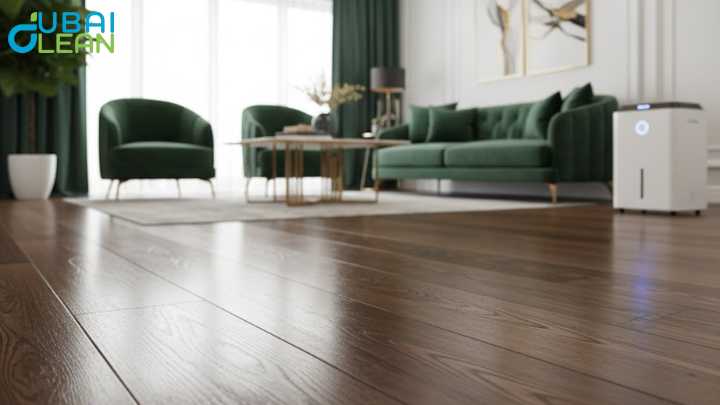
The best way to clean hardwood floors is to combine regular dry cleaning with occasional gentle wet cleaning. Daily sweeping with a soft-bristle broom or vacuuming using a hardwood-safe attachment removes dust and debris that can scratch the surface. For deeper cleaning, use a damp mop with a mild wood cleaner, ensuring minimal water to prevent warping or swelling. Always mop in the direction of the wood grain for a smooth finish. To maintain shine, polish the floors every few months with a wood-safe product. Adding floor mats in high-traffic areas also helps protect hardwood and extend its lifespan.
Dry Cleaning Hardwood Floors
Dry cleaning is the first and most crucial step for hardwood floors.Frequent sweeping or vacuuming helps remove dust, dirt, and tiny debris that could scratch your floors over time. Use a soft-bristle broom or a hardwood-safe vacuum to prevent marks. This simple step keeps your floors clean without risking damage.
Wet Cleaning Hardwood Floors
For a thorough clean, gently mop with a damp cloth using a mild wood floor cleaner. Avoid soaking the floor, as excess water can seep into the wood and cause warping or swelling. Always wring out the mop thoroughly and move in the direction of the wood grain for the best results.
Polishing and Maintaining Hardwood Floors
Polishing helps restore the shine and luster of hardwood floors. Use a high-quality floor polish or wax according to manufacturer instructions. For most homes, polishing once every 2–3 months is enough, but high-traffic areas may require more frequent care. Consistent maintenance helps preserve the wood and brings out its natural beauty.
2. Best Way to Clean Marble Floors
Marble floors are luxurious and elegant, but they are also delicate. Using the correct cleaning techniques ensures they remain shiny and free from damage. Proper care prevents stains, scratches, and dullness, keeping your marble looking pristine.
Daily Cleaning of Marble Floors
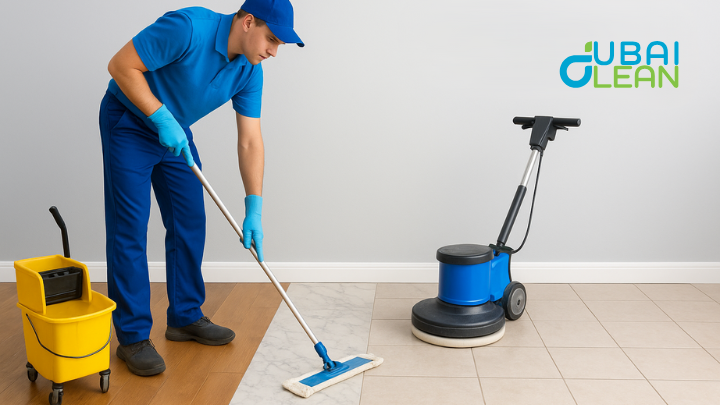
Daily maintenance is essential for marble floors.Gently wipe away dust and light debris using a soft cloth or microfiber mop. Always choose a pH-neutral cleaner to prevent etching or dulling the marble surface. Harsh or acidic cleaners can permanently damage the stone, so stick to gentle products.
Deep Cleaning Marble Floors
For deep cleaning, you can choose between homemade solutions or commercial marble cleaners. A mild mixture of water and gentle soap works well, but make sure it’s non-abrasive. Focus on stains carefully: blot spills immediately and avoid scrubbing too hard, as this can scratch or dull the marble’s surface.
Polishing and Preserving Marble Floors
Polishing enhances the natural shine of marble and extends its life. Use a soft cloth and a marble-safe polish, following the manufacturer’s instructions.Stay away from harsh chemicals and abrasive tools, as they can wear down and damage the surface. Regular polishing keeps marble looking elegant while maintaining its durability.
3. Clean Floor Tiles with Baking Soda
Cleaning floor tiles with baking soda is an easy and natural way to remove dirt, stains, and grime without harsh chemicals. Baking soda’s mild abrasive action helps remove stubborn dirt while remaining safe for most tile surfaces. To clean, mix baking soda with water to form a paste, apply it to the tiles and grout, and gently scrub with a soft brush or sponge. Afterward, rinse the area well with clean water to remove all leftover residue. Finally, dry the tiles with a cloth or mop to prevent water spots and keep your floors sparkling. Regular use of baking soda helps maintain clean, fresh, and bright tiles naturally.
Why Baking Soda Works
Baking soda has gentle abrasive properties that help lift dirt and stubborn stains without scratching the tiles. It’s completely non-toxic, making it safe to use in homes with children and pets. Regular use keeps tiles clean, fresh, and naturally bright.
Step-by-Step Tile Cleaning with Baking Soda
Start by preparing a paste with baking soda and a small amount of waterSpread the paste over tiles and grout lines, then carefully scrub with a soft brush or sponge. Focus on grout lines where dirt tends to accumulate, but avoid excessive force that could damage the tile surface.
Rinsing and Finishing
Once scrubbing is complete, rinse the floor thoroughly with clean water to remove any baking soda residue. Dry the tiles with a cloth or mop to avoid streaks and water spots. Regular cleaning with baking soda keeps your tile floors sparkling and hygienic.
4. Steam Clean Marble Floor
Steam cleaning is a modern, efficient way to keep marble floors clean while reducing the need for harsh chemicals. The high-temperature steam kills germs and bacteria, ensuring a hygienic surface, and reduces the need for harsh cleaning agents that could damage marble.
Benefits of Steam Cleaning
Steam cleaning not only sanitizes the floor but also lifts dirt and grime from tiny crevices and grout lines. It’s an eco-friendly solution that maintains the natural beauty of marble while protecting the surface from chemical damage.
Step-by-Step Steam Cleaning
Start by setting up your steam cleaner as per the manufacturer’s guidelines. Glide the steam cleaner slowly over the marble, keeping the nozzle at a safe distance to prevent overheating or discoloration. Always test a small, hidden area first to make sure the floor is safe.
Aftercare
After steam cleaning, wipe the marble dry with a soft cloth to remove any leftover moisture. Polishing the floor afterward helps restore its natural shine. For most homes, steam cleaning marble floors once every 2–4 weeks is sufficient to maintain cleanliness and hygiene without overexposing the surface to moisture.
5. Safety, Maintenance & Tips
Proper safety and maintenance practices not only protect your floors but also ensure a healthy and accident-free home. Following simple precautions can extend the life of your flooring and keep it looking pristine.
Safety Tips
Always wear gloves and protective gear when handling cleaning chemicals to prevent skin irritation. Ensure proper ventilation while cleaning to avoid inhaling fumes, especially when using commercial cleaners or steam equipment.
Maintenance Tips
Regular sweeping or vacuuming removes dust and debris before it scratches surfaces. Schedule mopping routinely with mild cleaners and avoid harsh chemicals or excessive water, particularly on hardwood and marble floors, to prevent warping and staining.
Extra Tips for Longevity
Place floor mats or area rugs in high-traffic areas to reduce wear and tear. Wipe up spills right away to avoid stains and prevent water damage. These small, consistent habits help maintain floor beauty and extend their lifespan.
6. Danger & Risks of Improper Floor Cleaning
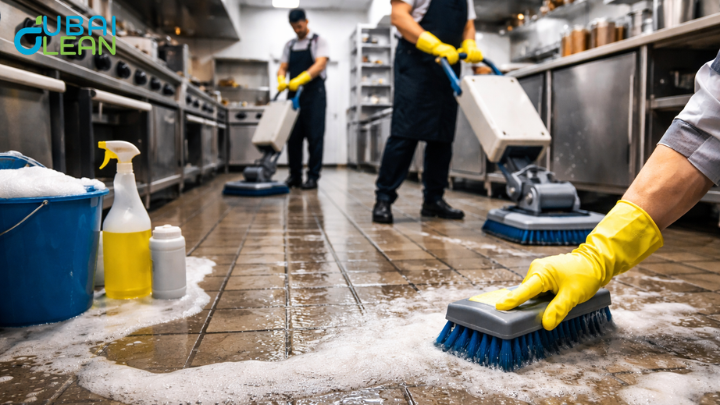
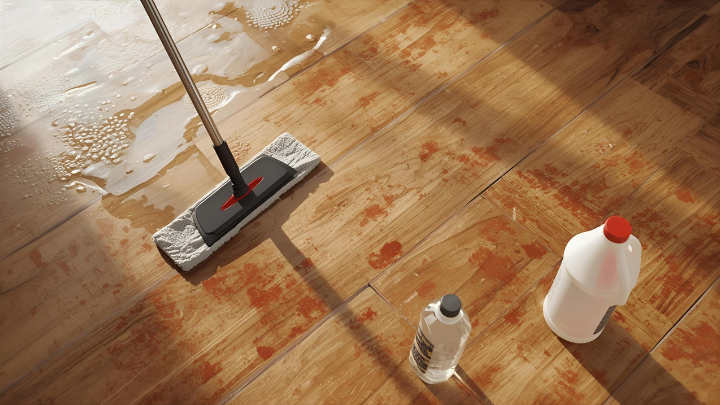
Improper floor cleaning can cause serious damage and safety hazards if not done correctly. Using too much water on hardwood may lead to warping, while harsh chemicals can etch or stain marble surfaces. Over-scrubbing tiles often weakens grout, causing cracks and discoloration. Leftover residue from cleaners may also create slippery surfaces, increasing the risk of slips and falls. Additionally, handling strong cleaning agents without protection can lead to skin irritation or breathing issues. Taking proper precautions ensures both safety and the long life of your floors.
Hardwood Floor Risks
Using too much water or harsh cleaners on hardwood floors can cause warping, swelling, or permanent water damage. Abrasive tools or improper vacuum attachments can scratch and dull the wood, reducing its natural beauty over time.
Marble Floor Risks
Marble is very delicate and can be easily damaged by acidic or abrasive cleaners. Using vinegar, lemon, or strong chemicals can etch the surface, leaving dull spots or permanent marks. If spills are not cleaned promptly, they can leave stains and discolor the marble.
Tile Cleaning Risks
Over-scrubbing or using harsh cleaners on tiles can damage grout lines, leading to cracks or discoloration. Residual cleaner on tiles can make surfaces slippery, raising the risk of slips and falls.
General Risks
Improper handling of cleaning chemicals can cause skin irritation, respiratory issues, or other health hazards. Wet floors during cleaning also pose slip and fall risks, so caution and proper protective measures are essential
Conclusion
Maintaining clean floors is key to a healthy and attractive home. Hardwood floors benefit from regular sweeping, gentle damp mopping, and occasional polishing, while marble floors require pH-neutral cleaners, careful stain removal, and periodic polishing to preserve their shine. Tiles can be effectively cleaned with natural solutions like baking soda, and steam cleaning is an excellent way to sanitize marble without harsh chemicals. By following proper techniques, using safe cleaning methods, and practicing routine maintenance, you can protect your floors, enhance their longevity, and enjoy surfaces that look spotless and polished for years to come.