


Flooding is a common risk for homes in Dubai due to heavy rains, poor drainage, and occasional storms that can overwhelm infrastructure. When floodwaters enter homes, they can lead to serious damage, fostering mold growth and creating electrical hazards. Mold thrives in damp conditions, posing significant health risks such as respiratory issues and allergies. Additionally, floodwaters can damage electrical systems, increasing the risk of electrocution or fires. Addressing these issues quickly is vital for safety and health. Swift action can prevent long-term damage, reduce health risks, and ensure the home remains safe for occupants. Immediate steps to mitigate flood damage, remove mold, and inspect electrical systems are crucial to protect both your property and your well-being.
1. The Impact of Flood Damage on Dubai Homes
Flood damage in Dubai homes: occurs when heavy rainfall or poor drainage systems lead to water entering residential properties. Despite Dubai’s typically dry climate, intense monsoon rains can overwhelm infrastructure, causing flash floods that damage structures, weaken foundations, and create a breeding ground for mold. This water intrusion poses serious risks to both the home and the health of its occupants.
The primary causes of flooding: in Dubai are outdated or insufficient drainage systems that cannot handle heavy rain. Areas with poor infrastructure are particularly vulnerable, as water quickly accumulates and seeps into homes. As the city continues to urbanize, improving these systems becomes crucial to reducing the risk of future flooding and protecting residential areas from damage.
Flood damage has immediate: and long-term effects on homeowners. Beyond the physical damage to property, it creates risks like electrical malfunctions, which can lead to fires or electrocution, and mold growth, which poses health hazards. These issues highlight the importance of quick repairs to ensure both the safety of the residents and the structural integrity of the home.
2. Mold Growth After Flooding: Health Risks and How to Prevent It
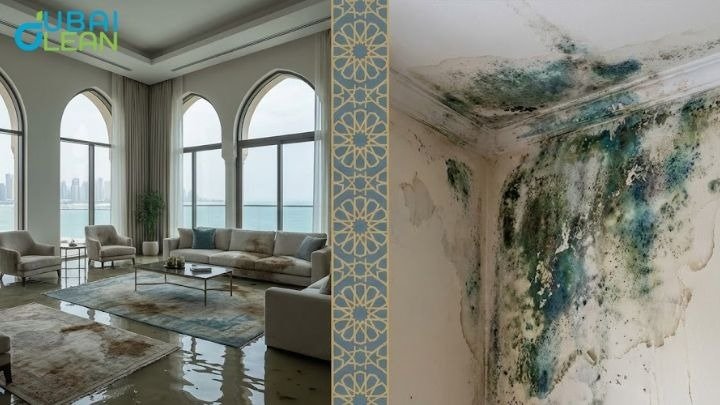
Mold thrives in damp conditions, making flood-damaged homes a perfect environment for it to grow. Exposure to mold can lead to serious health issues, particularly affecting the respiratory system and exacerbating allergies. Prompt action to prevent and remove mold is essential to protect both the structure of your home and the health of its occupants.
Why Mold Grows After Flooding
Floodwaters create a moist environment ideal for mold to thrive, especially in areas with high humidity. After a flood, any materials that retain moisture, such as wood, drywall, or carpet, become breeding grounds for mold. Mold spores can spread rapidly, affecting indoor air quality and leading to potential health problems if not addressed promptly.
Health Risks of Mold Exposure
Mold exposure can lead to a range of health issues, particularly respiratory problems like asthma, chronic coughing, and nasal congestion. People with allergies or weakened immune systems are especially vulnerable to mold’s effects. Long-term exposure can even cause more severe health conditions, such as fungal infections or neurological issues, making it crucial to act quickly to eliminate mold after flooding.
3. Electrical Hazards in Flooded Homes
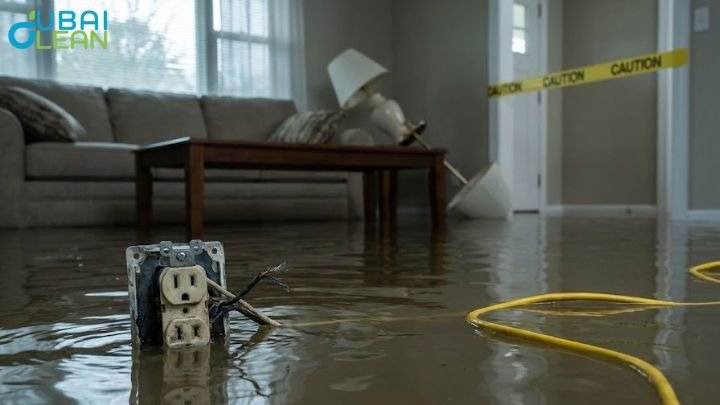
Floods pose significant electrical hazards due to water’s conductive properties, which can cause severe damage to electrical systems. When water seeps into homes, it can come into contact with electrical wiring, outlets, and appliances, creating an immediate risk of electrocution or fire. This makes it crucial to inspect and address electrical systems quickly after flooding. Immediate action and professional intervention are necessary to prevent life-threatening risks and ensure the safety of residents.
| Topic | Description |
| Why Floods Create Electrical Hazards | Water is highly conductive, which means when it comes in contact with electrical systems, it can cause short circuits, electrical fires, or electrocution. Water infiltration into electrical wiring increases the risk of dangerous malfunctions. |
| Identifying Electrical Damage | Check for visible damage to outlets, exposed wiring, and circuit breakers. Any signs of water contact or burn marks indicate damage. Unusual smells, like burning or a musty odor, are also red flags. |
| Steps to Safely Address Electrical Risks | Turn off the power at the main breaker before inspecting any electrical components. Avoid touching waterlogged systems or appliances. Only hire a certified electrician to assess and repair the damage. |
| Professional Intervention | To safely restore electrical systems after flooding, always hire a licensed electrician. They will ensure that all electrical components are thoroughly inspected and repaired, reducing the risk of fire or electrocution. |
4. How to Protect Your Home from Future Flood Risks
Protecting your home from future flood risks requires proactive measures to reduce damage and ensure the safety of your property and occupants. Floodproofing involves elevating key systems, using water-resistant materials, and improving drainage to minimize water intrusion. Additionally, securing flood insurance can help cover repair costs for damage caused by floods, including mold and electrical hazards. Taking these steps now can significantly reduce future risks and protect both your property and finances.
- Elevate electrical systems above potential flood levels to prevent water damage to wiring and appliances.
- Install water-resistant materials such as flood-resistant drywall and flooring to minimize long-term damage.
- Ensure proper drainage by clearing gutters regularly, maintaining stormwater drains, and considering flood barriers for doors and windows.
- Install sump pumps in basements or lower levels to reduce water buildup during heavy rains.
- Seal foundation cracks to prevent water from entering through gaps in the structure.
- Invest in flood insurance to cover potential flood damage, including the costs of mold remediation and electrical repairs.
- Regularly inspect your home’s flood risk based on local conditions and update flood protection measures as necessary.
5. When to Call a Professional
After flooding, it’s essential to call in certified mold remediation professionals who can safely remove mold from your home. These experts use specialized equipment to eliminate mold and prevent further growth, addressing both visible and hidden mold sources. In Dubai, look for licensed specialists who adhere to industry standards. The cost depends on the extent of the damage but is necessary to protect your home’s structure and your health.
Mold Remediation Services in Dubai
After flooding, it’s essential to call in certified mold remediation professionals who can safely remove mold from your home. These experts use specialized equipment to eliminate mold and prevent further growth, addressing both visible and hidden mold sources. In Dubai, look for licensed specialists who adhere to industry standards. The cost depends on the extent of the damage but is necessary to protect your home’s structure and your health.
Electrical Inspection and Repair Services
Flooding can damage electrical systems, creating risks of electrocution and fires. A licensed electrician should be hired to inspect and repair any water-damaged wiring, outlets, or circuit breakers. Professionals ensure that your electrical system is safe and fully functional. While repair costs vary, hiring a qualified electrician is crucial to prevent dangerous hazards and ensure the safety of your home.
Conclusion
Flood damage in Dubai homes can lead to serious issues like mold growth and electrical hazards, both of which pose risks to health and safety. Mold thrives in damp environments created by floodwaters, leading to respiratory problems and other long-term health effects, while water exposure to electrical systems can result in fires or electrocution. It’s crucial to act quickly by drying out affected areas and seeking professional help for mold remediation and electrical repairs. Proactively floodproofing your home and securing the right insurance can further protect your property from future risks and ensure peace of mind.