


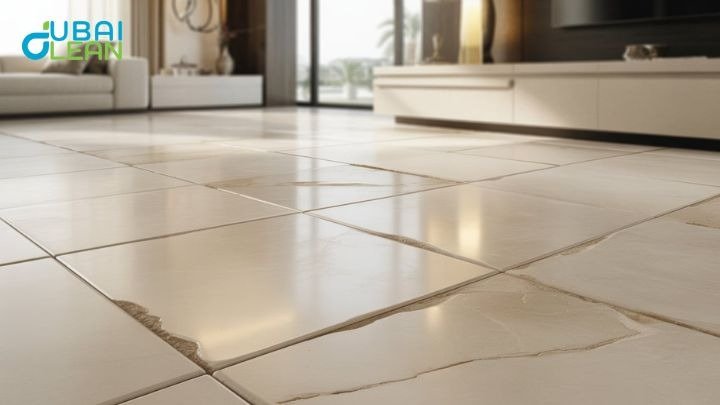
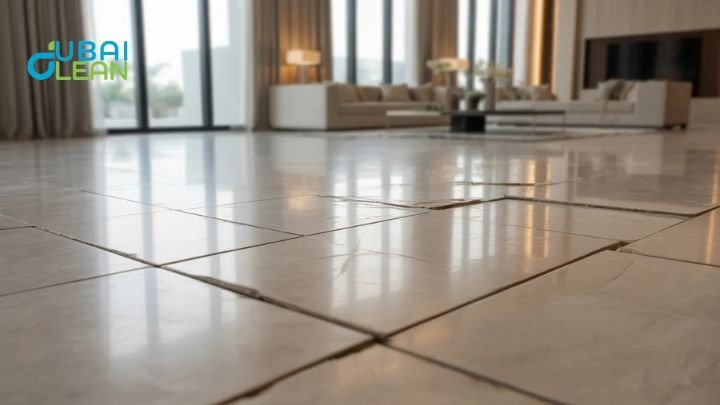
When it comes to elegant flooring in Dubai homes and offices, perfectly aligned tile lines can make all the difference. Yet, uneven tile lines are a common frustration for property owners. Whether it’s your luxury villa in Downtown Dubai or an office in Business Bay, misaligned tiles can ruin the aesthetic, reduce property value, and even indicate underlying construction issues. In this article, we’ll explore why uneven tile lines appear, the common mistakes that lead to them, and how Dubai property owners can address and prevent this problem for long-lasting, flawless floors.
1. Why Uneven Tile Lines Happen in Dubai Floors
Uneven tile lines are a common issue in Dubai properties, and they can occur for a variety of reasons. Understanding the root causes is essential for homeowners and business owners who want durable, visually appealing floors. From installation mistakes to environmental factors, several underlying problems can lead to misaligned tiles and grout lines that disrupt the smooth flow of your flooring.
Poor Installation Techniques
One of the main reasons for uneven tile lines is substandard installation. Even minor errors during the laying process can create significant misalignment over large areas. Many tilers may skip essential steps, such as leveling the subfloor properly or using spacers consistently, which can result in tiles being laid crookedly. Additionally, rushing the installation without regular checks for alignment often leads to grout lines that appear uneven and tiles that settle at different heights. Over time, these issues become more noticeable and can compromise the overall appearance of the floor.
Irregularities in the Subfloor
Another major factor contributing to uneven tile lines is an inconsistent subfloor. In Dubai’s buildings, the concrete base or screed may not always be perfectly level or fully compacted, and this can cause tiles to shift after installation. Areas with slight dips or high spots create uneven surfaces, making it difficult for tiles to stay perfectly aligned. Moisture problems in the subfloor can also weaken the adhesive bond, causing tiles to move or settle irregularly. Without a properly prepared subfloor, even the highest quality tiles cannot achieve the smooth, uniform look that property owners expect.
Variations in Tile Size and Quality
Even when installation and subfloor preparation are done correctly, uneven tile lines can still occur due to variations in tile size or quality. Tiles from different manufacturing batches may have slight differences in dimensions, thickness, or edge straightness. Over a large floor area, these minor variations can accumulate, making grout lines appear inconsistent. In decorative or patterned tiling, this problem becomes even more noticeable, disrupting the intended design and giving the impression of a poorly executed installation.
2. Causes of Uneven Tile Lines in Dubai Floors
Uneven tile lines can be frustrating, especially when you expect a flawless, elegant finish in your Dubai home or office. Several factors contribute to this problem, ranging from installation errors to environmental conditions. By understanding the main causes, property owners can take proactive measures to ensure long-lasting and visually appealing flooring.
Improper Installation Practices
One of the most common causes of uneven tile lines is poor installation techniques. When tiles are laid without proper leveling tools or attention to detail, even a small misalignment can become more pronounced over time. Inexperienced tilers may skip crucial steps, such as checking the floor’s level regularly or using spacers consistently, which can result in crooked grout lines and uneven surfaces. These mistakes not only affect the visual appeal of the floor but can also lead to durability issues if the tiles shift or loosen later.
Subfloor Irregularities
The condition of the subfloor plays a vital role in achieving perfectly aligned tile lines. In Dubai, subfloors may have slight unevenness due to construction methods, settling, or inadequate surface preparation. If the concrete base or screed is not properly leveled, tiles can sit at different heights, causing visible gaps and misaligned lines. Additionally, moisture accumulation or weak spots in the subfloor can reduce adhesion, leading to further movement of the tiles after installation.
Inconsistent Tile Sizes or Quality
Even when installation is done correctly, variations in tile size or quality can create uneven grout lines. Tiles from different batches may have slight differences in dimensions or edge straightness, which can disrupt alignment over a large area. This issue is especially noticeable with patterned or large-format tiles, where even minor discrepancies can distort the intended design. Ensuring uniform tile quality and sourcing from the same batch helps minimize this problem and maintains a flawless floor appearance.
3. Risks and Consequences of Uneven Tile Lines
Uneven tile lines may seem like a minor cosmetic issue at first, but they can lead to several long-term problems in your Dubai home or office. Beyond affecting the aesthetic appeal, misaligned tiles can create safety hazards, structural concerns, and maintenance challenges. Understanding these risks helps property owners take timely action to protect both their investment and well-being.
- Trip and Fall Hazards: Raised edges or uneven surfaces increase the risk of accidents, especially for children, elderly residents, or visitors in busy office spaces.
- Water Seepage and Damage: Gaps in grout or misaligned tiles allow water to penetrate beneath the flooring, potentially causing mold growth, subfloor damage, and weakening the adhesive bond.
- Reduced Property Value: Poorly aligned tiles can make even high-end properties look neglected or cheaply finished, negatively impacting resale or rental value.
- Frequent Repairs and Maintenance: Uneven tile lines often require repeated interventions, including grout repair or tile replacement, which increases maintenance costs over time.
- Compromised Structural Integrity: In severe cases, persistent misalignment may indicate subfloor or foundation issues that, if left unaddressed, could lead to more significant structural problems.
- Aesthetic Concerns: Crooked or inconsistent grout lines disrupt the flow of the flooring design, making interiors look less polished and undermining the overall visual appeal.
4. Common Mistakes When Trying DIY Tile Line Repairs
Many homeowners in Dubai are tempted to fix uneven tile lines themselves, thinking it will save time and money. However, DIY methods often fall short because they fail to address the root causes of misalignment. Without the right tools, materials, and expertise, quick fixes can lead to further damage, wasted resources, and even more noticeable tile problems over time.
| Common DIY Attempts | Why They Fail |
| Using extra grout to fill gaps | Doesn’t fix the tile alignment; grout may crack |
| Hammering tiles down | Can damage the tile or subfloor |
| Applying self-leveling compounds without expertise | May create uneven surfaces if mixed or applied incorrectly |
Professional intervention ensures that tiles are realigned without causing additional damage or creating new issues.
5. How Professionals Solve Uneven Tile Lines
When it comes to fixing uneven tile lines in Dubai floors, professional tilers bring expertise, tools, and techniques that guarantee long-lasting results. Unlike DIY attempts, experts address the underlying causes of misalignment and ensure floors remain safe, durable, and visually appealing.
Thorough Inspection and Assessment
The first step professionals take is a comprehensive inspection of the flooring. They assess the subfloor, check tile alignment, and identify any structural or adhesive issues that may have caused the problem. This detailed evaluation allows them to pinpoint exactly which tiles need adjustment and whether subfloor repairs are required. By identifying the root cause, professionals prevent recurring issues and ensure that any corrective work delivers lasting results.
Precise Tile Removal and Realignment
Once the assessment is complete, professionals carefully remove misaligned tiles without damaging surrounding areas. Using specialized tools and leveling systems, they realign the tiles to create consistent, straight grout lines. This process requires skill and patience, as even minor misplacements can affect the overall appearance. By following meticulous techniques, experts restore the floor’s uniform look while maintaining the integrity of the tiles.
Quality Materials and Proper Finishing
Finally, professionals use high-quality adhesives, grout, and sealants suitable for Dubai’s climate. Proper materials ensure strong adhesion and resistance to movement, moisture, and temperature fluctuations. After realignment, grout lines are sealed and polished to protect against dirt, water penetration, and wear. This combination of precise installation and premium materials guarantees floors that not only look flawless but also stand the test of time.
Conclusion
Uneven tile lines in Dubai floors are more than just a visual flaw; they can indicate underlying installation or subfloor issues, create safety hazards, and increase maintenance costs. From poor installation practices to subfloor irregularities and inconsistent tile quality, understanding the root causes is essential for property owners who want durable and visually appealing flooring. While DIY attempts may seem convenient, they often fail to address the core problem, making professional intervention the best solution. Experienced tilers use precise techniques, quality materials, and careful inspection to realign tiles, ensuring long-lasting, flawless results.