


Clean and reliable water storage is one of the most pressing challenges faced by households, businesses, and communities today. Traditional storage options like steel and plastic tanks often struggle with issues such as rust, leaks, bacterial growth, and short lifespans. These problems not only increase maintenance costs but can also compromise the safety of the water your family or business relies on every single day.
That’s where fiberglass water tanks step in as a modern, long-lasting solution. Built with advanced materials, they’re designed to withstand harsh environments, keep your water clean, and give you the confidence that your storage is secure.
1. What is a Fiberglass Water Tank?
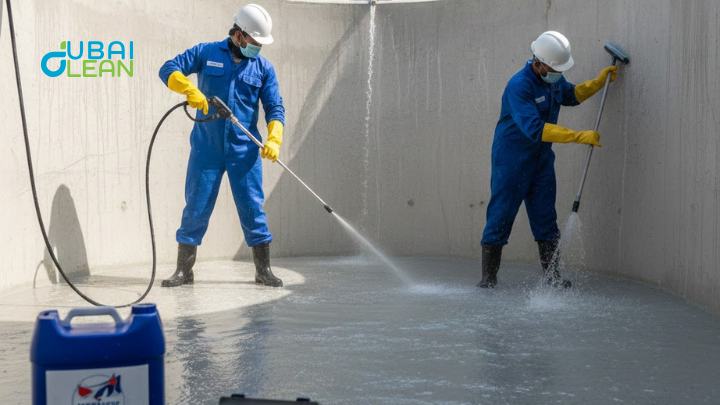
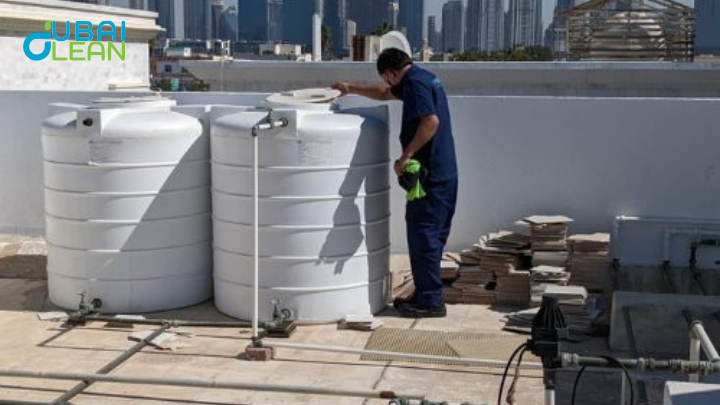
A fiberglass water tank is built from FRP (Fiberglass Reinforced Plastic), making it strong, durable, and resistant to corrosion. Unlike steel tanks that rust or plastic tanks that weaken under sunlight, fiberglass tanks ensure long-lasting water protection. To maintain hygiene and water quality, regular cleaning is vital, and professional water tank cleaning services in Dubai help keep your tank safe, bacteria-free, and efficient for everyday use.
How is it constructed?
The construction process begins with layers of fine glass fibers, which are woven or chopped into mats. These fibers are then combined with a strong resin to form FRP. Once cured, the result is a lightweight yet incredibly tough structure that resists cracking, rusting, and environmental wear. The tank body is molded into cylindrical, rectangular, or custom shapes to suit different storage needs.
Why FRP matters
The FRP material is what sets fiberglass tanks apart. It is:
- Non-corrosive, ensuring water purity over time.
- Lightweight, making installation easier and faster.
- Weather-resistant, withstanding extreme heat, cold, and UV exposure.
- Long-lasting, often lasting decades with minimal maintenance.
Built for confidence
Choosing a fiberglass water tank isn’t just a practical decision it’s a reassurance. With their advanced design and reliable performance, these tanks give families and businesses the confidence that their water will stay safe, clean, and available when it matters most.
2. Why Choose Fiberglass Water Tanks Over Other Options?
When it comes to water storage, the material you choose can make all the difference. Fiberglass water tanks stand out as a smarter, more reliable option compared to steel or plastic alternatives. Here’s why:
Durability & Strength
Fiberglass tanks are built to last. Unlike steel tanks that rust or plastic tanks that weaken under prolonged sunlight, fiberglass is resistant to corrosion, rust, and extreme weather conditions. Whether exposed to heavy rains, scorching heat, or freezing temperatures, these tanks remain strong and intact.s.
Hygiene & Safety
Water safety is non-negotiable, and fiberglass tanks are designed with this in mind. The material is non-toxic and food-grade safe, making it ideal for storing drinking water without fear of contamination. Smooth interior surfaces also make the tanks easy to clean and maintain, reducing the risk of bacterial growth and ensuring your water stays pure and fresh.
Cost-Effectiveness
While the initial cost of a fiberglass tank may be higher than some alternatives, the investment pays off in the long run. Thanks to their longer lifespan and minimal maintenance needs, you’ll save money by avoiding frequent repairs or replacements. Additionally, the energy-efficient manufacturing process of fiberglass tanks contributes to cost savings while supporting sustainable practices.
Eco-Friendly Advantage
Fiberglass water tanks are not only practical but also environmentally responsible. The materials used are sustainable and have a lower environmental impact compared to traditional metal or plastic tanks.
3. Different Types of Fiberglass Water Tanks
Fiberglass water tanks come in a variety of designs to suit different storage needs. Whether you’re looking for something simple for your home or a large-scale solution for industry, there’s an option that fits perfectly.
Above-Ground Fiberglass Tanks
These tanks are the most common choice for residential, agricultural, and commercial use. Installed above the surface, they are easy to access, inspect, and maintain. Their lightweight design makes installation faster, while their strength ensures long-term durability against harsh sunlight, rain, and wind.
Underground Fiberglass Tanks
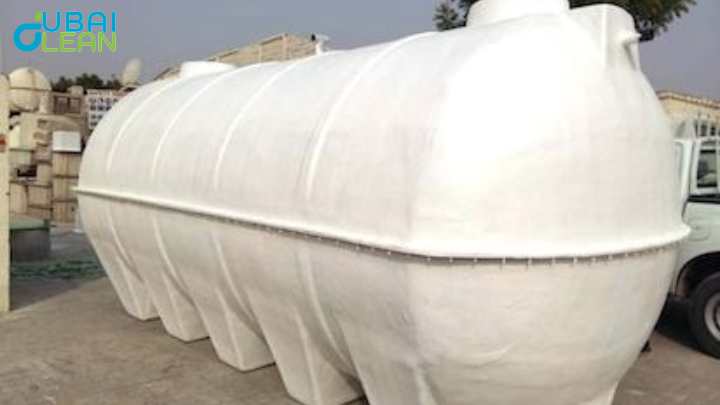
When space is limited or aesthetics are a priority, underground fiberglass tanks are the ideal solution. They are installed below the ground, keeping your property neat and uncluttered. These tanks are especially popular for urban homes, commercial buildings, and firefighting reserves, offering large storage capacity without taking up visible space. Plus, their corrosion resistance makes them perfect for long-term underground use.
Custom-Built Fiberglass Tanks
For industries and specialized needs, fiberglass tanks can be custom-designed to meet exact requirements. From hotels and hospitals to factories and farms, manufacturers can tailor the tank’s size, shape, and features for maximum efficiency. This flexibility ensures that whether it’s a small household tank or a massive industrial reservoir, there’s always a fiberglass solution available.
4. Applications of Fiberglass Water Tanks
Fiberglass water tanks are versatile and adaptable, making them suitable for a wide range of uses. From homes to large industries, they provide dependable water storage that meets different demands.
Residential Water Storage
For households, fiberglass tanks offer a safe and hygienic way to store drinking water. Their resistance to rust and contamination ensures that families always have access to clean water for cooking, cleaning, and daily use. With options in various sizes, they can serve both small homes and larger properties.
Commercial & Industrial Usage
In businesses such as factories, hotels, hospitals, and office complexes, reliable water supply is essential. Fiberglass tanks provide large storage capacities and durability to meet high-demand needs. Their resistance to chemicals also makes them ideal for industrial processes and cooling systems, ensuring smooth operations without interruptions.
Agricultural and Irrigation Systems
For farmers, water is the backbone of productivity. Fiberglass tanks are widely used for storing irrigation water, fertilizers, and even rainwater harvesting systems. Their durability in outdoor environments makes them perfect for farms, ensuring crops and livestock always have a steady supply.
Emergency Water Storage
In times of crisis, such as firefighting, droughts, or natural disasters, fiberglass tanks play a vital role. Their large capacities and long shelf-life make them a reliable backup during emergencies, giving communities peace of mind knowing water will be available when it’s needed most.
5. Maintenance Tips for Longer Tank Life
One of the biggest advantages of fiberglass water tanks is their low-maintenance design. Still, a little care goes a long way in ensuring your tank serves you reliably for decades. Here are some simple tips to keep it in excellent condition:
Regular Cleaning Schedule
Over time, sediments and debris can collect at the bottom of the tank. To maintain water quality, it’s important to clean the tank at least once or twice a year. This prevents bacterial growth and keeps stored water fresh and safe for use.
Checking for Cracks and Leaks
Although fiberglass is known for its strength, it’s always smart to inspect the tank’s surface regularly. Look out for small cracks, leaks, or any unusual wear. Catching these issues early ensures minor problems don’t turn into costly repairs.
Professional Inspection Recommendations
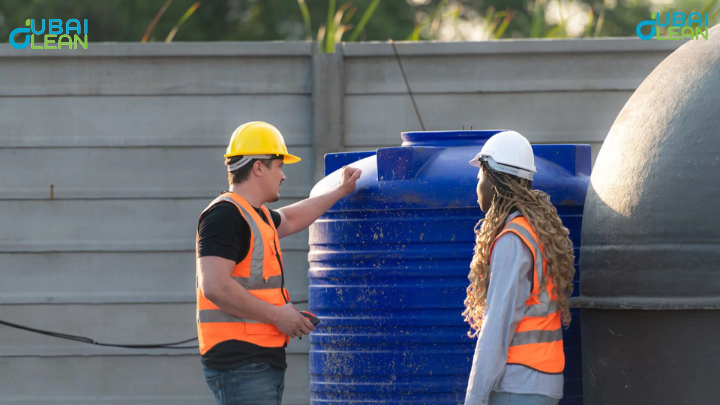
For added peace of mind, consider having your tank professionally inspected every few years. Experts can detect structural weaknesses, ensure fittings are secure, and recommend preventive measures that extend the tank’s lifespan.
6. Things to Consider Before Buying a Fiberglass Water Tank
Investing in a fiberglass water tank is a smart decision, but choosing the right one requires a little planning. Here are some important factors to keep in mind before making your purchase:
Capacity Requirements
Start by assessing how much water you need to store. A small household may only require a few thousand liters, while farms or factories might need tanks with significantly larger capacities.
Installation Location
Think about where the tank will be placed. Above-ground tanks are easier to access and maintain, while underground tanks are ideal for saving space and keeping your property uncluttered. Consider soil type, available space, and accessibility before deciding on placement.
Budget and Warranty Options
While fiberglass tanks may cost more upfront than plastic ones, their long lifespan and low maintenance make them a cost-effective investment. Always check for warranty coverage, as a solid warranty gives you peace of mind and reflects the manufacturer’s confidence in their product.
Conclusion
Fiberglass water tanks offer a dependable solution for safe and long-lasting water storage. Their durability, resistance to corrosion, and easy maintenance make them a smarter choice compared to traditional steel or plastic tanks. From residential use to industrial and agricultural needs, they deliver consistent performance. Choosing fiberglass means securing clean water with less worry and more convenience.
Beyond practicality, fiberglass tanks provide lasting value and peace of mind. With their eco-friendly design and proven reliability, they’re an investment in both your present and future. Invest in a fiberglass water tank today because your family’s health and peace of mind are priceless.