


Fiberglass water tanks are a popular choice for storing clean water, thanks to their lightweight design, durability, and resistance to corrosion. Unlike traditional metal or concrete tanks, fiberglass tanks are less prone to rust and chemical reactions, making them ideal for long-term water storage. Whether used in homes, commercial buildings, or industrial settings, these tanks provide a reliable solution for maintaining a consistent supply of water.
Regular cleaning of fiberglass tanks is essential to ensure the water remains safe and free from harmful bacteria, algae, and sediment buildup. Proper maintenance not only protects your health but also extends the lifespan of the tank, prevents unpleasant odors, and ensures a better-tasting water supply. By keeping your fiberglass tank clean, you safeguard your water quality while avoiding costly repairs or replacements in the long run.
1. How to Clean a Fiberglass Tank
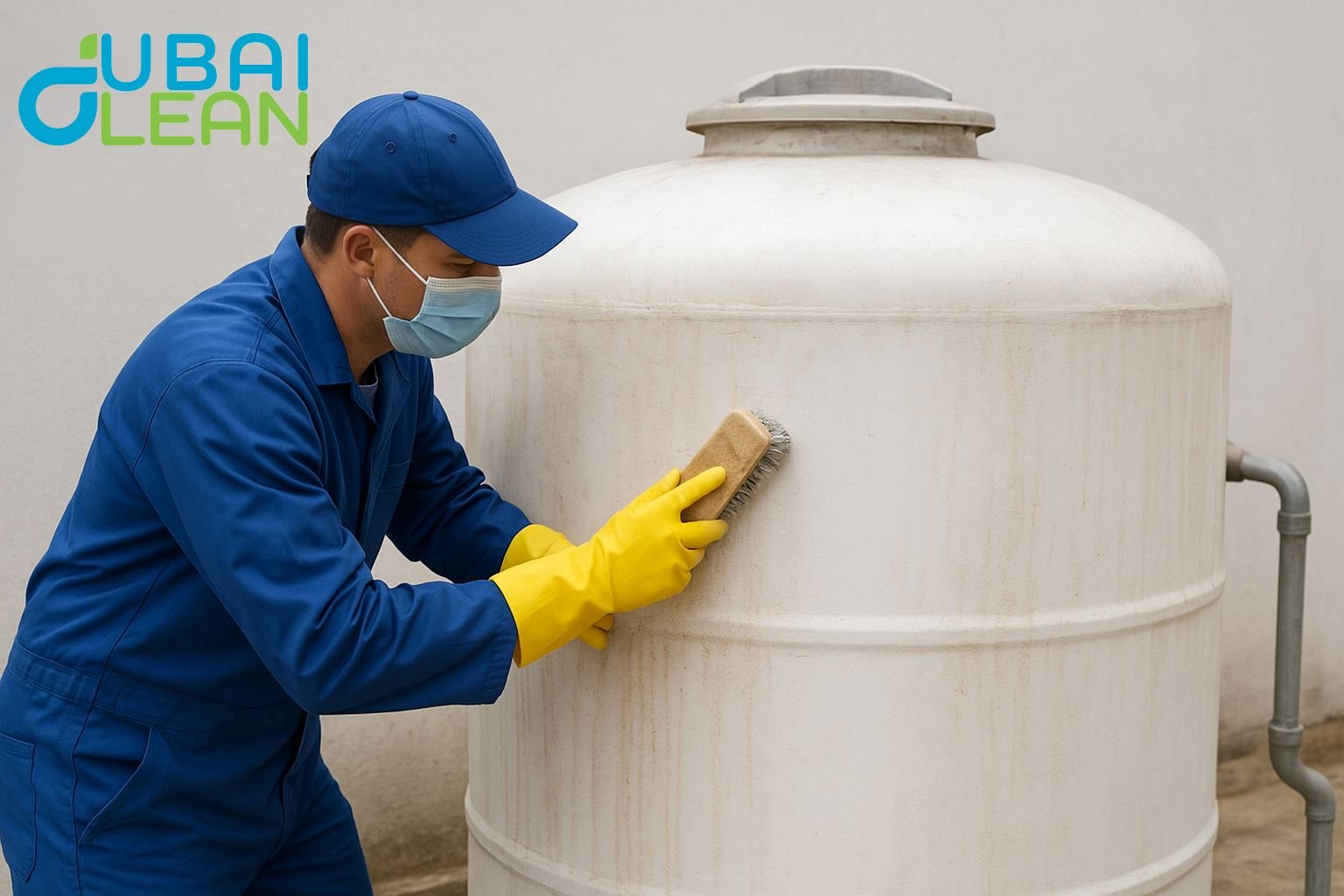
Cleaning a fiberglass tank is essential to maintain safe and fresh water. Start by draining the tank completely and wearing protective gear like gloves and a mask. Use soft brushes or sponges along with mild detergents or safe disinfectants to scrub the interior gently. Rinse thoroughly with clean water to remove all residues, then disinfect the tank before refilling. Following these steps regularly helps prevent algae, sediment buildup, and unpleasant odors while extending the tank’s lifespan.
Preparation Before Cleaning
Before starting the cleaning process, it’s important to prepare your fiberglass tank properly. Begin by turning off the water supply to prevent any accidental flow during cleaning. Next, drain the tank completely to remove any leftover water, sediments, or debris. Always wear protective gear such as gloves, a mask, and safety goggles to protect yourself from any harmful bacteria or cleaning chemicals that may be used during the process.
Cleaning Tools and Materials
Using the right tools and materials makes cleaning a fiberglass tank easier and safer. Soft brushes and sponges are ideal for scrubbing the interior without damaging the tank’s surface. A water hose helps rinse away dirt and cleaning agents thoroughly. For disinfecting, use safe cleaning chemicals like mild detergents or diluted bleach. Avoid abrasive tools or harsh chemicals, as they can scratch or weaken the fiberglass material over time.
2. Fiberglass Tank Cleaning Steps
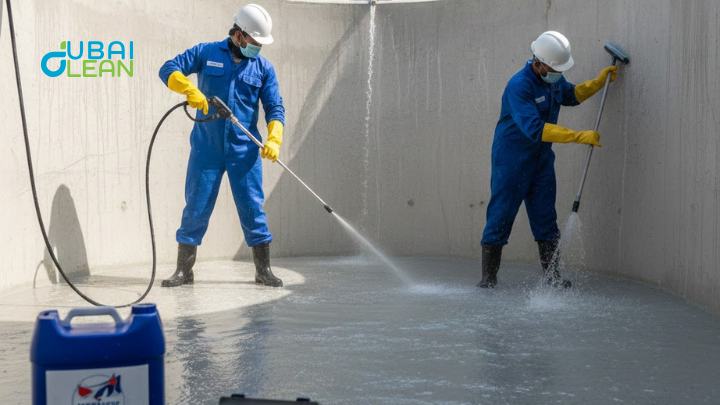
Cleaning a fiberglass tank involves a few important steps to ensure safe and clean water. Start by fully draining the tank to remove any sediment or debris. Gently scrub the interior walls and bottom with a soft brush to eliminate algae and dirt. Rinse thoroughly with clean water to remove all cleaning agents, then disinfect using safe chemicals like diluted chlorine. After rinsing again, refill the tank with fresh water and test it for quality before use. Following these steps regularly keeps your tank hygienic and prolongs its lifespan.
Step 1: Draining the Tank
The first step in cleaning a fiberglass tank is to drain it completely. Full drainage ensures that all sediments, debris, and leftover water are removed, making the cleaning process easier and more effective.
Step 2: Scrubbing the Interior
Once drained, gently scrub the tank’s interior walls and bottom using a soft brush or sponge. Focus on areas with algae, dirt, or sediment buildup. Avoid using abrasive tools that can scratch or damage the fiberglass surface.
Step 3: Rinsing Thoroughly
After scrubbing, rinse the tank thoroughly with clean water to remove all traces of dirt and cleaning agents. This step is crucial to ensure no chemicals remain that could contaminate your water supply.
Step 4: Disinfecting the Tank
Disinfect the tank using safe chemicals such as diluted chlorine or other approved disinfectants. Allow the solution to sit for the recommended time to kill bacteria and algae, then rinse thoroughly to remove all disinfectant residue.
Step 5: Refilling and Testing Water
Finally, refill the tank with fresh, clean water and test the water quality before use. Regularly following these steps helps maintain safe drinking water, prevents unpleasant odors, and extends the lifespan of your fiberglass tank.
3. Safe Chemicals for Fiberglass Tank Cleaning
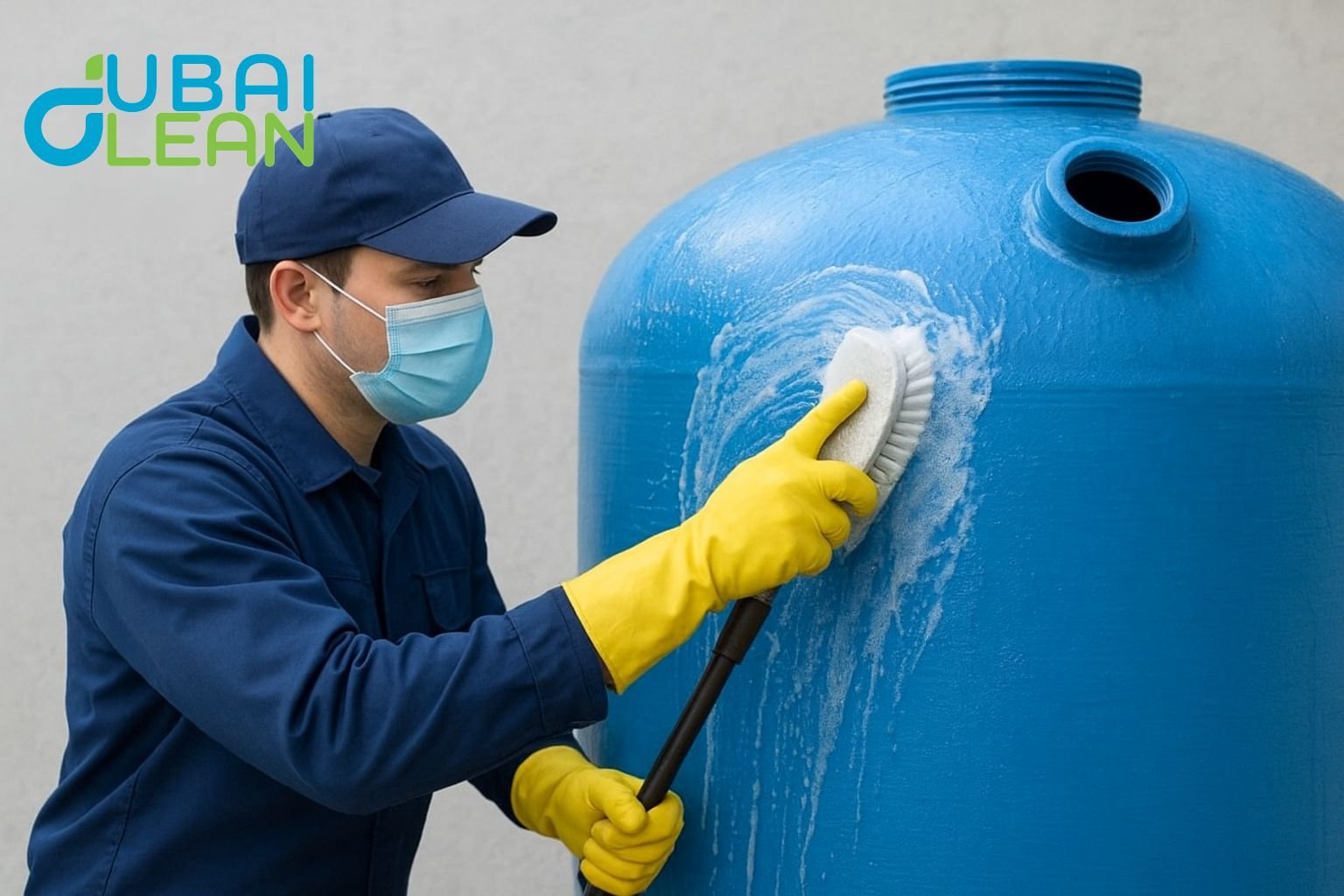
When cleaning a fiberglass tank, using the right chemicals is crucial to protect both your tank and the water quality. Chlorine-based disinfectants are highly effective for killing bacteria and algae, making them a popular choice for tank disinfection. Mild detergents that are safe for drinking water can also be used to remove dirt and sediments without damaging the fiberglass surface. It’s important to avoid strong acids, abrasive cleaners, or harsh chemicals, as they can scratch, weaken, or corrode the tank material, reducing its lifespan and safety.
Chlorine-Based Disinfectants
Chlorine-based disinfectants are highly effective in eliminating bacteria, algae, and other harmful microorganisms that may grow inside your water tank. They not only sanitize the tank but also help maintain the water’s freshness and prevent unpleasant odors. Always follow the recommended dilution and contact time to ensure safe and effective disinfection.
Mild Detergents
Mild detergents that are safe for drinking water can help remove dirt, sediments, and light algae buildup from the tank walls and bottom. They provide a gentle cleaning action that does not harm the fiberglass surface, ensuring your tank remains durable and long-lasting while keeping water quality intact.
4. Fiberglass vs GRP Water Tank
Fiberglass and GRP (Glass Reinforced Plastic) tanks are both durable options for water storage, but they differ in composition and strength. Fiberglass tanks are lightweight, corrosion-resistant, and easy to install, while GRP tanks have a higher glass fiber content, making them stronger and more rigid. Both tanks resist bacteria and algae buildup, but GRP may require slightly less frequent maintenance. Choosing the right tank depends on your storage needs, budget, and long-term durability requirements.
Material Comparison
Fiberglass and GRP (Glass Reinforced Plastic) tanks are both popular choices for water storage, but they differ slightly in composition. Fiberglass tanks are made from a combination of resin and glass fibers, offering excellent corrosion resistance and lightweight durability. GRP tanks, while similar, typically have a higher glass fiber content, making them stronger and slightly more rigid. Both types provide long-lasting performance.
Maintenance Needs
When it comes to maintenance, both fiberglass and GRP tanks require regular cleaning to prevent sediment and algae buildup. Fiberglass tanks are relatively easy to clean and resist bacteria growth effectively, while GRP tanks, due to their denser structure, may require less frequent maintenance. Regular inspection and cleaning ensure both tank types deliver safe, clean water and maintain their durability over time.
Conclusion
Regular cleaning of your fiberglass tank is essential to ensure safe, fresh, and hygienic water for daily use. Over time, sediment, algae, and bacteria can accumulate, affecting both water quality and the tank’s performance. Using safe chemicals, such as mild detergents and chlorine-based disinfectants, helps maintain cleanliness without harming the tank’s surface. Choosing the right tank type whether lightweight fiberglass or stronger GRP also plays a key role in durability, ease of maintenance, and long-term reliability. By following proper cleaning steps, performing routine inspections, and selecting a tank suited to your specific needs, you can enjoy consistently clean water, prevent costly repairs, avoid unpleasant odors, and help your water storage system last longer and perform better.