

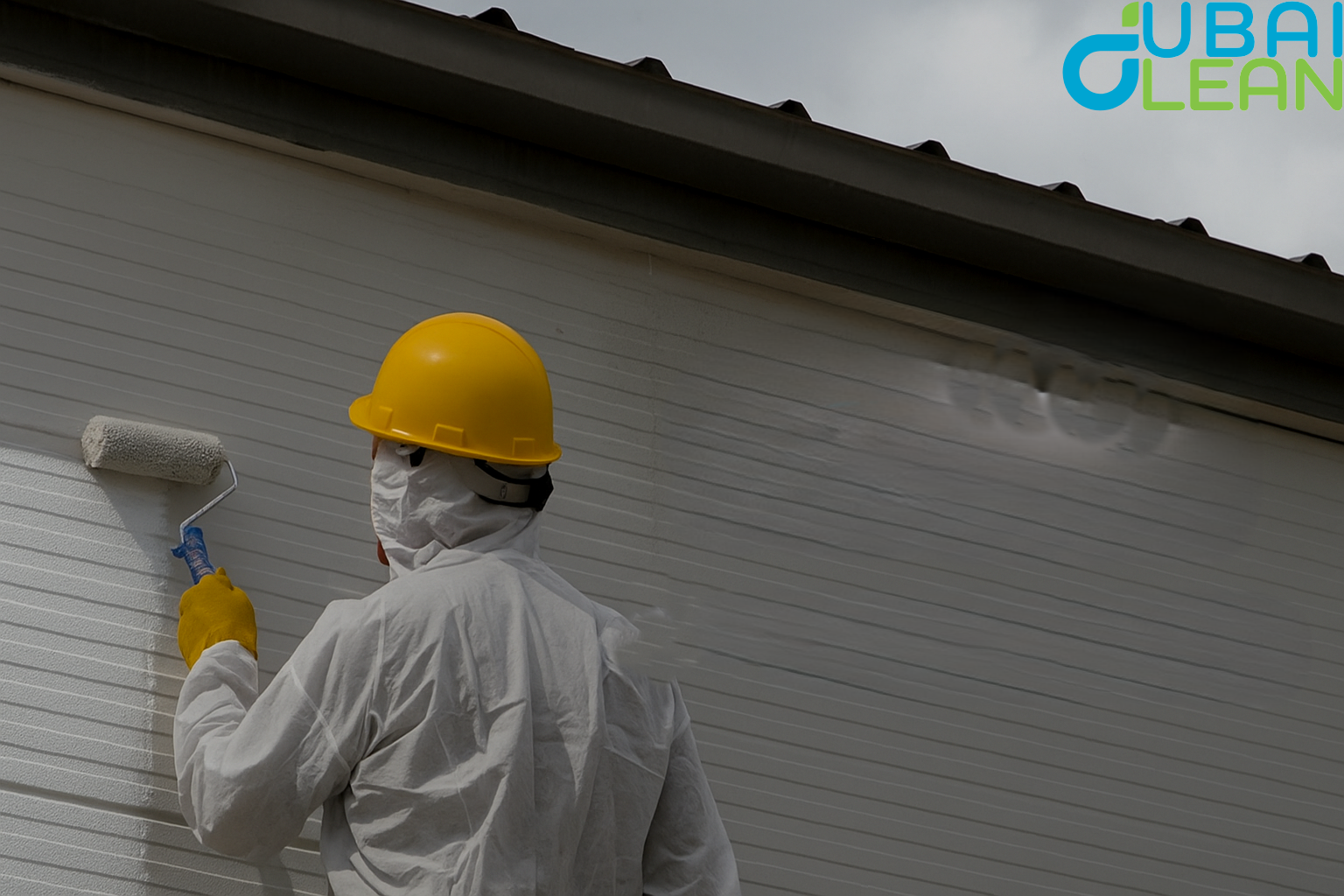
Factory painting plays a crucial role in maintaining both the durability and visual appeal of industrial buildings. Over time, factory walls, floors, and machinery are exposed to dust, heat, moisture, and chemical residues that can cause damage or corrosion. A well-applied industrial paint layer acts as a protective shield, preventing wear and tear while giving the factory a cleaner, more professional look.
Hiring professional factory painting services ensures high-quality results that meet safety and compliance standards. Expert painters use specialized coatings, tools, and methods designed for large-scale environments. This not only enhances the appearance and structure of your factory but also helps improve safety, hygiene, and overall productivity by reducing hazards, improving lighting reflection, and maintaining a cleaner workspace.
1. Understanding Factory Painting
Factory painting is a specialized process that goes beyond surface aesthetics. It involves applying high-performance coatings to walls, floors, ceilings, and machinery to protect them from harsh industrial conditions such as heat, dust, and chemical exposure. Unlike ordinary painting, factory painting focuses on durability, corrosion resistance, and hygiene. It helps maintain a clean, safe, and efficient work environment while extending the lifespan of equipment and building structures. For factories in climates like Dubai’s, professional painting ensures protection against extreme temperatures and humidity, keeping the facility in top condition year-round.
What Is Factory Painting?
Factory painting involves coating interior and exterior surfaces of industrial spaces using durable, chemical-resistant paints that can withstand heavy use and extreme temperatures. The goal is to create a protective barrier that prevents rust, corrosion, dust accumulation, and surface wear. This process not only keeps the facility looking neat but also reduces maintenance costs over time.
Types of Factory Painting Services
Factory painting services cover a wide range of applications designed to meet industrial needs. These include interior painting to keep walls and ceilings clean and bright, exterior painting to protect surfaces from heat and weather, machinery coating to prevent rust and wear, and floor coating with epoxy finishes for added strength and safety. Each type of service plays a vital role in maintaining a factory’s functionality, appearance, and long-term durability.
Interior Factory Painting
This includes painting walls, ceilings, beams, and structural components inside the factory. High-durability paints are used to resist heat, humidity, and dust accumulation, ensuring a clean and bright working environment.
Exterior Painting for Walls and Roofs
Exterior surfaces are exposed to Dubai’s intense heat, humidity, and sand. Specialized UV-resistant and weatherproof coatings protect walls and roofs from fading, cracking, and corrosion while maintaining an attractive appearance.
Machinery and Equipment Coating
Painting industrial machines not only enhances appearance but also prevents rust and chemical damage. Epoxy and enamel coatings are commonly applied to protect machinery from moisture and wear, ensuring longer operational life.
Floor Coating and Epoxy Finishes
Factory floors face constant foot and machine traffic. Applying epoxy floor coatings improves durability, makes cleaning easier, and provides an anti-slip surface for worker safety. It also enhances visibility by reflecting more light, contributing to a safer and more efficient workspace.
2. Benefits of Factory Painting
Factory painting provides essential benefits that go far beyond appearance. It protects surfaces from corrosion, dust, and heat, ensuring long-lasting durability in demanding industrial environments. A professionally painted factory also promotes workplace safety, using anti-slip and fire-resistant coatings to reduce risks. Fresh paint improves lighting, cleanliness, and overall aesthetics, creating a more organized and motivating space. Additionally, maintaining a well-painted facility enhances brand image and property value, making it both a practical and profitable investment.
Improves Durability and Protection
Professional factory painting shields surfaces from corrosion, moisture, and extreme temperatures, especially in challenging environments like Dubai. Industrial-grade coatings protect walls, metal structures, and machinery from rust and degradation, helping extend their operational lifespan and reducing costly repairs over time.
Enhances Workplace Safety
Using anti-slip and fire-resistant paints contributes directly to employee safety. Safety color coding and reflective coatings help improve visibility around machinery and walkways, minimizing the risk of accidents. A properly painted environment supports compliance with health and safety regulations while keeping the workspace organized and hazard-free.
Boosts Aesthetic and Brand Image
A freshly painted factory instantly looks cleaner, brighter, and more professional. The choice of colors and finishes can reflect the company’s brand identity and create a positive impression on clients, partners, and employees. Well-maintained surroundings also promote morale and productivity within the workforce.
Increases Property Value
A well-painted industrial property stands out for its maintenance quality and structural integrity. Prospective clients and investors are more attracted to spaces that look professionally managed. Consistent painting maintenance not only preserves building value but can also increase resale potential and business credibility.
3. Factory Painting Process
The factory painting process is a systematic approach that ensures every surface receives strong, even, and lasting protection. It begins with thorough surface preparation, including cleaning, sanding, and priming to remove old paint and improve adhesion. Once prepared, high-quality industrial coatings are applied using professional techniques for maximum durability. After painting, the surfaces go through a controlled drying and finishing process to achieve a smooth, uniform appearance. This careful procedure guarantees long-term protection against corrosion, moisture, and environmental wear.
Surface Preparation
Proper surface preparation is the foundation of any successful factory painting project. It begins with cleaning, sanding, and removing old or flaking paint to create a smooth base. This step helps eliminate dirt, oil, and rust that can affect paint adhesion. Applying a primer coat afterward ensures the new paint bonds securely to the surface, improving both durability and appearance.
Drying and Finishing
After the paint is applied, controlled drying and curing times are essential to achieve a strong and even finish. Painters often use ventilation systems to speed up drying without compromising quality. Once cured, the surfaces undergo inspection for uniform coverage and coating thickness, ensuring long-term protection and a professional, high-quality appearance.
4. Maintenance & Tips
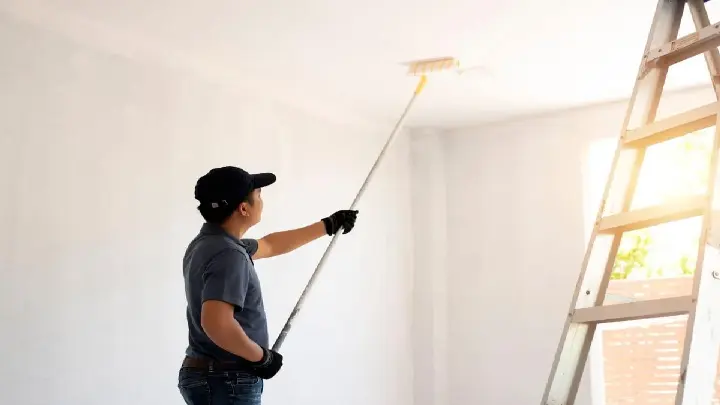
Proper maintenance is essential to ensure that factory paintwork remains durable, attractive, and protective over time. Regular inspections help spot early signs of peeling, cracking, or rust, preventing costly repairs later. Routine cleaning using non-abrasive methods keeps surfaces free from dust, grease, and chemicals that can damage the coating. Establishing a consistent repainting schedule every few years depending on usage helps maintain both safety and appearance. Choosing eco-friendly, low-VOC paints not only supports environmental goals but also promotes cleaner air and a healthier workplace for employees.
Regular Inspections
Conduct periodic paint inspections to identify signs of peeling, cracking, or fading early. Regular checks help prevent corrosion and costly repairs while ensuring the protective coating remains intact.
Cleaning Painted Surfaces
Use gentle cleaning methods such as soft brushes or non-abrasive cloths to remove dust and dirt without damaging the paint. Avoid harsh chemicals that can weaken or discolor the surface.
Repainting Schedule
Plan a repainting schedule based on the factory’s exposure level and usage. Typically, repainting every 3–5 years maintains both appearance and protection, especially in high-traffic or moisture-prone areas.
Environmental Considerations
Opt for low-VOC or eco-friendly paints to reduce harmful emissions and improve indoor air quality. Sustainable materials not only protect the environment but also create a safer, healthier workspace for employees.
5. Dangers of Unprofessional Factory Painting
Unprofessional factory painting can lead to serious safety, quality, and financial issues. Inexperienced painters may skip crucial steps like surface preparation or use low-quality paints, causing early peeling, corrosion, and poor finishes. These mistakes not only increase maintenance costs but can also expose workers to health and safety risks from fumes or improper handling of materials. Additionally, rework and delays can lead to costly downtime and productivity loss, disrupting factory operations and overall efficiency.
Safety Hazards
Untrained painters may overlook proper safety protocols, leading to accidents, chemical exposure, or fire risks. Without the right equipment and ventilation, workers and employees can be exposed to toxic fumes, creating an unsafe work environment.
Poor Surface Preparation
Skipping essential steps such as cleaning, sanding, or priming causes paint to peel, blister, or corrode prematurely. Poor preparation reduces adhesion, making coatings ineffective and requiring frequent touch-ups or complete repainting.
Low-Quality Paint Materials
Using cheap or inappropriate paints can severely affect durability and finish quality. Such coatings may not resist heat, chemicals, or moisture, leading to frequent repainting, higher maintenance costs, and reduced lifespan of factory surfaces.
Downtime and Productivity Loss
Improper painting practices often result in unplanned shutdowns and project delays. When paint fails early or surfaces need rework, production schedules are interrupted, directly impacting factory efficiency and profitability.
Conclusion
Professional factory painting is a vital investment that ensures safety, durability, and visual appeal within any industrial environment. It protects structures and machinery from corrosion, enhances workplace hygiene, and promotes a professional image that reflects company standards. Beyond aesthetics, quality factory painting improves safety performance through the use of fire-resistant and anti-slip coatings. Regular maintenance and inspections help preserve the coating’s strength and appearance, preventing costly repairs in the future. In the long run, professional painting adds value, efficiency, and reliability to your factory operations.