


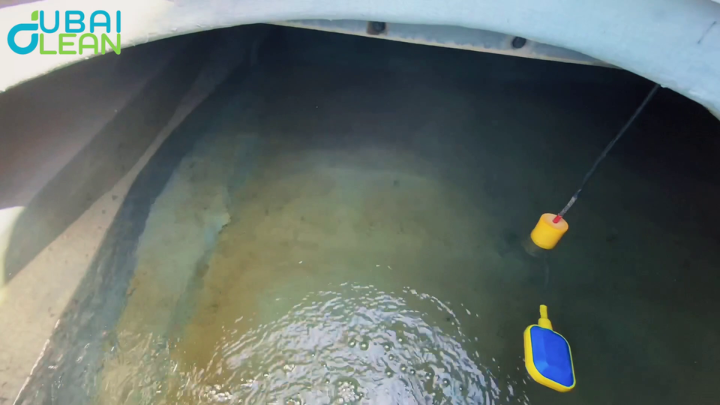
When we think of water storage, most imagine overhead tanks on rooftops, but the true unsung hero is the underground water tank, a hidden reservoir that provides reliable water storage solutions for modern homes, apartments, and businesses while saving space, maintaining water temperature, and keeping supplies safe. More than just storage, a well-designed and regularly maintained underground tank safeguards your family’s health by reducing contamination risks, ensuring water safety, and offering peace of mind. With growing concerns about clean water, investing in a durable, hygienic underground system is not only practical but also a long-term protection for your loved ones.
1. What is an Underground Water Tank?
An underground water tank cleaning service in dubai is a specially designed storage system built below ground level to safely store large quantities of water. Unlike overhead tanks that sit on rooftops, these tanks are hidden beneath the surface, making them both practical and discreet. They are constructed using durable materials such as reinforced concrete, fiberglass, plastic, or steel, and are engineered to withstand ground pressure and prevent leakage.
Benefits of Underground Water Tanks Over Overhead Tanks
Choosing an underground tank comes with several advantages:
- Space-saving solution: Since the tank is built underground, you can maximize surface space for gardens, parking, or outdoor living areas.
- Temperature control: Being insulated by the earth, water stored underground remains cooler and less prone to bacterial growth compared to rooftop tanks.
- Enhanced safety: Underground tanks stay protected from harsh weather, direct sunlight, and accidental contamination, ensuring cleaner and more secure water storage. They’re also safer from tampering or external hazards.
Common Uses of Underground Water Tanks
Underground water tanks are commonly used in a variety of settings to ensure safe and reliable water storage:
- Residential: For daily household needs, gardening, and emergency backup storage.
- Commercial: In apartments, hotels, offices, and malls where large-scale water storage is essential.
- Industrial: For factories, warehouses, and construction sites that require high water capacity for operations, cleaning, or firefighting systems.
In short, an underground water tank is more than just hidden storage it’s a smart, safe, and reliable water storage solution that ensures you never run out of one of life’s most important resources.
2. Underground Water Tank Capacity Calculation
One of the most important steps in installing an underground water tank is getting the size right. If the tank is too small, you’ll constantly face water shortages. If it’s too large, you’ll overspend on construction and maintenance while wasting valuable space. That’s why capacity planning is crucial; it ensures your tank meets your exact water needs without overflow or under-supply.
Key Factors to Consider
When calculating the ideal underground water tank capacity, consider:
- Family or Occupant Size / Business Needs
The more people using the water, the larger the storage required. - Daily Water Consumption per Person
On average, an individual uses about 135–150 liters of water per day for essential needs like drinking, cooking, bathing, and cleaning. - Emergency Storage Requirements
It’s wise to add extra capacity for unexpected situations like water supply interruptions, guests, or seasonal demand.
Formula for Tank Capacity
Tank Capacity=Number of People×Daily Water Use per Person×Days of Storage Needed\text{Tank Capacity} = \text{Number of People} \times \text{Daily Water Use per Person} \times \text{Days of Storage Needed}Tank Capacity=Number of People×Daily Water Use per Person×Days of Storage Needed
Example: Family of 5
Let’s calculate the underground water tank capacity for a family of 5, assuming:
- Daily water use = 150 liters per person
- Storage requirement = 3 days
Capacity=5×150×3=2,250 liters\text{Capacity} = 5 \times 150 \times 3 = 2,250 \, \text{liters}Capacity=5×150×3=2,250liters
So, the family should install an underground tank of at least 2,500 liters (rounding up) to comfortably meet their needs.
Pro Tip
For larger apartments, villas, or businesses, multiply the number of occupants by average daily use, then add 10–15% buffer for emergencies. This ensures you never run short on water.
With smart underground water tank capacity calculation, you’ll enjoy a balance of cost-efficiency, space optimization, and water security.
3. Underground Water Tank Design & Structure
A carefully planned underground water tank design forms the backbone of safe, durable, and reliable water storage. The strength, durability, and hygiene of your tank depend not only on the material used but also on how thoughtfully it’s built. A strong design today prevents leaks, contamination, and costly repairs tomorrow.
Common Materials Used in Tank Construction
- Concrete: The most common choice, valued for its exceptional strength, durability, and long lifespan.
- Plastic (Polyethylene): Lightweight, cost-effective, and easy to install. Best for smaller residential needs.
- Fiberglass: Resistant to corrosion and chemical reactions, with excellent durability. Suitable for both residential and industrial use.
- Steel: Strong and long-lasting, often used in specialized industrial or commercial projects.
Key Design Elements to Consider
- Dimensions & Space Optimization
The tank should fit your available land without compromising structural stability. Depth, width, and length must be calculated to store the required capacity safely. - Ventilation & Manhole Placement
Proper ventilation ensures air circulation to reduce bacterial growth. A manhole (access hatch) should be strategically placed for easy cleaning and inspection. - Waterproofing & Durability
Waterproof coatings or sealants prevent leakage and groundwater contamination. A properly designed tank stays strong for decades, protecting against cracks, leaks, and structural damage. - Safety Through Professional Engineering
A tank is not just a pit in the ground—it’s a pressurized structure that must withstand soil loads, groundwater levels, and usage pressure. Professional engineering ensures compliance with safety standards, long-term performance, and peace of mind.
Choosing a durable water tank solution isn’t just about storagemit’s about investing in the safety of your water and the health of your family or business.
4. Underground Water Tank Cleaning
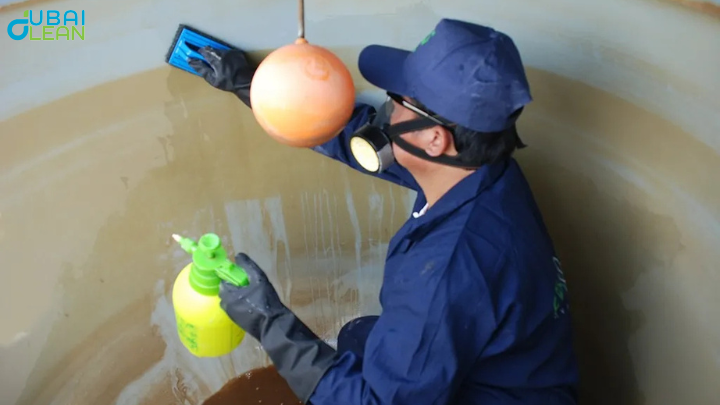
Water stored underground may look clean when it flows from the tap, but over time, tanks can accumulate bacteria, algae, and sediment that pose serious health risks. Without regular cleaning, harmful microorganisms can contaminate your water supply, leading to illnesses, unpleasant odors, and poor water quality. This is why underground water tank cleaning services are essential for both homes and businesses. Remember: clean water = healthy family. Don’t compromise on hygiene where it matters most.
Why Regular Cleaning is Vital
- Prevents algae growth caused by stagnant water.
- Removes sediment and dirt that settle at the bottom.
- Eliminates harmful bacteria that thrive in damp, dark environments.
- Ensures safe drinking water and protects your family’s health.
Signs Your Tank Needs Cleaning
- Muddy or discolored water from taps.
- Strange or unpleasant odors.
- Reduced water flow due to sediment buildup.
- It’s been 6–12 months since the last cleaning.
Step-by-Step Cleaning Process
- Draining: Empty the tank completely to access all surfaces.
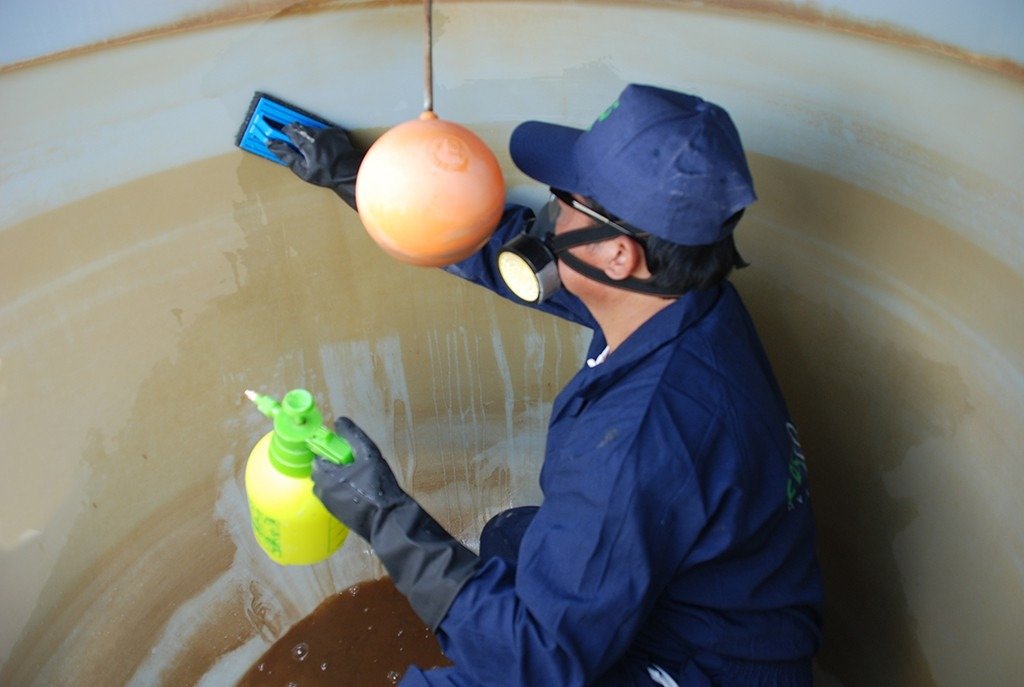
- Scrubbing: Remove algae, sludge, and dirt from walls and the floor.
- Disinfecting: Use approved cleaning agents or chlorine-based solutions for tank disinfection.
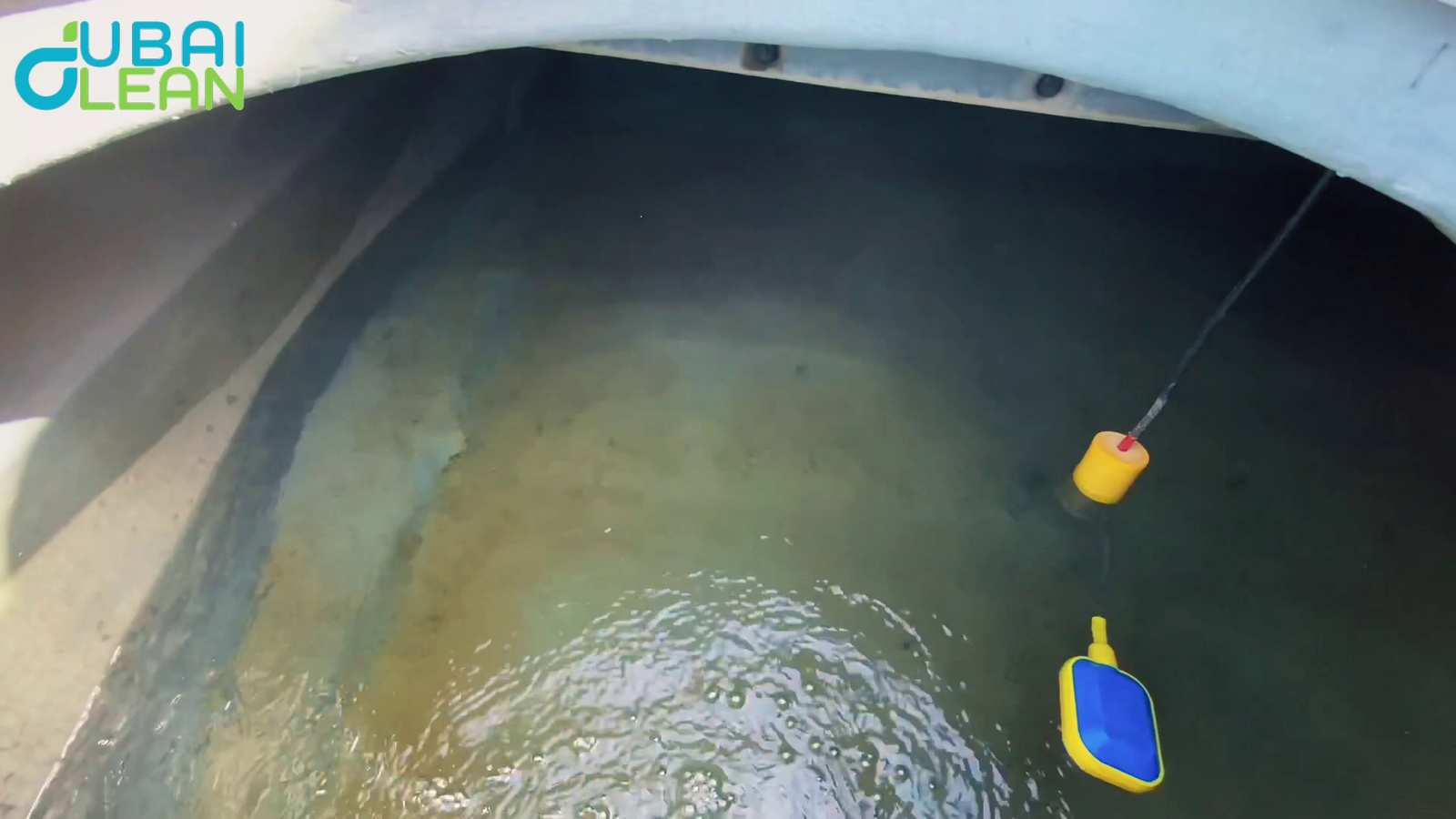
- Rinsing & Refilling: Flush the tank thoroughly and refill with fresh, clean water.
Professional Cleaning Services vs. DIY
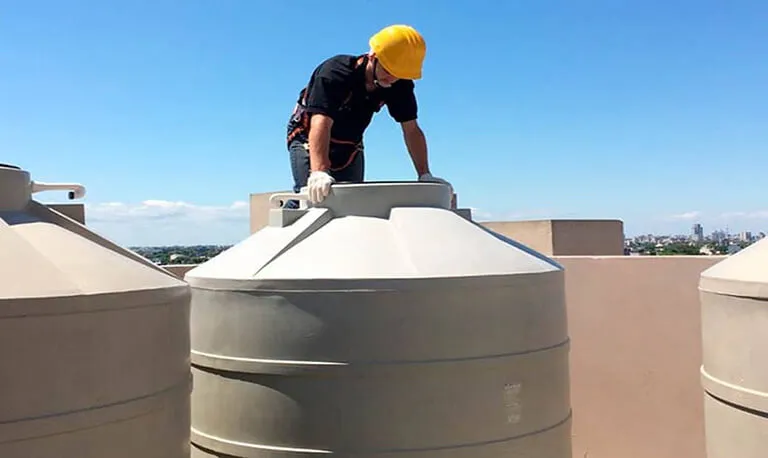
- DIY Cleaning: Possible for small plastic tanks, but risky without the right tools and disinfectants. Entering a confined underground tank is dangerous due to limited oxygen and harmful gases.
- Professional Services: Experts come equipped with proper safety gear, eco-friendly disinfectants, and suction/vacuum machines to guarantee thorough and safe cleaning.
For peace of mind, it’s always best to rely on professional underground water tank cleaning services protecting your water quality, your health, and your loved ones.
5. Maintenance Tips for Longevity
An Above ground vs underground water tank holding is a long-term investment, and with proper care, it can serve you reliably for decades. Regular maintenance not only prevents contamination and leaks but also saves you from costly repairs. Follow these simple yet effective tips to extend the life of your tank:

1. Schedule Inspections and Cleaning
- Inspect your tank every 6 months and schedule cleaning by a professional deep cleaning company at least once a year.
- Regular checks help spot cracks, leaks, or early signs of contamination before they become major issues.
2. Apply Protective Coatings for Waterproofing
- Use waterproof sealants or coatings inside the tank to prevent seepage and structural damage.
- These coatings also help protect against mold, algae growth, and corrosion.
3. Avoid Chemical Contamination
- Never dispose of paints, oils, or chemicals near or inside your water system.
- Even small traces can pollute the stored water and make it unsafe for domestic use.
4. Monitor Inlet and Outlet Pipes
- Ensure that inlet pipes are fitted with filters to block dirt and debris.
- Regularly check outlet pipes for blockages or leaks to maintain proper water flow.
By combining routine inspections, waterproofing, and careful monitoring, you can ensure your underground water tank design remains durable, safe, and efficient for years to come.
Conclusion
An underground water tank is more than hidden storage; it’s a reliable lifeline for safe water at home, in apartments, and in businesses. From the start, proper capacity planning ensures you’ll always have enough supply without risking shortages or overflow, while a safe design and structure using durable materials, waterproofing, and professional engineering prevents leaks, contamination, and costly repairs. Just as important is regular cleaning and maintenance, which protects against bacteria, algae, and sediment that threaten your family’s health. Remember, an underground water tank isn’t just storage, it’s your family’s safeguard for clean, dependable water. Take the step today to inspect your tank, consult experts, or book a professional cleaning service to ensure your water remains pure and your loved ones stay protected.