

Keeping a swimming pool clean is essential not only for maintaining its sparkling appearance but also for ensuring the health and safety of swimmers. Regular maintenance prevents the growth of algae, bacteria, and other harmful microorganisms, helping you enjoy a safe and refreshing swimming experience.
Using the right pool cleaning equipment makes this task easier, more efficient, and effective. From removing leaves and debris to balancing chemicals and maintaining water clarity, each tool plays a crucial role in pool care.
In this blog, we’ll provide a detailed swimming pool cleaning equipment list, covering all the essential tools and devices you need to keep your pool pristine year-round.
1. Basic Pool Cleaning Tools
Proper pool maintenance starts with the basic pool cleaning tools, which help remove debris and keep your pool water clear and inviting.
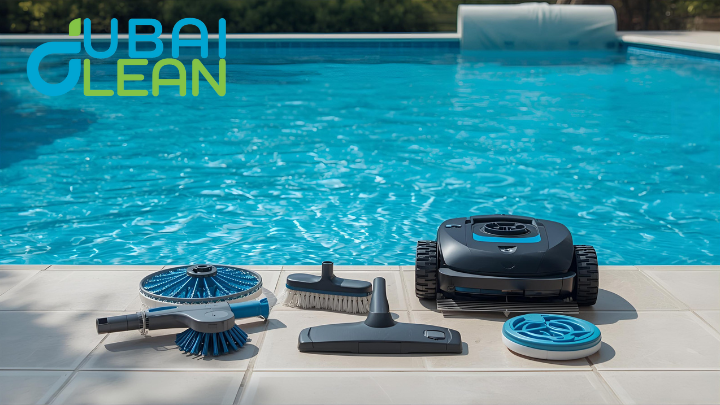
Skimmer Nets: Skimmer nets are essential for removing leaves, insects, and other floating debris from the pool surface. Using a skimmer net regularly prevents debris from sinking to the bottom, making overall pool maintenance easier and reducing strain on your pool’s filtration system.
Pool Brushes: Pool brushes are designed to scrub walls, floors, and steps, preventing algae and grime buildup. Regular brushing not only keeps your pool looking clean but also helps maintain a healthy swimming environment by eliminating areas where bacteria can grow.
Vacuum Cleaners: Pool vacuums are used to clean debris that settles at the bottom. Manual vacuums require physical effort but are cost-effective, while automatic or robotic vacuums save time and energy, especially for larger pools. Choosing the right vacuum ensures thorough cleaning without damaging the pool surfaces.
Leaf Rakes: Leaf rakes are larger nets designed to catch heavy or abundant debris before it settles on the pool floor. They are particularly useful during fall or in areas surrounded by trees. Using a leaf rake regularly minimizes the amount of debris your vacuum has to handle, keeping maintenance simpler and more efficient.
2. Chemical Maintenance Equipment
Maintaining the right chemical balance in your pool is just as important as removing debris. Using the proper chemical maintenance tools ensures the water remains safe, clear, and hygienic for swimmers.
Chlorine and pH Test Kits: Chlorine and pH test kits are essential for regularly checking your pool’s water balance. Maintaining the correct chlorine levels kills bacteria and prevents harmful microorganisms from thriving, while keeping the pH level balanced prevents skin irritation and protects pool surfaces from corrosion or scaling.
Chemical Feeders: Chemical feeders automatically dispense chlorine or other sanitizers into your pool at controlled levels. This ensures consistent water sanitation, reduces the risk of chemical overuse, and minimizes manual maintenance efforts, making it easier to maintain a clean and safe pool.
Pool Shock Treatments: Shock treatments are used to eliminate algae, bacteria, and cloudy water caused by contaminants. Regular shock treatment helps maintain crystal-clear water, especially after heavy pool usage or extreme weather conditions. It’s an essential step for deep cleaning and overall water clarity.
Algaecide Dispensers: Algaecide dispensers prevent the growth of algae and keep your pool looking clean and safe. Using algaecide regularly reduces the need for intensive cleaning sessions and helps maintain hygienic swimming conditions throughout the season.
3. Advanced Cleaning Devices
For larger pools or those with frequent use, advanced cleaning devices can make maintenance faster, more efficient, and less labor-intensive. These tools combine technology with convenience, helping you keep your pool in pristine condition.
Robotic Pool Cleaners: Robotic pool cleaners are fully automated devices that scrub, vacuum, and filter your pool without requiring much manual effort. They save time and energy, efficiently cleaning the pool floor, walls, and even steps while circulating water to maintain consistent cleanliness.
Automatic Pool Vacuums: Automatic pool vacuums are ideal for large pools or areas with heavy debris accumulation. Unlike manual vacuums, they move independently along the pool floor, collecting dirt, sand, and organic material. This ensures a thorough cleaning and reduces the frequency of manual interventions.
Water Circulators: Water circulators improve the movement of water throughout the pool, helping chemicals disperse evenly and preventing stagnation. Proper circulation also supports filtration systems, ensuring that debris, algae, and bacteria are continuously removed from the water.
Pool Filter Pumps: Filter pumps are critical for keeping your pool water clear and free from impurities. They trap dirt, leaves, and other contaminants, maintaining healthy water quality. Regular maintenance of filter pumps ensures the longevity of your pool equipment and optimal swimming conditions.
4. Pool Accessories and Safety Gear
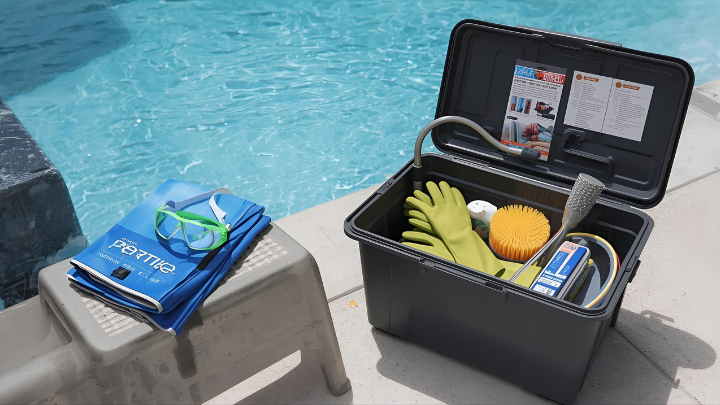
Alongside cleaning devices and chemical maintenance tools, pool accessories and safety gear play a vital role in making pool upkeep easier, safer, and more organized.
Pool Covers: Pool covers are essential for protecting your pool from debris, dirt, and leaves when it’s not in use. They help reduce cleaning time, prevent evaporation, and maintain water temperature, making pool maintenance more efficient throughout the year.
Safety Goggles & Gloves: Using safety goggles and gloves while cleaning your pool protects your eyes and hands from chemicals, debris, and sharp objects. These simple protective tools ensure that maintenance tasks are safe and stress-free.
Maintenance Kits: Maintenance kits combine essential tools like brushes, skimmers, test kits, and other cleaning supplies in one convenient package. These all-in-one kits simplify regular upkeep and help ensure that you always have the right equipment on hand.
Storage Solutions: Proper storage of your pool tools extends their lifespan and keeps your maintenance area organized. Using racks, bins, or storage sheds prevents damage to equipment, reduces clutter, and makes it easy to access tools whenever they’re needed.
5. Seasonal Pool Maintenance Tips
Proper seasonal maintenance ensures your pool remains clean, safe, and enjoyable throughout the year. Each season requires specific care to address changing weather conditions and pool usage.
5.1 Spring Cleaning Essentials
After the winter months, pools often accumulate layers of dirt, leaves, algae, and other debris that can affect water quality and safety. Spring cleaning is crucial to prepare your pool for the upcoming swimming season. This process involves thorough skimming to remove surface debris, scrubbing pool walls and floors to eliminate algae and grime, and vacuuming to clear settled particles from the bottom. Additionally, testing and balancing the pool’s chemical levels, such as chlorine and pH, is essential to ensure the water is safe for swimmers. Inspecting all equipment, including pumps, filters, and brushes, helps identify any damage or wear that may need repair or replacement. Proper spring preparation ensures your pool is clean, safe, and ready for a refreshing start to the season.
5.2 Summer Upkeep Tips
During summer, pools face heavy usage and constant exposure to sunlight, which can accelerate algae growth and disrupt the chemical balance of the water. Maintaining water clarity and hygiene requires consistent attention. Regular skimming of leaves and debris from the surface, brushing the walls and floors, and vacuuming the bottom are essential daily or weekly tasks. Monitoring chemical levels frequently helps prevent issues like cloudy water, skin irritation, or algae outbreaks. For larger pools or those with heavy traffic, investing in automatic pool cleaners or robotic vacuums can save time and effort, ensuring your pool remains clean and enjoyable even during peak usage.
5.3 Fall Preparation
As temperatures cool and leaves begin to fall, pools become more susceptible to debris accumulation and chemical imbalances. Fall maintenance focuses on protecting the pool during the off-season and reducing future cleaning workload. Covering the pool when not in use prevents leaves and dirt from settling into the water. Using leaf rakes to remove accumulated debris and adjusting chemical levels helps maintain water quality. Additionally, checking and maintaining pool equipment ensures that everything remains in good working condition for the winter months. Proper fall preparation not only keeps your pool clean but also prolongs the life of your equipment, making spring opening much easier and more efficient.
6. Common Mistakes to Avoid
Even with the best equipment, improper pool maintenance can lead to bigger problems, so avoiding common mistakes is essential to keep your pool clean, safe, and in good condition. Using the wrong cleaning tools can damage pool surfaces or make cleaning less effective for instance, a metal brush on delicate walls can cause scratches, and skipping a vacuum for settled debris can leave the pool dirty.
Ignoring chemical balance checks, such as chlorine and pH levels, may result in algae growth, cloudy water, and swimmer health issues, making regular testing and adjustment crucial. Neglecting vacuuming and brushing allows dirt and debris to accumulate over time, leading to stains, algae, and bacteria buildup, while proper routine cleaning reduces the need for intensive deep-cleaning sessions. Additionally, storing equipment improperly exposed to sun, water, or harsh weather can shorten its lifespan, so using racks, bins, or sheds helps keep tools organized, protected, and ready for use whenever needed.
7. Conclusion
Proper pool maintenance starts with using the right cleaning equipment. From basic tools like skimmer nets and brushes to advanced devices like robotic cleaners and chemical feeders, each piece of equipment plays a vital role in keeping your pool safe, hygienic, and crystal-clear.
Investing in the right tools not only makes maintenance easier and more efficient but also extends the life of your pool and ensures a healthy swimming environment for you and your family.