



In Dubai homes, musty sofa odors are more than just an unpleasant nuisance—they can be a serious indicator of poor indoor air quality. The city’s humid climate creates the perfect environment for mold and mildew to develop in upholstery, trapping moisture within sofa cushions and fabric. This buildup not only produces persistent odors but can also pose real health risks, affecting family members’ respiratory comfort and triggering allergies. Addressing these odors promptly.
1. Expert Explanation of What Causes Musty Sofa Odors
Professional upholstery cleaning: experts in Dubai explain that musty sofa odors often result from a combination of environmental and household factors. One of the primary causes is moisture trapped deep within the sofa foam, which can accumulate over time from spills, sweat, or even routine cleaning without proper drying. In Dubai’s humid climate, this moisture is exacerbated by the air conditioning system, which can create condensation inside furniture, providing an ideal environment for mold and mildew to thrive.
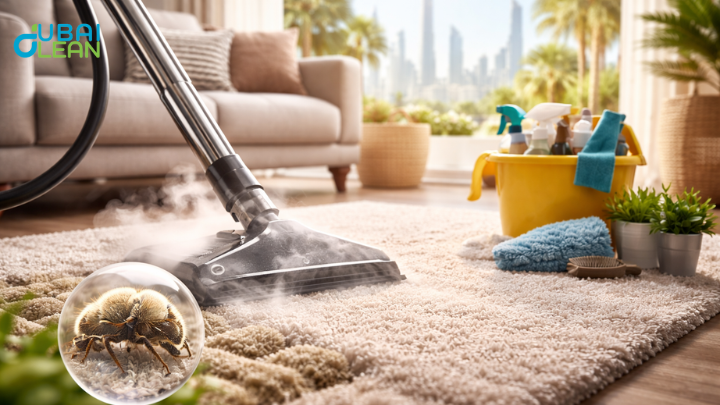
Dust mites, food crumbs, and sweat: further contribute to the problem by creating additional organic material for bacteria and mold to feed on. These microscopic particles not only intensify the odor but also reduce indoor air quality, releasing allergens and irritants into the living space. Over time, even regular vacuuming may not be enough to fully remove these hidden contaminants, making professional cleaning essential.
Evidence-based studies support the link: between odor buildup in sofas and declining air quality, highlighting that homes with untreated upholstery often experience higher levels of airborne allergens. The combination of mold spores, dust mites, and bacterial growth not only produces the characteristic musty smell but also poses health risks, particularly for children, the elderly, and individuals with respiratory sensitivities. Addressing these issues with expert cleaning methods ensures both a fresher-smelling sofa and a healthier indoor environment.
2. Air Quality from Sofas Affects Your Family’s Health
Poor indoor air quality caused by musty sofas can have a significant impact on your family’s health. Allergens, mold spores, and dust mites trapped in upholstery can trigger coughing, asthma irritation, and skin reactions. Addressing these odors quickly is essential to protect the well-being of children, the elderly, pets, and all household members.
Health Risks for Sensitive Family Members
Children, elderly individuals, and pets are particularly vulnerable to the effects of mold and dust mites. Prolonged exposure can lead to chronic respiratory issues, frequent allergic reactions, and weakened immune responses, making prompt sofa cleaning a critical preventive measure.
Mold and Allergen Exposure
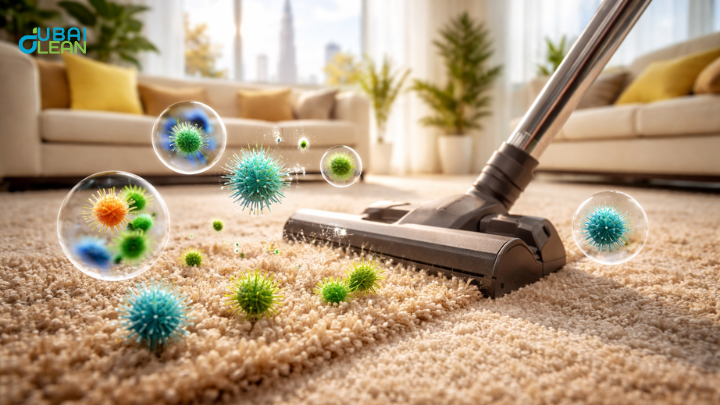
Mold growth in sofas not only produces a musty smell but also releases spores into the air, worsening indoor air quality. Dust mites feeding on accumulated debris and sweat further contribute to allergens, increasing the risk of skin irritation, coughing, and asthma flare-ups in sensitive individuals.
3. How to Know if Your Sofa Is Causing Poor Air Quality
If your sofa is contributing to poor indoor air quality, there are clear signs to watch for. Persistent musty odors, visible mold, and increased allergic reactions in the living room are all red flags. Even when regular cleaning or DIY deodorizing fails, these symptoms indicate that professional attention may be necessary.

| Sign | What It Indicates | Recommended Action |
| Persistent musty smell | Moisture or mold buildup inside the sofa | Schedule professional upholstery cleaning |
| Visible mold spots under cushions | Active mold growth | Deep cleaning with mold-neutralizing treatment |
| AC smell worsens when sitting on sofa | Sofa releasing trapped odors | Inspect and clean sofa thoroughly |
4. Why Musty Sofa Odors Are More Common in Dubai
Musty sofa odors are particularly common in Dubai due to a combination of climate, lifestyle, and home design factors. The city’s high humidity, coupled with tightly sealed indoor environments, creates the perfect conditions for mold and mildew to develop in sofas. Daily air conditioning usage can further trap moisture inside upholstery, while fabric sofas naturally absorb sweat, dust, and other debris. In many homes, slow-drying cushions and limited ventilation in smaller apartments exacerbate the problem, making odor buildup almost inevitable without proper care.
- High humidity in Dubai promotes mold and mildew growth in sofas
- Closed indoor environments trap moisture and reduce airflow
- Daily AC usage can create condensation inside furniture
- Fabric sofas absorb sweat, dust, and food particles over time
- Cushions and upholstery often dry slowly in humid conditions
- Small apartments and limited ventilation increase moisture retention
5. How to Stop Musty Sofa Odors from Returning
To prevent musty sofa odors from returning, Dubai homeowners can adopt several practical measures. Improving ventilation and using dehumidifiers during humid months helps reduce moisture buildup, while regular AC filter cleaning ensures airflow remains clean and dry. Monthly vacuuming of upholstery removes dust, allergens, and debris, and promptly addressing spills or sweat prevents odors from forming deep within the fabric. Whenever possible, sun-drying cushions can further eliminate trapped moisture, keeping your sofa fresh and your indoor air quality healthy.
Conclusion
Ignoring musty sofa odors can significantly compromise indoor air quality, exposing your family to allergens, mold, and bacteria that affect health and comfort. For Dubai homes, where humidity and AC use create ideal conditions for odor buildup, regular professional upholstery cleaning is essential to maintain a fresh and safe living environment. By addressing dubaiclean these issues promptly, you not only eliminate unpleasant smells but also protect your family’s well-being, ensuring cleaner air and a healthier home.