


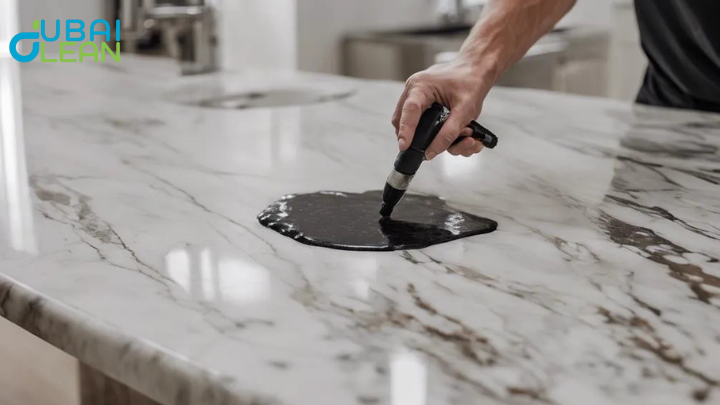
Marble is a classic and refined choice for flooring, adding a touch of elegance to both homes and businesses in Dubai. With its unique veining and silky finish, marble exudes sophistication. However, due to its porous composition, marble needs regular care to preserve its beautiful look. Sealing is one of the best ways to safeguard your marble floors, but does it make them waterproof and glossy? In this article, we’ll dive into the advantages of sealing marble, debunk some common myths, and show how this process can help maintain your floors’ beauty over time. Whether you’re aiming to protect your investment or elevate your space, understanding the importance of marble sealing is key.
1. What is Marble Sealing?
Marble is a natural stone admired for its beauty and durability, but its porous nature means it can absorb liquids and stains if not properly cared for. Sealing marble helps protect this exquisite material by forming a barrier that prevents damage. A marble sealer works by filling the stone’s pores, making it less prone to moisture, dirt, and other substances that could cause stains or discolouration over time.
There are two primary types of marble sealers: impregnating and topical. Impregnating sealers soak into the stone without changing its appearance, offering deep protection against water and oil-based stains while preserving the marble’s natural look. In contrast, topical sealers create a protective film on the surface, adding shine and helping to prevent spills from soaking in straight away.
While sealing does offer added protection against daily wear, it’s essential to note that it doesn’t make marble completely resistant to damage. Although it reduces the stone’s ability to absorb moisture and stains, liquids can still seep in if left on the surface for too long. To maintain optimal protection and keep your marble looking beautiful, it’s recommended to reapply sealers regularly. You can learn about the step-by-step marble polishing process.
2. Does Sealing Marble Make It Waterproof?
A common misconception is that sealing marble makes it completely waterproof. In reality, sealing improves marble’s resistance to moisture but doesn’t make it entirely immune. Marble is naturally porous, so liquids like water, oils, and acids can still penetrate if left too long. Sealing acts as a protective layer, giving you time to clean spills before they cause stains or damage.
How Sealing Protects Marble
Sealers work by filling the tiny pores in marble, reducing absorbency and slowing down liquid penetration. This protective barrier helps prevent short-term spills, like coffee or water, from immediately staining the stone. However, it’s not a permanent shield—prolonged exposure to liquids can still cause marks.
Maintaining Sealed Marble Surfaces
To keep marble looking pristine, regular sealing and proper care are essential. Wipe up spills promptly, avoid acidic cleaners, and reseal surfaces as recommended by the manufacturer. These steps ensure your marble remains elegant and durable over time.
3. Does Sealing Marble Make It Shiny?
Sealing marble is often linked to boosting its shine, but it’s important to differentiate between sealing and polishing. While sealing can improve the stone’s appearance and add a subtle sheen, it doesn’t create the same shine that polishing does.When you apply a sealer, it fills the marble’s pores, giving the surface a more even and slightly enhanced sheen. Some sealers, particularly topical ones, may add a glossy or satin finish, making the marble appear shinier. These types of sealers form a thin layer on the surface, reflecting light and lending a more lustrous look to the stone.
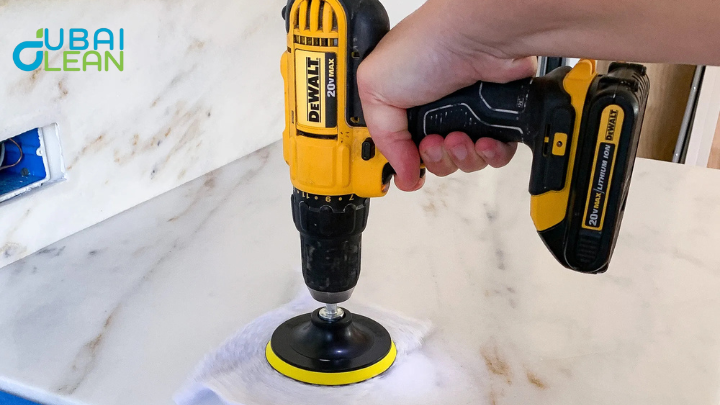
| Aspect | Effect of Sealing | Effect of Polishing |
|---|---|---|
| Shine Enhancement | Adds a subtle sheen by filling pores; some topical sealers can create a glossy or satin finish. | Creates a high-gloss, reflective surface by physically smoothing and buffing the marble. |
| Surface Protection | Provides a protective layer against water, stains, and minor wear. | Primarily improves appearance; may offer slight protection but not as effective as sealing. |
| Longevity of Finish | Enhances look temporarily; sheen may diminish over time and require reapplication. | Long-lasting shine when done properly; may require periodic maintenance to retain gloss. |
4. The Best Marble Sealer for Shine and Waterproofing
Top Sealers for Maximum Waterproofing and Shine: When it comes to protecting marble from water and stains while enhancing its natural beauty, StoneTech Professional BulletProof Sealer is a top choice. This deep-penetrating sealer forms a long-lasting barrier against water, oils, and stains, all while adding a subtle glossy finish. Its impregnation properties make it ideal for homeowners seeking both durability and shine.
High-Gloss Protection Options: For a high-gloss, wet-look finish, Tenax Marble Sealer delivers excellent waterproofing while enhancing the marble’s colours. Suitable for polished and honed surfaces, it provides a protective layer that resists water and other liquids, making it a versatile choice for different types of marble finishes. Similarly, Stonetech Enhancer Pro Sealer adds a rich shine and deepens natural tones, offering both aesthetic appeal and moisture resistance.
Natural Finish with Water Resistance: If you prefer a more natural look, Miracle Sealants 511 Impregnator Sealer offers durable protection against water and stains without significantly altering the marble’s appearance. For high-traffic areas needing extreme water resistance, Aqua Mix Sealer’s Choice Gold provides a satin-like finish while keeping marble safe from moisture and spills. These sealers ensure long-lasting waterproofing while maintaining your marble’s elegance
5. The Step-by-Step Process of Sealing Marble Floors
Sealing marble floors is essential to protect them from stains, moisture, and wear while enhancing their natural beauty. Although the process is straightforward, proper preparation and careful application are key to achieving long-lasting results. Following a systematic approach ensures even coverage, maximum protection, and a polished finish that preserves your marble’s elegance. With the right technique, you can maintain your marble’s shine and durability for years.
- Clean the Surface Thoroughly: Sweep or vacuum the area, then use a pH-neutral cleaner with a soft cloth or sponge to remove dust, dirt, and oils. Rinse and dry completely.
- Ensure the Surface Is Dry: Let the marble air dry for at least 24 hours to ensure proper adhesion of the sealer.
- Test the Sealer: Apply a small amount on an inconspicuous area to check for any discoloration or changes in finish.
- Choose the Right Applicator: Use a lint-free cloth, sponge, or brush depending on the surface area and intricate spots.
- Apply the Sealer Generously: Spread a thin, even layer over small sections, avoiding pouring directly onto the marble.
- Let the Sealer Absorb: Allow 10–15 minutes for the sealer to penetrate the marble for maximum protection.
- Wipe Off Excess Sealer: Remove any leftover sealer with a clean, dry cloth to prevent streaks or residue.
- Allow the Sealer to Dry: Let the marble dry completely, typically 1–2 hours, and cure for 24 hours before use.
- Apply a Second Coat (If Needed): For extra protection, especially in high-traffic areas, repeat the application following the same steps.
Conclusion
Sealing marble floors is essential for protecting their beauty, durability, and longevity. While it doesn’t make marble completely waterproof, it greatly enhances resistance to moisture, stains, and everyday wear, while also preserving a subtle shine. Choosing the right sealer whether for water resistance or enhancing gloss is key to safeguarding your investment, and regular maintenance, including reapplication, ensures your surfaces remain pristine. By following proper sealing and care practices, you can keep marble floors, countertops, and other surfaces looking as stunning as the day they were installed, preserving the timeless elegance and charm that marble adds to any space.