



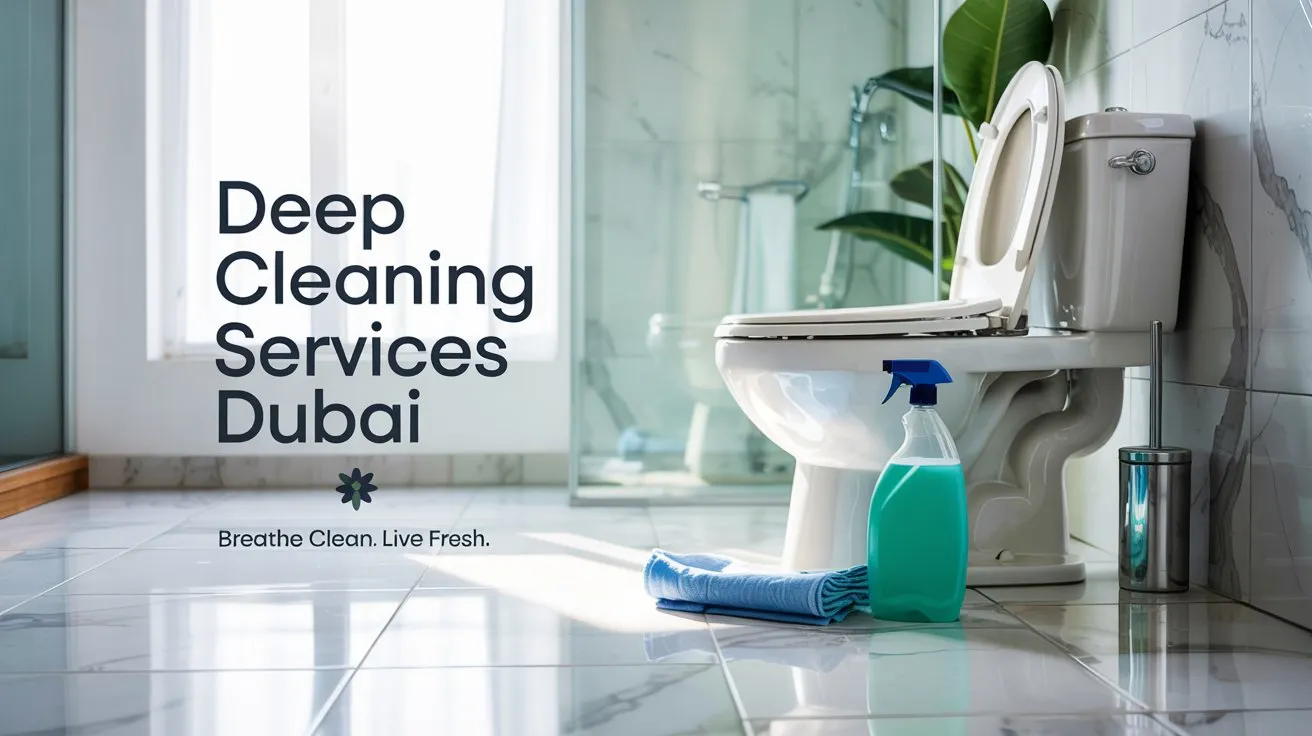
A clean bathroom is more than just visually appealing it’s essential for maintaining hygiene and a healthy home environment. Over time, soap scum, grime, and bacteria can accumulate in hidden corners, making regular surface cleaning insufficient. A thorough deep cleaning not only removes stubborn dirt but also disinfects surfaces, prevents mold and mildew, and keeps your bathroom fresh and safe for daily use. This step-by-step guide will help you tackle every area efficiently, ensuring a sparkling and sanitary space.
1. Why Deep Cleaning in Bathroom Matters in Dubai
Dubai’s hot, humid climate makes bathrooms one of the fastest places for bacteria, mold, and unpleasant odors to build up. Daily surface cleaning is not enough to tackle hidden dirt, hard water stains, and germs that settle in tiles, grout, and drains. Deep bathroom cleaning ensures a healthier living space, protects your fixtures, and keeps your home fresh, hygienic, and comfortable especially in Dubai’s unique weather conditions.
Dubai’s Humidity Encourages Mold & Bacteria Growth
High humidity levels in Dubai create the perfect environment for mold, mildew, and harmful bacteria to thrive in bathrooms. These germs often hide behind tiles, inside grout lines, and around shower corners where regular cleaning can’t reach. Deep cleaning removes these hidden contaminants, helping prevent respiratory issues, allergies, and unpleasant smells while maintaining a healthier indoor environment.
Hard Water Stains Damage Bathroom Surfaces
Dubai’s water supply is rich in minerals, which leads to stubborn limescale and hard water stains on taps, showerheads, glass partitions, and tiles. Over time, these deposits can dull surfaces and even cause permanent damage if not treated properly. Deep bathroom cleaning uses specialized methods to remove mineral buildup, restoring shine and extending the life of your bathroom fittings.
Hygiene & Comfort for Daily Family Use
Bathrooms are high-traffic areas used by every family member, making hygiene a top priority. Germs can easily spread through shared surfaces like toilets, sinks, and door handles. Deep cleaning disinfects all touchpoints thoroughly, ensuring a safer, fresher, and more comfortable bathroom experience—especially important for families with children, elderly members, or guests.
2. How Often Should You Deep Clean Your Bathroom?
Maintaining a sparkling and hygienic bathroom requires more than just quick surface cleaning. While wiping down sinks and counters daily helps, deep cleaning tackles the hidden grime, bacteria, and buildup that accumulate over time. How often you should perform this thorough cleaning depends on usage, number of occupants, and the bathroom’s ventilation. Regular deep cleaning not only enhances hygiene but also preserves the lifespan of fixtures and prevents mold or mildew growth.
Family Bathrooms
Bathrooms that are used multiple times a day by several family members require more frequent attention. In such high-traffic spaces, moisture, soap scum, and bacteria accumulate quickly on surfaces like sinks, showers, toilets, and tiles. Deep cleaning these bathrooms every two to three weeks ensures that grime doesn’t become stubborn or lead to mold growth. Consistently maintaining these spaces also prevents odors, keeps tiles and grout looking fresh, and reduces the need for harsh chemicals or labor-intensive scrubbing later. It’s not just about cleanliness it’s about protecting the health of everyone in the household.
Guest Bathrooms
Guest bathrooms or powder rooms, which see occasional use, do not require as frequent deep cleaning. A thorough cleaning once every one to two months is generally sufficient. Even with minimal usage, dust, humidity, and stagnant air can cause dull surfaces, grime buildup, and potential mold spots in hidden corners. Deep cleaning these areas periodically ensures that the space is ready for visitors at any time and prevents problems from escalating. Regular maintenance in these bathrooms also preserves the appearance of fixtures and prevents long-term damage caused by neglect.
Humid Bathrooms
Bathrooms in humid climates or with limited ventilation require extra care and more frequent deep cleaning. Even if they are used less often, the excess moisture in the air accelerates mold, mildew, and limescale formation, especially on grout, tiles, and fixtures. Deep cleaning every two weeks or more frequently in such conditions not only eliminates germs and grime but also protects surfaces from water damage, unpleasant odors, and costly repairs. Maintaining these bathrooms properly ensures a healthier environment, extends the life of tiles and fixtures, and keeps the entire space feeling fresh and inviting.
3. Bathroom Deep Cleaning Tools & Supplies
Deep cleaning your bathroom is easier and more effective when you have the right tools and supplies on hand. These items help remove stubborn grime, disinfect surfaces, and keep every corner sparkling clean from tiles and toilets to sinks and mirrors.
- Scrub Brush: Sturdy bristles reach grout lines, corners, and textured surfaces for deep grime removal.
- Microfiber Cloths: Smooth and absorbent for wiping mirrors, taps, and countertops without streaking.
- Toilet Brush: Designed to clean hard-to-reach areas inside the toilet bowl.
- Grout Brush: Narrow, rigid bristles help clean dirt and mold from grout lines between tiles.
- Squeegee: Removes water and soap scum from shower glass and tiles to prevent buildup.
- Spray Bottles: Great for mixing and applying homemade cleaning solutions evenly.
- Rubber Gloves: Protect your skin from harsh chemicals and hot water during cleaning.
4. Step-by-Step Guide to Deep Cleaning Your Bathroom
Deep cleaning your bathroom doesn’t have to feel overwhelming when you follow a clear, structured process. A step-by-step approach ensures every surface is properly sanitized, hidden dirt is removed, and your bathroom stays hygienic, fresh, and visually appealing for longer.
| Step | Area to Clean | Action |
|---|---|---|
| 1 | Declutter | Remove items like towels, rugs, and toiletries. |
| 2 | Apply Cleaner | Spray all surfaces to loosen dirt and germs. |
| 3 | Scrub Shower & Tub | Remove soap scum, mold, and stains. |
| 4 | Clean Sink & Counter | Wipe basins, faucets, and counters thoroughly. |
| 5 | Clean Toilet | Disinfect bowl, seat, and high-touch areas. |
| 6 | Tiles & Grout | Brush and clean grout lines and tiles. |
| 7 | Mirrors & Glass | Wipe for a streak-free shine. |
| 8 | Floors & Drains | Mop and clear to remove dirt and bacteria. |
| 9 | Rinse & Dry | Rinse surfaces if needed and dry completely. |
| 10 | Replace & Ventilate | Put items back and ventilate the bathroom. |
5. Common Bathroom Cleaning Mistakes to Avoid
Even with regular cleaning, certain mistakes can reduce hygiene, damage surfaces, or make your bathroom look less fresh. Being aware of these pitfalls ensures your cleaning efforts are effective and long-lasting.
Using the Wrong Cleaners: Many people use harsh or inappropriate chemicals on tiles, countertops, or fixtures, which can cause discoloration, corrosion, or weakened grout over time. Always check labels and choose cleaners suited for each surface.
Skipping Hard-to-Reach Areas: orners, behind toilets, under sinks, and shower tracks often get overlooked. Neglecting these spots allows mold, mildew, and bacteria to accumulate, reducing overall cleanliness.
Not Ventilating Properly: Failing to ventilate the bathroom during and after cleaning traps moisture, promoting mold growth and lingering odors. Always open windows or use exhaust fans to keep the space dry and fresh.
Conclusion
Deep cleaning your bathroom is essential for maintaining a healthy, hygienic, and visually appealing space. By following a proper step-by-step routine, using the right tools, and avoiding common mistakes, you can prevent mold, bacteria, and stubborn grime from accumulating. Regular deep cleaning not only protects your family’s health but also extends the life of your fixtures and surfaces, keeping your bathroom fresh, sparkling, and comfortable for everyday use.