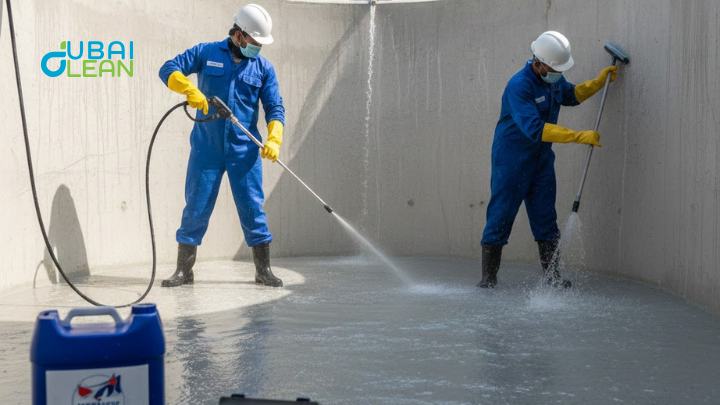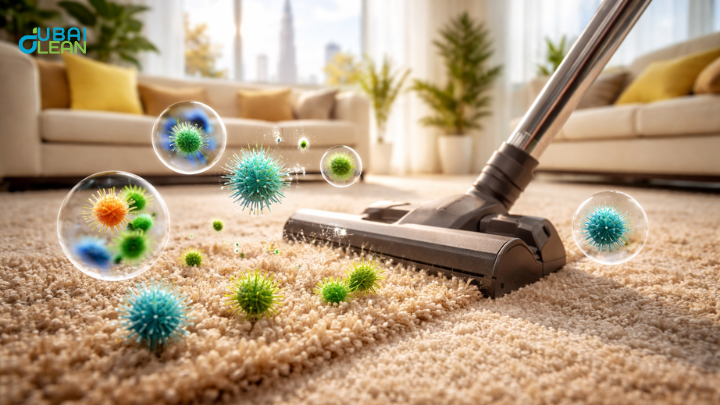



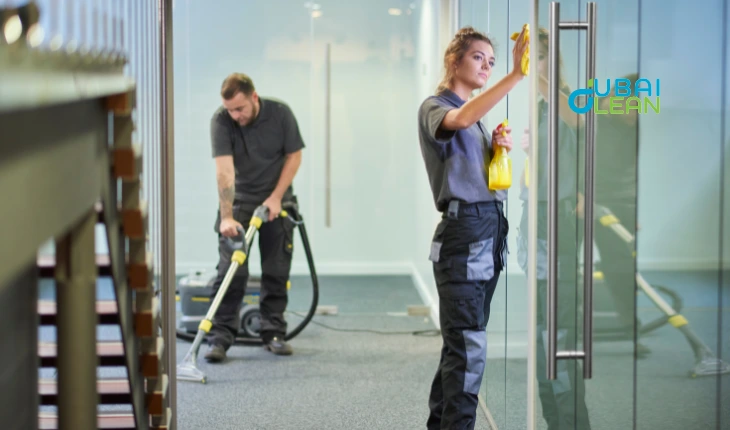
Deep cleaning is a detailed process that goes beyond routine dusting and mopping. It focuses on hidden corners, behind furniture, and deep inside appliances where dirt, grime, and germs usually build up. Unlike basic cleaning, which only handles visible mess, deep cleaning ensures every part of your space feels fresh, sanitized, and hygienic.
The reason deep cleaning is more effective than regular cleaning is that it targets areas often ignored in daily upkeep. Regular cleaning may keep surfaces tidy, but deep cleaning removes stubborn stains, bacteria, and allergens. This not only improves the overall look of your space but also boosts air quality and creates a healthier environment for everyone.
Whether it’s a home, office, or commercial property, deep cleaning offers lasting benefits. In homes, it helps protect families from germs and reduces allergies while extending the life of furniture and appliances. Offices benefit from a healthier and more productive work environment, while commercial spaces such as restaurants, gyms, and schools maintain higher hygiene standards, which is essential for safety and reputation.
Importance of Deep Cleaning
Deep cleaning is essential for maintaining a healthy and safe environment. It removes hidden dust, germs, and allergens that regular cleaning often misses, improves indoor air quality, and reduces the risk of illnesses. Additionally, it helps extend the life of furniture, appliances, and surfaces, keeping your home, office, or commercial space fresh, safe, and well-maintained.
Health Benefits: Removing Dust, Germs, and Allergens
Deep cleaning goes beyond surface dusting by targeting hidden dust, germs, and allergens that can trigger allergies, respiratory issues, and other health problems. Thoroughly cleaning high-touch areas and neglected corners ensures a safer and healthier environment for your family, employees, or customers.
Enhancing Air Quality and Reducing Illness Risks
Over time, dust, pet dander, and mold can accumulate and pollute indoor air. Deep cleaning removes these harmful particles, improving air quality and reducing the risk of illnesses. This is particularly important in spaces with children, elderly individuals, or people with respiratory sensitivities.
Extending the Life of Furniture, Appliances, and Surfaces
Dirt, grease, and grime can slowly damage furniture, appliances, and other surfaces. Regular deep cleaning preserves their appearance and functionality, preventing wear and tear. This not only saves money on repairs or replacements but also keeps your home, office, or commercial space looking fresh and well-maintained.
Areas Covered in Deep Cleaning
Deep cleaning targets every part of your home, office, or commercial space. In the kitchen, it removes grease and dirt from hoods, cabinets, and appliances. Bathrooms are sanitized to eliminate mold, limescale, and bacteria. Living rooms and bedrooms receive dusting, vacuuming, and upholstery cleaning, while offices and commercial areas are thoroughly disinfected, including workstations, meeting rooms, and common spaces.
Kitchen
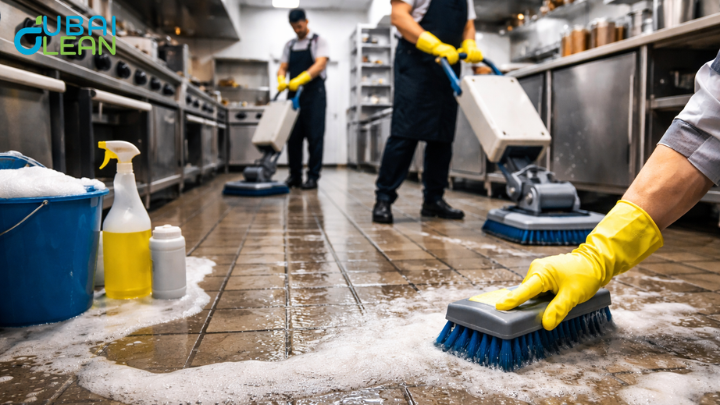
The kitchen is one of the most used areas in any home or commercial space, and it can quickly accumulate grease, food residue, and hidden dirt. Deep cleaning involves thoroughly cleaning exhaust fans, kitchen hoods, cabinets, countertops, and other surfaces to remove grime and bacteria, ensuring a hygienic cooking environment.
Bathroom
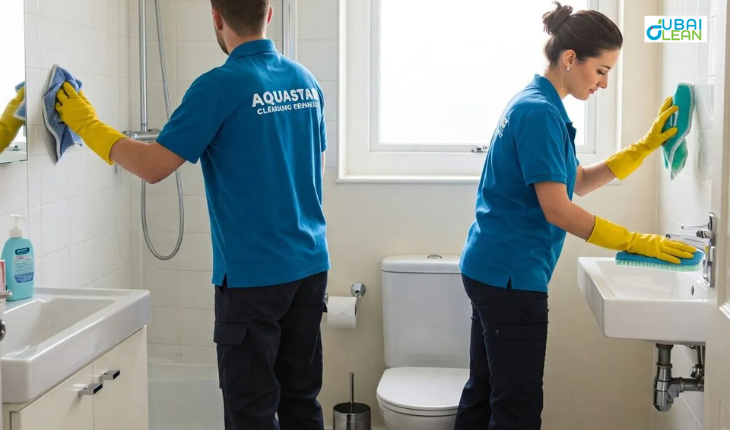
Bathrooms are prone to mold, limescale, and bacteria build-up, which can cause health issues if left unchecked. Deep cleaning focuses on scrubbing tiles, sinks, showers, toilets, and drains, eliminating stubborn stains and germs to maintain a fresh, sanitary space.
Living Room & Bedrooms
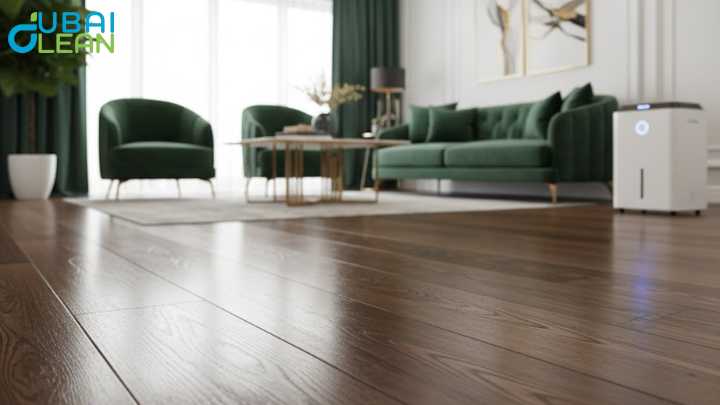
Dust, dirt, and allergens can hide in carpets, curtains, and upholstery. Deep cleaning includes vacuuming, dusting, and sanitizing furniture, mattresses, rugs, and drapes to create a healthier and more comfortable living environment.
Office & Commercial Spaces
Offices and commercial spaces require thorough cleaning to maintain hygiene and professionalism. Deep cleaning sanitizes workstations, meeting rooms, common areas, and high-touch surfaces, helping prevent illness and ensuring a clean, welcoming environment for employees and visitors.
Methods & Techniques of Deep Cleaning
Deep cleaning uses a variety of effective techniques to ensure every surface is spotless and hygienic. Steam cleaning removes stubborn stains and kills bacteria, while disinfection and sanitization eliminate germs and viruses. Carpet and upholstery shampooing keeps fabrics fresh, and high-touch surfaces like doorknobs and switches are thoroughly cleaned to prevent the spread of illness.
Steam Cleaning
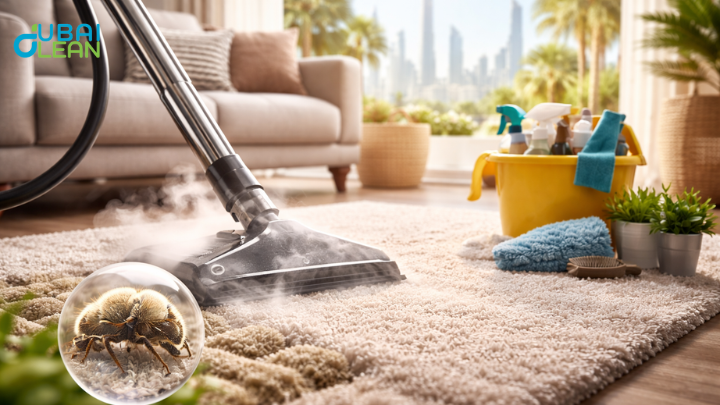
Steam cleaning uses high-temperature steam to remove dirt, stains, and bacteria from surfaces. It is chemical-free, eco-friendly, and highly effective for sanitizing kitchens, bathrooms, carpets, and upholstery, leaving areas fresh and hygienic.
Disinfection & Sanitization
Disinfection is a key part of deep cleaning, as it kills harmful germs, viruses, and bacteria that can cause illnesses. Sanitizing high-touch surfaces like counters, sinks, and handles ensures a safe and healthy environment for everyone.
Carpet & Upholstery Shampooing
Shampooing carpets and upholstery removes embedded dust, dirt, and stains, keeping fabrics clean and fresh. Regular deep cleaning of these items prolongs their lifespan and maintains a pleasant, allergen-free indoor space.
High-touch Surface Cleaning
High-touch surfaces such as doorknobs, light switches, shared equipment, and railings are hotspots for germs. Deep cleaning focuses on these areas to prevent the spread of bacteria and maintain a safe, hygienic environment.
Benefits of Professional Deep Cleaning
Professional deep cleaning saves time and effort while ensuring every area is thoroughly sanitized. Experts use advanced tools and eco-friendly products to remove hidden dirt, stubborn stains, and germs, leaving homes, offices, and commercial spaces fresh, safe, and well-maintained.
Time-Saving and Hassle-Free
Hiring professional cleaners saves you time and effort. Experts handle every corner of your home, office, or commercial space efficiently, allowing you to focus on work or family while enjoying a thoroughly cleaned environment.
Use of Eco-Friendly Cleaning Products
Professional deep cleaning services often use eco-friendly and safe cleaning products. These reduce the risk of chemical exposure, protect surfaces and fabrics, and are better for the environment while still delivering a spotless and hygienic result.
Expertise and Advanced Tools for Thorough Results
Professional cleaners have the experience and specialized tools to reach hidden dirt and stubborn stains that regular cleaning cannot. Their expertise ensures that every area, from carpets and upholstery to high-touch surfaces, is sanitized and maintained to the highest standards.
Tips for Maintaining Cleanliness After Deep Cleaning
To keep your space fresh after a deep clean, follow simple daily and weekly habits like dusting, sweeping, and wiping surfaces. Use safe, eco-friendly cleaning products and regularly sanitize high-touch areas such as doorknobs, switches, and railings to prevent germs and maintain a healthy environment.
Daily and Weekly Cleaning Habits
Maintaining cleanliness starts with simple daily and weekly routines. Regular dusting, sweeping, and wiping surfaces prevent dirt and grime from building up, making future deep cleaning easier and more effective.
Using Safe, Eco-Friendly Cleaning Solutions
Choose cleaning products that are safe for your family, pets, and the environment. Eco-friendly solutions reduce exposure to harsh chemicals while still keeping your home, office, or commercial space clean and hygienic.
Regular Sanitization of High-Touch Surfaces
High-touch surfaces like doorknobs, switches, railings, and shared equipment can harbor germs. Regular sanitization of these areas helps prevent the spread of bacteria and viruses, keeping your space safe and healthy.
Dangers & Safety Considerations in Deep Cleaning
Deep cleaning involves certain risks if not done carefully. Strong chemicals can irritate skin or eyes, wet floors may cause slips, and poor ventilation can lead to breathing problems. Electrical hazards and cross-contamination are also concerns, so it’s important to follow safety measures and use proper tools while cleaning.
Chemical Hazards
Strong cleaning agents can cause skin irritation, burns, or eye damage if not handled properly. Always follow instructions, wear gloves, and avoid mixing chemicals to reduce health risks.
Electrical Hazards
Cleaning near electrical outlets, cords, or appliances can be dangerous. Ensure power is off when cleaning around electronics and avoid using water near live connections to prevent shocks or electrocution.
Slips & Falls
Wet floors or spilled cleaning solutions increase the risk of slips and falls. Use caution signs, wear non-slip shoes, and clean up spills immediately to maintain a safe environment.
Improper Ventilation
Strong chemical fumes can cause breathing difficulties, dizziness, or headaches. Always ventilate rooms properly by opening windows or using fans when using harsh cleaning products.
Cross-Contamination
Using the same clothes, mops, or tools across multiple areas can spread germs and bacteria. Always use separate cleaning tools for different surfaces and sanitize them after use to maintain hygiene.
Conclusion
Deep cleaning is essential for maintaining a healthy, safe, and comfortable environment in homes, offices, and commercial spaces. It removes hidden dirt, germs, and allergens, improves air quality, and extends the life of furniture, appliances, and surfaces. By following proper techniques and safety measures-or hiring professional services-you can ensure a thorough, efficient, and safe cleaning process. Choosing experienced cleaners not only saves time and effort but also guarantees that every corner of your space is hygienic, fresh, and well-maintained, providing peace of mind for you and everyone who uses the space.