


Walking into your Dubai home after a day out, only to feel like you’re stepping into a warm, damp cloud? That sticky, uncomfortable feeling isn’t just the heat – it’s humidity wreaking havoc on your indoor comfort. While most residents focus on temperature settings, they often overlook how their air conditioning system can be their best weapon against Dubai’s notorious moisture levels.
Here’s what most people don’t realize: your AC doesn’t just cool the air – it’s designed to remove moisture from it. Understanding how to leverage this capability can transform your living space from uncomfortably muggy to pleasantly dry, even during Dubai’s most humid months.
Understanding Dubai’s Humidity Challenge
Dubai’s average humidity hovers around 60%, but during the summer months, it can spike between 70-90% in coastal areas. The National Centre of Meteorology often issues weather warnings when relative humidity peaks between 70 and 90 percent in coastal and internal areas.
What makes this particularly challenging for residents is that humidity levels can range from 40% to 80%, depending on the time of year and weather conditions, with the highest levels typically experienced during summer when temperatures are at their peak.
The coastal location means moisture from the Gulf constantly feeds into the air, while the desert climate creates dramatic temperature swings that affect how that moisture behaves indoors.
How Your AC System Removes Humidity
Most homeowners think their air conditioner only cools, but the dehumidification process is equally important. Here’s the technical reality: as warm, humid air passes over your AC’s evaporator coils, the moisture condenses into water droplets – just like how a cold drink “sweats” on a humid day.
This condensed water drains away through your AC’s drainage system, effectively pulling moisture out of your indoor air. The process happens automatically, but many Dubai residents unknowingly sabotage this natural dehumidification by making common temperature and settings mistakes.
The key insight most people miss: your AC removes the most moisture when there’s a significant temperature difference between the incoming air and the evaporator coils. This is why understanding proper temperature settings is crucial for dealing with high humidity levels.
Common Mistakes That Reduce Dehumidification
Setting the temperature too low, too quickly: Many residents blast their AC to 16°C, thinking it will remove humidity faster. This creates the opposite problem – the system cools the air so rapidly that it doesn’t have enough time to properly extract moisture. You end up with cold, clammy air instead of comfortable, dry air.
Constantly adjusting the thermostat: Frequent temperature changes prevent your system from establishing a proper dehumidification cycle. Industry standards for “Comfort Cooling” are generally 23°C ± 3°C at 50% Relative Humidity, but achieving this requires consistent operation.
Using the wrong fan settings: Running your AC fan on “high” all the time might seem logical, but it can reduce dehumidification. When air moves too quickly over the coils, there’s less contact time for moisture removal.
Ignoring the “auto” mode: Many Dubai residents avoid auto mode, thinking manual control is better. However, auto mode optimizes both cooling and dehumidification cycles based on actual indoor conditions.
Optimal Settings for Humidity Control in Dubai Homes
Temperature sweet spot: 22-24°C: This range provides excellent dehumidification while maintaining comfort. Going lower doesn’t significantly improve moisture removal but dramatically increases energy consumption.
Use “auto” fan mode: Let your system cycle between different fan speeds. This allows for proper moisture extraction during slower speeds and efficient cooling during higher speeds.
Set it and forget it: Choose your target temperature and resist the urge to constantly adjust. Consistent operation allows your AC to establish proper humidity control patterns.
Consider the “dry” mode: Many modern AC units in Dubai come with a dedicated dry mode that prioritizes dehumidification over cooling. This setting is particularly effective during shoulder months (April-May, September-October) when humidity is high but temperatures are more moderate.
The Dubai-Specific Factors You Need to Know
Morning humidity spikes: Dubai’s coastal location means humidity often peaks in early morning hours. Running your AC 30 minutes before you typically wake up helps establish proper indoor conditions before the day’s heat builds.
Apartment vs. villa considerations: High-rise apartments often face different humidity challenges than ground-level villas. Upper floors may experience more temperature fluctuations, while villas deal with ground moisture and larger spaces that require different strategies.
Sandstorm aftermath: After Dubai’s occasional sandstorms, humidity levels can spike as moisture gets trapped by airborne particles. Your AC will work harder during these periods, and you may need to clean filters more frequently.
Signs Your AC Isn’t Handling Humidity Properly
Watch for these indicators that your system needs attention:
- Condensation forming on windows or mirrors inside your home
- That “sticky” feeling, even when the temperature feels right
- Humidity is measured at 70-75%, which feels uncomfortable at times
- Musty odors that suggest moisture isn’t being properly removed
- Difficulty reaching your desired temperature despite the AC running constantly
When to Consider Additional Dehumidification Support
While your AC should handle most humidity control, certain Dubai homes may benefit from supplementary approaches:
Older AC systems (over 8-10 years) may have reduced dehumidification capacity due to coil efficiency decline.
Oversized systems cool spaces too quickly without adequate moisture removal time.
Homes with poor insulation constantly battle external moisture infiltration.
Properties near the coast or water features face persistent humidity challenges that may exceed standard AC capabilities.
The Energy Efficiency Connection
Here’s what most Dubai residents don’t realize: proper humidity control actually reduces your overall energy consumption. When indoor air is at the right moisture level, you feel comfortable at higher temperatures. This means you can set your thermostat 2-3 degrees higher while maintaining the same comfort level.
AC systems not only cool down the house but also remove humidity that could form due to condensation, which prevents mould spreading while protecting electronic items and furniture from being exposed to high temperatures.
Maintenance Matters for Humidity Control
Your AC’s ability to remove moisture depends heavily on clean, efficient operation:
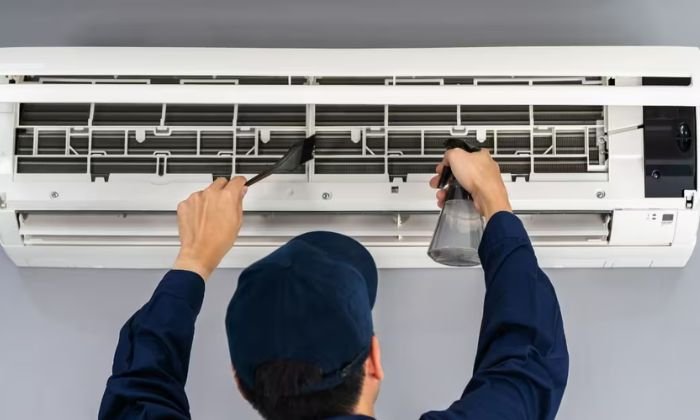
Clean filters monthly during peak season – dirty filters reduce airflow and moisture removal capacity.
Annual coil cleaning ensures maximum surface area for condensation.
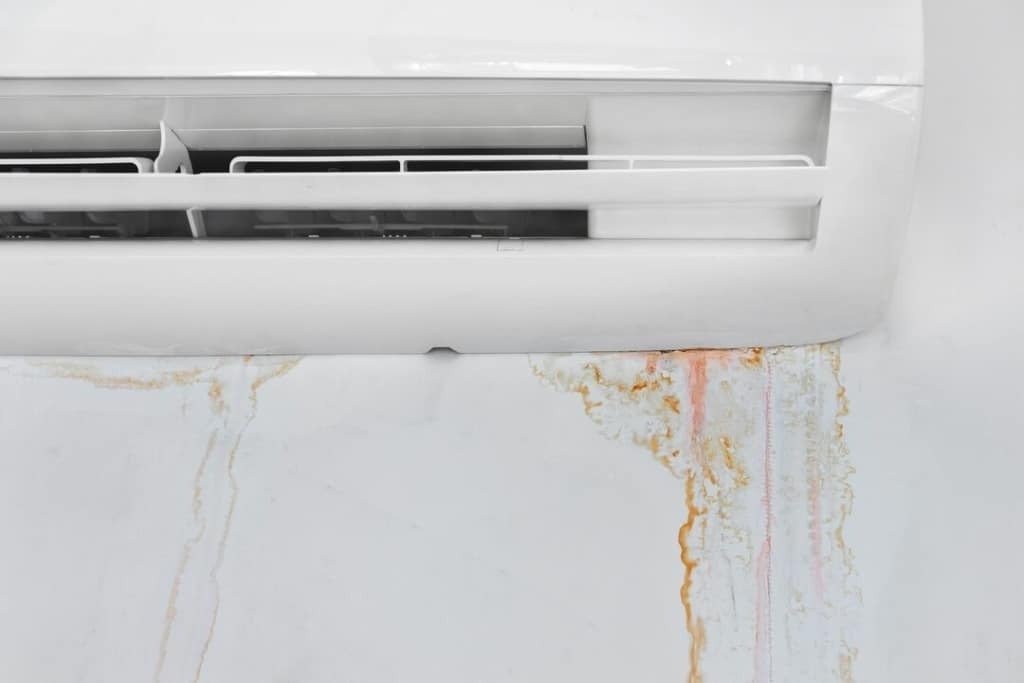
Drainage system maintenance prevents water backup that can reduce dehumidification efficiency.
Refrigerant level checks maintain optimal temperature differentials needed for moisture extraction.
Making It Work for Your Dubai Lifestyle
The reality is that dealing with high humidity levels requires a strategic approach rather than just cranking up the AC. Understanding how your system removes moisture – and optimizing those conditions – creates a more comfortable home environment while managing energy costs.
Start with consistent temperature settings in the 22-24°C range, use auto mode, and give your system time to establish proper dehumidification cycles. Pay attention to how your home feels rather than just the temperature reading on your thermostat.
Remember that your AC is already designed to handle Dubai’s humidity challenges – it just needs to be used correctly. With the right approach, you can transform even the most humid days into comfortable indoor conditions without fighting a losing battle against the Gulf’s moisture.