


GRP (Glass Reinforced Plastic) water tanks are strong, durable, and corrosion-resistant, making them ideal for safe potable water storage. Lightweight yet long-lasting, their smooth inner surface prevents algae, rust, and contamination. With proper installation, high-quality GRP lining, and regular maintenance, these tanks ensure clean, fresh water while maximizing lifespan and performance for both residential and commercial use.
1. GRP Potable Water Tank Dubai
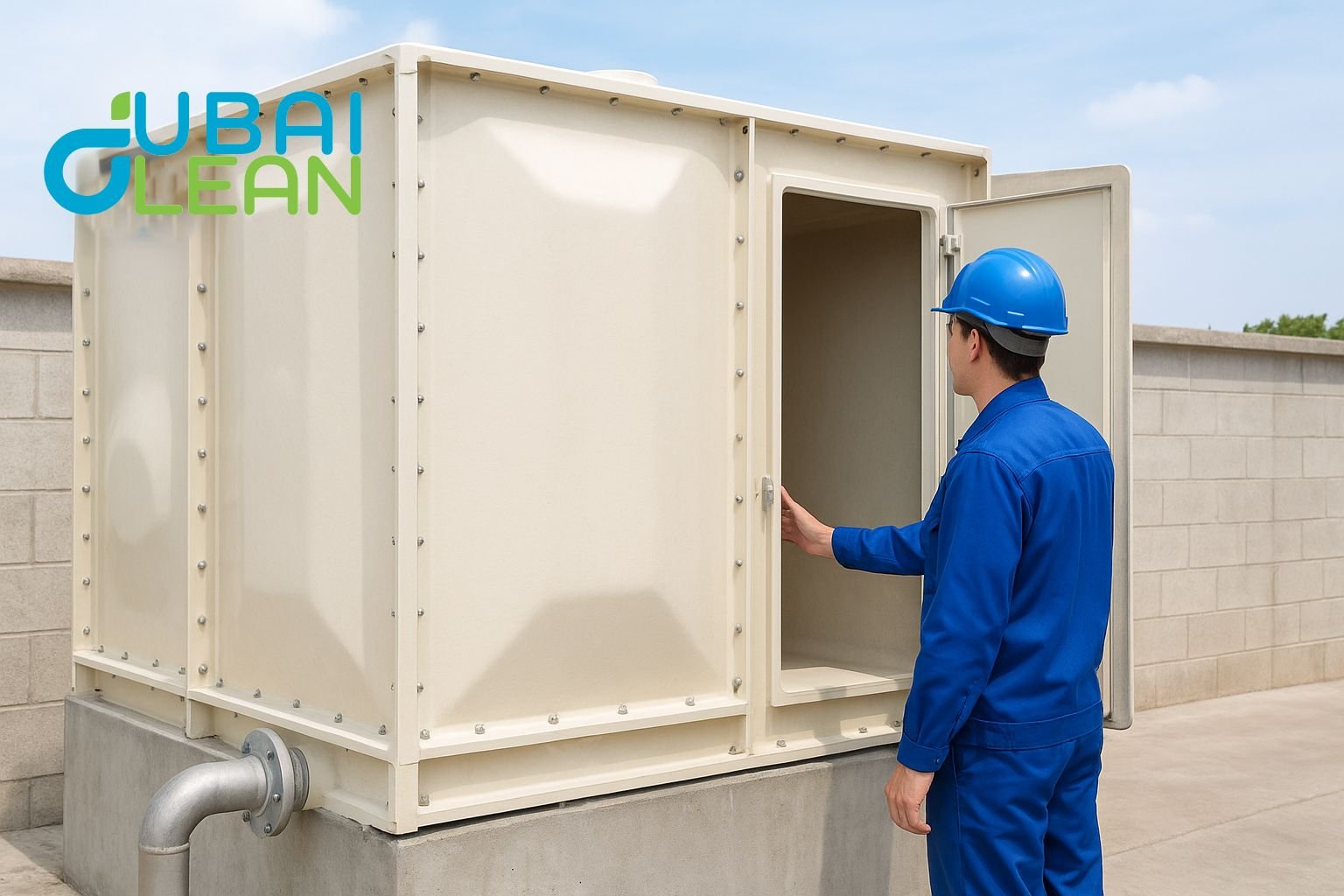
GRP (Glass Reinforced Plastic) potable water tanks are specially designed to store drinking water safely. Made from food-grade, corrosion-resistant materials, these tanks prevent bacteria, algae, and rust buildup, keeping water clean and fresh. Their strong yet lightweight structure makes them easy to install while ensuring long-term durability. GRP tanks are also resistant to heat and UV damage, maintaining water quality even under harsh conditions. With minimal maintenance, they provide a reliable and hygienic water storage solution for homes, villas, and commercial buildings.
What Makes a Tank “Potable”?
A potable water tank is designed to safely store drinking water without allowing contamination, odor, or harmful chemicals to mix with the supply. These tanks use food-grade materials, have a smooth interior surface, and prevent bacteria, algae, or rust from building up. The goal is to keep water clean, safe, and suitable for consumption at all times.
Benefits of Using GRP Tanks for Drinking Water
GRP tanks are highly suitable for drinking water because they do not corrode, do not react with the water, and provide long-term hygiene. Their smooth surfaces prevent sediment buildup, while the fiberglass structure keeps the tank strong without adding weight. They also reduce the risk of chemical leaching, ensuring the stored water tastes fresh and stays safe for households and commercial use.
2. GRP Lining for Water Tank
GRP lining, or Glass Reinforced Plastic lining, is a protective coating applied inside water tanks to improve durability and hygiene. It creates a smooth, non-porous surface that prevents rust, leaks, and bacterial growth. This lining keeps water clean, fresh, and safe for use while extending the tank’s lifespan. It is a simple yet effective way to maintain water quality and protect the tank structure.
When Does a Water Tank Need GRP Lining?
A water tank may require GRP lining if it shows signs of wear, such as cracks, rust, or water contamination. Older tanks made from metal or concrete are more prone to leakage and bacterial growth, making GRP lining an effective solution. It is also recommended for newly installed tanks to ensure long-term water safety.
Advantages of GRP Lining for Water Safety
GRP lining improves water quality by creating a smooth, chemical-resistant interior that prevents algae and sediment buildup. It enhances the tank’s strength, prevents leaks, and protects against temperature fluctuations. Overall, it ensures safe drinking water while reducing maintenance and repair costs over time.
3. GRP Water Tank Lifespan
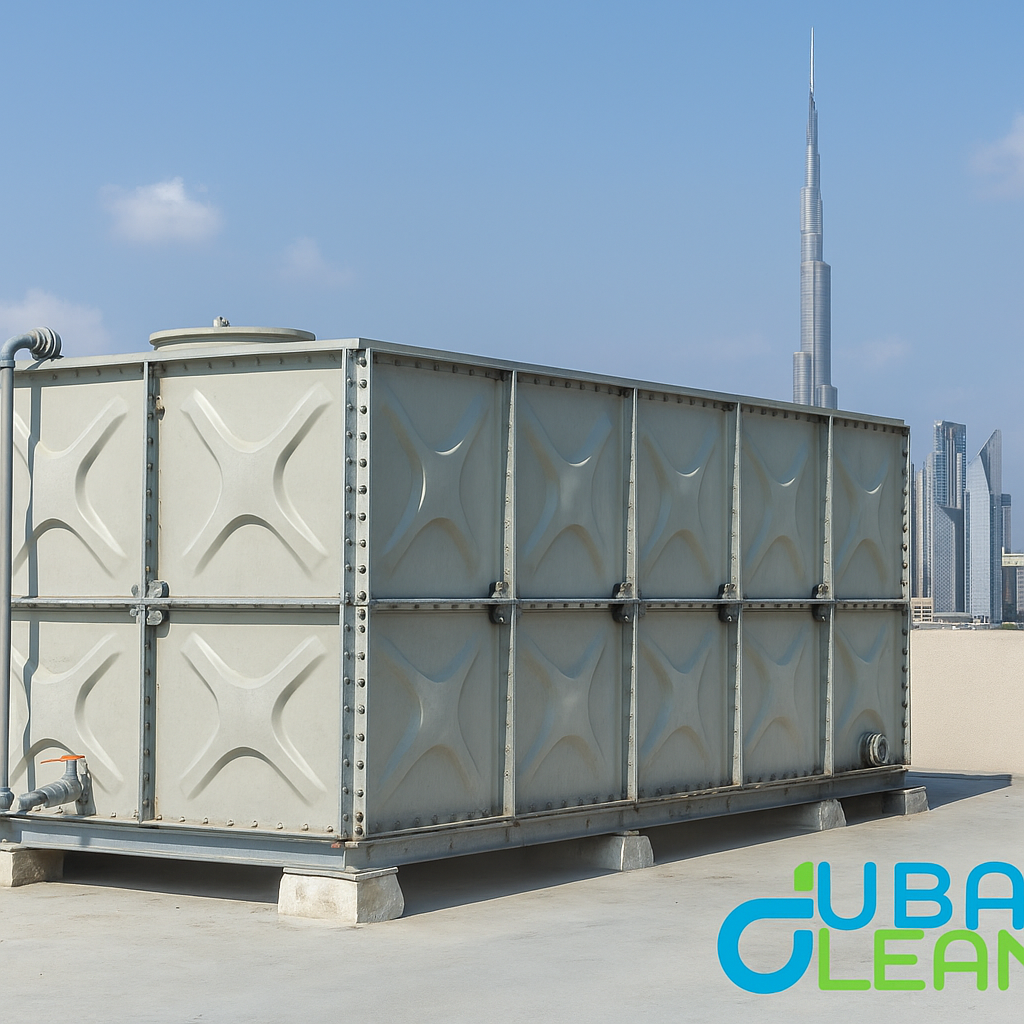
GRP water tanks are highly durable and can last many years with proper care. Their fiberglass-reinforced structure resists corrosion, cracks, and harsh weather, making them reliable for long-term water storage. Regular cleaning, inspections, and timely repairs help maintain water quality and extend the tank’s life. Investing in a quality GRP tank ensures safe, hygienic water for everyday use.
Average Lifespan of GRP Tanks
GRP water tanks are known for their long-lasting durability, typically lasting 15 to 25 years with proper care. Their corrosion-resistant fiberglass structure and strong resin coating help them withstand harsh conditions without cracking or rusting. Choosing high-quality GRP tanks ensures that they remain reliable for many years.
Maintenance Tips to Extend Lifespan
Regular cleaning, routine inspections, and timely repairs can significantly extend a GRP tank’s lifespan. Avoid exposing the tank to direct sunlight for prolonged periods, and check for leaks or cracks frequently. Ensuring proper GRP lining and maintaining clean water inside the tank also prevent damage and contamination.
Common Problems and When to Replace Your Tank
Over time, tanks may develop cracks, leaks, or signs of lining wear, which can compromise water quality. Persistent contamination, unusual odors, or frequent repairs are indicators that replacement may be necessary. Replacing the tank on time ensures safe, hygienic water storage and prevents more costly issues later.
4. GRP vs Concrete Water Tank
GRP and concrete water tanks each have their advantages depending on your needs. GRP tanks are lightweight, easy to install, corrosion-resistant, and require minimal maintenance, making them ideal for homes and commercial buildings. Concrete tanks are heavy, very strong, and suitable for large-scale storage, but they need proper lining and more maintenance.
| Feature | GRP Water Tank | Concrete Water Tank |
| Durability & Strength | Lightweight yet strong, resists cracks and corrosion | Very strong and heavy, but may develop cracks over time |
| Water Quality & Hygiene | Smooth, non-porous surface prevents algae, bacteria, and rust | Porous surface can allow algae and bacterial growth if not lined properly |
| Cost & Maintenance | Moderate initial cost, low maintenance, easy to clean | Higher initial cost, requires lining or sealing, more frequent maintenance |
| Best Use | Homes, villas, commercial buildings | Large-scale storage projects, industrial or municipal use |
5. How to Install GRP Water Tank
Installing a GRP water tank begins with preparing a flat, stable surface that can support the tank’s full weight. Position the tank carefully, connect the inlet and outlet pipes using proper fittings, and ensure all joints are sealed to prevent leaks. Follow manufacturer instructions for anchoring or securing the tank. Using proper lifting equipment and safety precautions during installation helps avoid damage and ensures the tank functions efficiently for years.
Step-by-Step Installation Guide
Start by placing the tank on the prepared base carefully, avoiding dragging or dropping it. Connect the inlet and outlet pipes using suitable fittings, ensuring no leaks. Seal all joints properly and follow manufacturer instructions for anchoring or securing the tank if required. Finally, inspect the tank and pipes before filling it with water.
Safety Precautions During Installation
Always use proper lifting equipment to move the tank and avoid manual handling that could cause injuries. Wear gloves and protective clothing to prevent contact with sharp edges or chemical residues. Ensure all electrical and plumbing work is done safely and follow local regulations to avoid accidents.
Common Installation Mistakes to Avoid
Avoid placing the tank on uneven or weak surfaces, which can lead to cracks or leaks. Do not over-tighten pipe connections, as this may damage the fittings. Skipping proper sealing, ignoring manufacturer instructions, or neglecting regular inspections can reduce the tank’s lifespan and compromise water safety.
6. Maintenance & Cleaning Tips for GRP Water Tanks
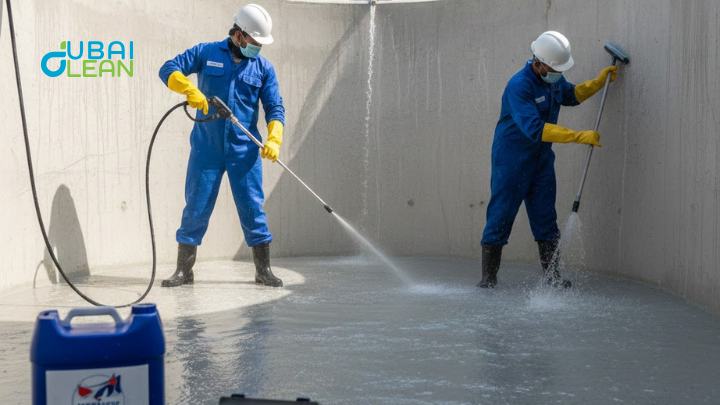
Regular maintenance is essential to keep GRP water tanks clean and hygienic. Clean the tank at least once or twice a year, removing sediment, dirt, and biofilm buildup. Keep the tank sealed and avoid direct sunlight to prevent algae and odor. Routine inspections for leaks, cracks, or damaged fittings help maintain water quality and extend the tank’s lifespan. Proper care ensures safe, fresh water for daily use.
Recommended Cleaning Schedule
GRP water tanks should be cleaned at least once or twice a year to maintain water quality. For tanks used heavily or storing drinking water, more frequent cleaning may be needed. Regular cleaning removes sediment, dirt, and biofilm buildup, ensuring the water remains fresh and safe.
How to Prevent Algae, Odor & Contamination
To prevent algae growth and unpleasant odors, keep the tank tightly sealed and avoid direct sunlight exposure. Using smooth, non-porous GRP lining helps reduce bacterial growth. Additionally, ensure the inlet water is clean and consider using covers or UV-protected tanks to maintain water hygiene.
Conclusion
GRP water tanks are an excellent choice for safe, long-lasting water storage thanks to their lightweight, durable, and corrosion-resistant design. They maintain water hygiene, prevent algae or bacterial growth, and perform reliably over many years. Proper GRP lining, careful installation, and regular maintenance are crucial to maximize their lifespan and ensure water remains fresh. For homeowners, villas, and commercial buildings, investing in a high-quality GRP tank provides peace of mind, reduces maintenance costs, and guarantees a dependable water supply.