



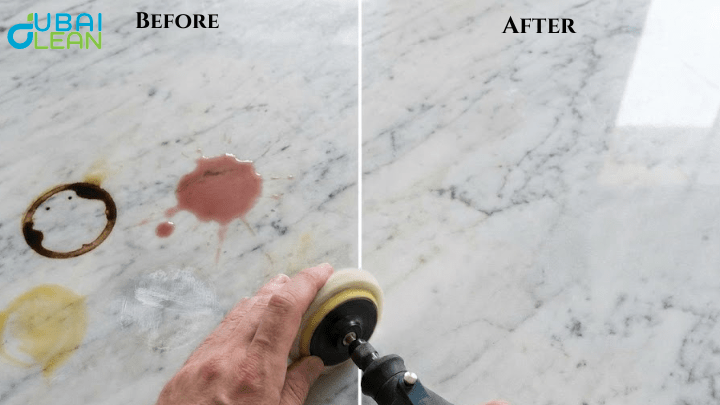
Marble stains are a major concern for homeowners and businesses because marble is both visually prominent and naturally delicate. When stains appear, they instantly reduce the elegance and value of the space. While professional marble polishing can restore shine and remove many types of surface-level damage, it’s not a universal solution for all stains. The key to cost-effective restoration is proper diagnosis, understanding what caused the stain, how deep it sits, and whether polishing is the right treatment before any service begins.
1. Understanding How Marble Reacts to Stains
Marble is a porous natural stone, which means liquids can easily seep beneath the surface and settle into microscopic openings. This characteristic explains why some stains remain superficial while others penetrate deeply, making them harder to treat. Homeowners often confuse staining, etching, and discoloration, as they can appear similar at first glance, yet each reacts differently to cleaning and polishing methods.
Because marble is primarily composed of calcite, it is highly sensitive to acids, which can cause etching rather than simple surface staining. Understanding this chemical makeup allows professionals to select the most effective restoration technique while avoiding unnecessary damage. Proper assessment ensures that marble polishing services enhance the stone without worsening deeper issues or compromising its natural beauty.
2. Common Marble Stains Polishing Can Remove
Organic stains appear dark or brownish because pigments from food and drinks settle on the marble surface. These stains typically stay shallow, making polishing an effective solution. By removing the top layer of microscopic dullness, polishing lifts the residue and restores a clean, even shine.
Water Spots and Mineral Deposits
Hard water leaves mineral marks that cause cloudy rings or dull patches on marble surfaces. These deposits sit on the outer layer and disrupt the stone’s natural reflection. Light polishing removes the mineral buildup and brings back the original clarity and smoothness.
Light Scratches and Surface Abrasion
Foot traffic, furniture movement, and abrasive particles cause small scratches on marble floors. Over time, these scratches accumulate and reduce the stone’s shine. Polishing gently levels these micro-scratches, restoring a consistent surface and enhancing reflectivity.
Soap Scum and Cleaning Product Film
Bathrooms, showers, and vanities often develop soap scum or cloudy residue from daily cleaning products. These films stick to the surface and make the marble appear dull. Polishing eliminates this buildup and reveals a brighter, healthier-looking stone underneath.
Mild Rust Marks (Surface-Level Only)
When rust appears from metal items resting on marble, it may leave a surface-level discoloration. If the rust hasn’t penetrated deep into the stone, polishing can effectively smooth the affected area and blend the color back to its natural tone.
3. Marble Stains Polishing Cannot Remove
Oil travels deep into marble pores, creating dark and stubborn stains that polishing alone cannot remove. Because oil absorbs beneath the surface, it becomes trapped in the stone’s natural openings and continues to resurface over time. To treat this properly, a professional poultice is required to pull the oil outward and break down the embedded residue. Only after extraction can polishing be performed to refine the surface and restore clarity. This combined approach ensures longer-lasting results and prevents the stain from returning.
Acid Etching (Lemon Juice, Vinegar, Cleaners)
Etching occurs when acidic substances chemically react with the marble and corrode the surface. This damage is not a stain but a burn-like mark. Polishing may improve mild etching, but deep etching requires honing or refinishing to fully restore the finish.
Permanent Dye Stains (Hair Dye, Inks, Cosmetics)
Dyes contain strong pigments that bond with marble’s minerals. Once they penetrate the stone, polishing cannot access the deeper coloration. Professional stain extraction or honing may reduce the damage, but full removal isn’t guaranteed.
Rust Stains from Metal Embedded in the Stone
Rust from internal metal elements or fixtures that bleed into the stone creates deep discoloration. Polishing cannot reach these internal sources of rust. In severe cases, stone replacement or advanced restoration becomes the only long-term solution.
Mold or Mildew Penetrated into Grout Lines
Polishing only affects marble surfaces, not grout or porous edges between tiles. When mold or mildew travels into grout lines, it requires specialized cleaning, sealing, or re-grouting not polishing to restore cleanliness and hygiene.
4. How Professionals Determine if Polishing Will Work
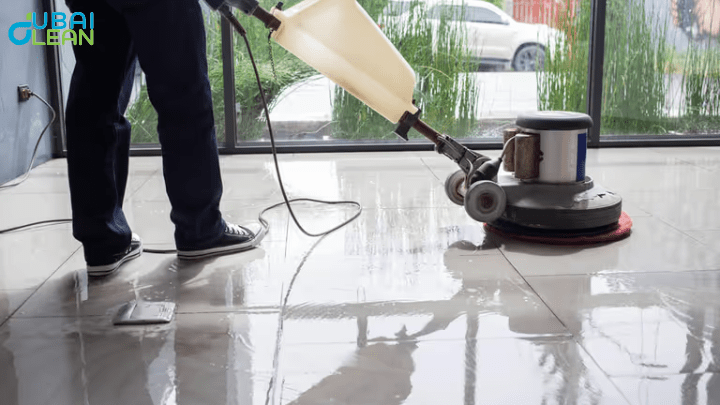
Professionals inspect marble using shine evaluation, depth checks, porosity tests, UV light, and moisture readings to understand how far a stain has traveled. This diagnostic process prevents wasted time and unnecessary costs by identifying the correct treatment from the start. An expert assessment saves homeowners money by ensuring the right method polishing, honing, or extraction is used to achieve a lasting result.
5. When to Choose Polishing, Honing, or Full Restoration
Which are the best marble polishing companies in dubai? Polishing is ideal for restoring shine and removing surface stains or light scratches. Honing is recommended when the marble has deeper scratches, etching, or uneven areas that polishing alone cannot resolve. Full restoration is chosen for severe damage, discoloration, or wear that requires complete resurfacing. Understanding the difference helps homeowners make informed decisions and protect their investment.
6. Preventing Future Marble Stains
Preventing stains starts with using pH-neutral cleaners that won’t react with marble’s delicate surface. Regular sealing adds a protective barrier that slows down stain absorption and makes maintenance easier. Kitchens, bathrooms, and busy flooring areas need more frequent care due to daily exposure to spills, moisture, and foot traffic. A proactive maintenance approach ensures the marble stays resistant to future damage and maintains its natural beauty.
Conclusion
Understanding what marble polishing can and cannot fix helps homeowners choose the most effective solution and avoid unnecessary expenses. Many surface-level stains, light scratches, and dull spots respond extremely well to professional polishing, restoring clarity and shine without invasive methods. Knowing the difference between removable stains and deeper issues prevents frustration and ensures the right treatment is applied from the start.
Deeper or chemically caused problems such as etching, deep-set oils, and permanent dye stains often require specialized treatments beyond polishing. This is why professional inspection is essential, as experts can identify the stain type, determine its depth, and recommend the safest restoration method. With accurate diagnosis and proper care, your marble stays protected, clean, and visually stunning for many years to come.