



A clean room isn’t just about appearance, it’s about creating a space that promotes peace of mind, productivity, and well-being. Keeping your room tidy and clutter-free helps reduce stress, improve focus, and make your environment more comfortable to live in. Whether it’s your bedroom, office, or study area, a neat space instantly boosts your mood and energy levels.
Developing quick cleaning habits can transform the way you manage your time and surroundings. Instead of waiting for messes to pile up, spending just a few minutes each day keeps everything organized and hygienic. With the right clean room maintenance routine and essential cleaning equipment, you can enjoy a fresh, spotless space without feeling overwhelmed.
1. How to Clean a Room in 5 Minutes
Cleaning a room can be quick and stress-free if you follow a simple, organized approach. In just five minutes, you can make your space look neat and inviting by focusing on the most important tasks: decluttering, dusting, wiping surfaces, and straightening up. Using the right cleaning tools and time-saving routines allows you to tackle messes efficiently without feeling overwhelmed. Even a short daily cleaning session keeps your room fresh, hygienic, and ready for use at any time. By making these quick habits a part of your routine, maintaining a clean room becomes effortless.
Declutter First Start with the Mess
The first step to a clean room is decluttering. Pick up any items lying around, such as clothes, books, papers, or dishes, and return them to their proper places. Even small items like chargers, toys, or accessories should be put away. Decluttering immediately makes your room look tidier and gives you a clear space to work on when you start dusting or wiping. To save time, you can use a basket or box to collect items that belong in other rooms; this allows you to quickly move them and deal with them later. The goal is to create a calm, organized environment where everything has its place.
Dust and Wipe Surfaces
Once clutter is cleared, the next step is dusting and wiping all surfaces. Use a microfiber cloth along with a light disinfectant spray to clean desks, nightstands, shelves, and other flat surfaces. Microfiber cloths are especially effective because they trap dust and tiny particles without just moving them around. Don’t forget high-touch areas like light switches, door handles, remote controls, and drawer knobs these spots often carry germs and can easily get overlooked.
Organize and Straighten Up
Once the surfaces are clean, it’s time to bring order to your space. Fold blankets neatly, fluff your pillows, and arrange furniture so everything looks balanced and cozy. Straighten books, accessories, and electronics to give your room a clean, organized appearance. You can also group similar items together for example, keep all chargers in one box or arrange skincare products on a tray.
2. Clean Room Cleaning Equipment You Should Have
Maintaining a clean room isn’t just about wiping surfaces, it’s about having the right tools and supplies to make cleaning faster, easier, and more effective. Using proper equipment ensures that every corner, from floors to furniture and electronics, stays hygienic and dust-free. The right tools not only save time but also help prevent the spread of germs and allergens, keeping your environment healthier. From microfiber cloths to HEPA vacuum cleaners and disinfectant sprays, each item plays a crucial role in maintaining cleanliness.
Microfiber Cloths Efficient Dust and Dirt Removal
Microfiber cloths are one of the most effective tools for keeping a clean room spotless. Their fine fibers trap dust, dirt, and even tiny allergens that regular clothes often leave behind or spread around. They work well on a variety of surfaces, including desks, shelves, electronics, mirrors, and glass, providing a streak-free, polished finish. These clothes are reusable, eco-friendly, and gentle on delicate surfaces, making them perfect for everyday cleaning. For best results, use them slightly damp or with a mild cleaning solution to lift stubborn dust and grime.
- Reusable and eco-friendly
- Traps microscopic dust and allergens
- Gentle on delicate surfaces
Disinfectant Sprays Keep Surfaces Germ-Free
A good disinfectant spray is crucial for keeping your clean room hygienic. It helps eliminate germs, bacteria, and viruses from high-touch surfaces such as light switches, doorknobs, tabletops, and remote controls. Using a mild, non-toxic spray ensures safety for bedrooms, living areas, and around children or pets. For best results, spray the disinfectant on a microfiber cloth first to prevent over-wetting surfaces and streaks. Regular use of disinfectant sprays not only reduces the risk of illness but also keeps your room smelling fresh and looking well-maintained.
- Reduces the risk of illness
- Quickly sanitizes surfaces
- Leaves a fresh, clean scent
Vacuum Cleaners for Clean Rooms Deep Floor Cleaning
A vacuum cleaner for clean rooms is essential for maintaining spotless floors and a healthy environment. These vacuums are designed to remove dust, crumbs, pet hair, and allergens from carpets, rugs, and hard surfaces efficiently. HEPA filter models are particularly effective because they trap microscopic particles that regular vacuums might miss, preventing them from circulating back into the air. For best results, vacuum high-traffic areas daily and less-used spaces a few times a week. Using attachments like crevice tools or brush heads helps clean corners, edges, and under furniture where dust tends to accumulate.
- Efficiently removes dirt from floors
- Captures allergens and dust particles
- Saves time compared to sweeping
3. Clean Room Maintenance Tips
Keeping a clean room consistently fresh and hygienic requires more than occasional cleaning; it needs a structured routine. Establishing daily, weekly, and monthly cleaning habits helps prevent dust buildup, clutter, and unpleasant odors, while also extending the life of your furniture, flooring, and electronics. A well-maintained room not only looks inviting but also promotes better health by reducing allergens, bacteria, and germs. By using the right cleaning tools and following a consistent schedule, you can save time, avoid deep cleaning stress, and enjoy a space that feels organized and comfortable every day.
Daily Cleaning Checklist Quick and Easy Habits
A daily cleaning routine keeps your room tidy with minimal effort. Spend a few minutes each day wiping surfaces, decluttering items, and sweeping or vacuuming visible dust and crumbs. Empty trash bins and organize misplaced items to prevent clutter from accumulating. These quick habits ensure your room stays fresh, hygienic, and ready to use at any time, making deeper cleaning tasks much easier.
- Wipe Surfaces: Use a microfiber cloth and disinfectant spray on desks, shelves, and high-touch areas like doorknobs and switches.
- Declutter: Pick up clothes, papers, and miscellaneous items and return them to their proper places.
- Floor Care: Sweep or vacuum visible dust and crumbs to keep floors clean.
- Trash Management: Empty bins daily to prevent odors and bacteria.
Weekly Cleaning Checklist Deep Hygiene
Weekly cleaning focuses on areas that need extra attention to maintain a truly clean room. Mop floors, dust hidden corners and vents, and clean air filters to remove accumulated dirt and allergens. Organize shelves, drawers, and closets to prevent clutter from building up. Following a weekly routine keeps your room fresh, reduces germs, and makes daily cleaning faster and more effective
- Mop Floors: Use a damp mop or disinfectant solution to sanitize hard surfaces.
- Dust Hidden Areas: Clean corners, vents, and behind furniture where dust often accumulates.
- Clean Air Filters: Check air purifiers or HVAC filters and clean or replace as needed.
- Organize Storage: Sort drawers, shelves, and closets to prevent clutter from building up.
Preventing Dirt Buildup and Bad Odors
To keep your clean room fresh, it’s important to prevent dirt and odors from accumulating. Ensure proper ventilation by opening windows or using air purifiers, and regularly disinfect high-touch surfaces like switches and doorknobs. Store items in bins or organizers to reduce clutter, and promptly clean up spills or damp areas to avoid mold and unpleasant smells. These simple steps help maintain a hygienic and inviting space every day.
- Proper Ventilation: Open windows or use air purifiers to circulate fresh air.
- Regular Disinfection: Focus on high-touch areas to prevent germs and unpleasant smells.
- Use Storage Solutions: Keep items organized in bins, boxes, or trays to reduce clutter.
- Avoid Moisture Accumulation: Wipe spills immediately and check for damp areas to prevent mold and odors.
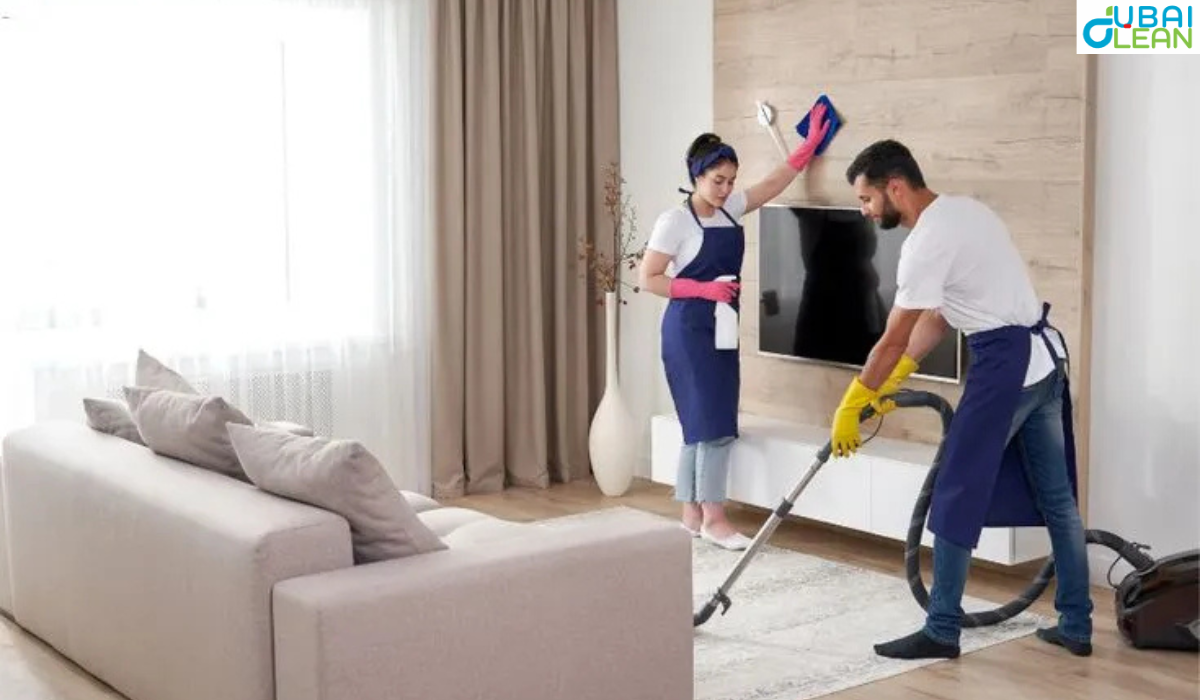
4. Benefits of Keeping a Clean Room
Keeping your room clean and organized isn’t just about looks, it has a real impact on your health and well-being. A tidy space improves focus, reduces stress, and promotes better sleep. It also prevents the buildup of dust, germs, and allergens, creating a healthier environment. Moreover, maintaining order encourages good habits and an overall more organized lifestyle, making daily tasks easier and more efficient.
Enhances Sleep and Mental Health
Sleeping in a clean, well-organized room promotes better rest and reduces stress, helping you wake up feeling refreshed and energized. A tidy space can help calm your mind, lower anxiety, and improve your mood, contributing to overall mental well-being. Additionally, a clutter-free environment supports healthier sleep patterns, reduces nighttime distractions, and creates a peaceful atmosphere that encourages relaxation and mental clarity.
Promotes Hygiene and Reduces Germs
Regular cleaning removes dust, allergens, and bacteria from surfaces, floors, and fabrics. This helps prevent illnesses, reduces allergy triggers, and creates a healthier environment for you and your family. In addition, consistent disinfection of high-touch areas like doorknobs, switches, and remote controls further minimizes the spread of germs. Maintaining a clean room also protects furniture and textiles from dirt and stains, ensuring your space stays both safe and pleasant to live in.
Encourages an Organized Lifestyle
Keeping your room clean encourages positive habits like organizing belongings, decluttering regularly, and maintaining consistent daily routines. This sense of order often carries over into other areas of life, helping you stay more efficient, disciplined, and focused. A well-maintained room also makes it easier to find items, reduces stress, and saves time during a busy day.
5. Common Mistakes to Avoid While Cleaning a Room
Even with the best intentions, certain mistakes can reduce the effectiveness of your cleaning efforts or even damage your room. Many people focus only on visible surfaces, overuse cleaning products, or skip a proper routine, which can lead to hidden dirt, germs, and clutter. Being aware of these common pitfalls helps you maintain a truly clean, healthy, and organized space. Following smart cleaning practices ensures every corner is addressed, surfaces stay protected, and your room remains fresh and inviting.
Overusing Chemicals
Using too many cleaning products or harsh chemicals can damage surfaces and leave harmful residues. Excessive sprays on floors, furniture, or electronics may cause streaks, discoloration, or wear over time. Stick to mild, safe disinfectants and use them sparingly for the best results.
Skipping Corners and Hidden Areas
Dust and dirt often accumulate in less obvious spots like under the bed, behind furniture, and in corners. Ignoring these areas can lead to allergens, germs, and a room that looks clean on the surface but isn’t truly hygienic. Always include hidden spaces in your cleaning routine.
Cleaning Without a Plan or Routine
Random cleaning without a structured plan wastes time and effort. Not having a daily, weekly, or monthly checklist may result in missed areas, clutter buildup, and uneven cleanliness. Establishing a routine ensures that every part of the room is consistently maintained and prevents deep cleaning from becoming overwhelming.
Conclusion
Maintaining a clean room doesn’t have to be time-consuming. By following quick cleaning steps, decluttering, dusting, wiping surfaces, vacuuming or sweeping, and organizing you can keep your space fresh and tidy in just five minutes. Making these short cleaning sessions a daily habit not only keeps your room looking neat but also promotes hygiene, mental clarity, and a more organized lifestyle. Over time, these small efforts add up, preventing clutter from piling up and reducing the need for lengthy deep cleaning sessions. A consistently clean room creates a peaceful, healthy, and inviting environment where you can relax, focus, and feel truly comfortable every day.