


In hot and humid climates, clean water tanks are essential for maintaining safe and hygienic living conditions. Over time, tanks accumulate dirt, algae, and bacteria, which can contaminate the water supply and affect your family’s health. Whether in residential buildings or commercial properties, regular tank cleaning ensures that the water used for drinking, cooking, and bathing remains pure and fresh.
Choosing a professional water tank cleaning service is not just about cleanliness, it’s about protecting your health and extending the life of your tank. The good news is that there are affordable cleaning options available that provide quality service at low cost. These services use eco-friendly disinfectants, modern equipment, and trained staff to ensure every part of your tank is spotless and safe to use.
1. What is a Water Tank Cleaning Service?
A water tank cleaning service involves the thorough cleaning, disinfecting, and maintenance of storage tanks that hold water for household or commercial use. The main purpose is to remove accumulated dirt, algae, rust, and bacteria that can contaminate the water. Regular cleaning prevents health hazards and ensures the water remains safe, odor-free, and fit for everyday use.
How It Helps Maintain Water Quality
Clean water tanks play a vital role in preserving water purity and preventing microbial growth. When tanks are left uncleaned, harmful bacteria and sediments can build up, affecting water color, taste, and smell. Routine professional cleaning helps maintain high water quality, protecting both the plumbing system and the health of those who consume or use the water daily.
Types of Tanks Commonly Cleaned
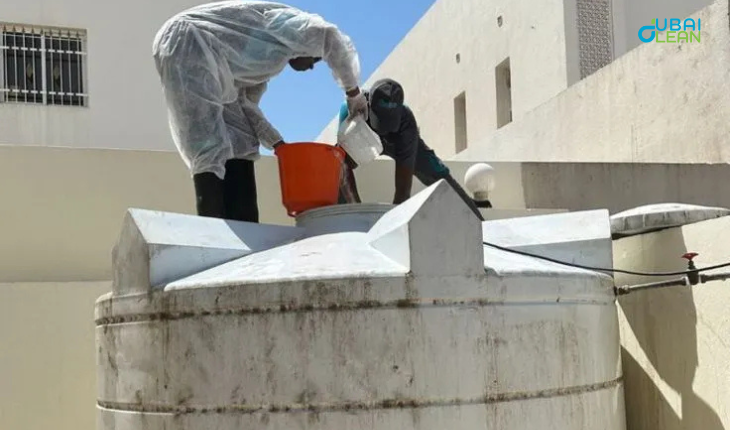
Professional cleaning services handle a wide range of tank types, including underground tanks, overhead tanks, plastic tanks, and concrete tanks. Each type requires specific cleaning techniques and tools. For instance, plastic tanks need gentle scrubbing to avoid scratches, while concrete tanks demand deep cleaning and disinfecting to remove stubborn deposits and algae growth.
2. Benefits of Cheap Water Tank Cleaning Service
A cheap water tank cleaning service provides an affordable way to maintain clean and safe water without overspending. Regular cleaning helps remove dirt, algae, and bacteria, preventing contamination and ensuring the water remains fresh and healthy for daily use. It also reduces the risk of corrosion, cracks, and sediment buildup, which can shorten the tank’s lifespan. By choosing a cost-effective service, you can save money on future repairs, protect your family’s health, and keep your water system running efficiently all year round.
Improved Water Quality
One of the biggest advantages of regular tank cleaning is improved water quality. Professional cleaners remove dirt, algae, and harmful bacteria that can contaminate your water supply. This ensures the water remains safe, clear, and free from bad taste or odor.
Longer Tank Life
Regular cleaning plays a major role in extending the life of your water tank. When left dirty, tanks can develop rust, cracks, and sediment buildup, which weaken their structure over time.
3. Signs Your Water Tank Needs Cleaning
There are several clear signs that indicate your water tank needs cleaning. Cloudy or smelly water is a common warning of bacterial or algae contamination. Slow water flow or frequent blockages may result from sediment buildup at the bottom of the tank. Additionally, visible dirt, sludge, or algae inside the tank shows that it is no longer clean. Paying attention to these signs ensures your water remains safe, fresh, and healthy for daily use.
Cloudy or Smelly Water
If the water appears cloudy or has an unpleasant odor, it indicates contamination from bacteria, algae, or debris, signaling the need for cleaning.
Slow Water Flow or Blockage
Reduced water flow or frequent blockages often result from sediment buildup in the tank, affecting plumbing efficiency and water supply.
Visible Dirt or Algae
Dirt, sludge, or algae visible inside the tank is a clear warning that the tank requires immediate cleaning to maintain safe and hygienic water.
4. Process of Professional Water Tank Cleaning
The process of professional water tank cleaning involves several careful steps to ensure safe and pure water. It starts with an initial inspection to check the tank’s condition, followed by draining and removing sludge or debris from the bottom. The walls are then scrubbed and pressure-cleaned using eco-friendly chemicals to eliminate dirt and algae. Afterward, the tank is disinfected and rinsed to kill harmful microorganisms. Finally, it’s refilled with fresh water and tested to confirm that the water is clean, clear, and ready for safe use.
Initial Inspection
The cleaning process begins with a detailed inspection of the tank to assess its condition, size, and contamination level. Technicians identify areas with heavy dirt, algae, or rust buildup to decide the most effective cleaning approach. This step ensures that every part of the tank receives the right level of care.
Draining and Sludge Removal
Next, the dirty water is drained completely from the tank. Any remaining sludge, sand, or debris settled at the bottom is carefully removed using suction equipment or manual cleaning tools. This step helps prevent blockages and ensures that the tank is ready for deep cleaning.
Scrubbing and Pressure Cleaning
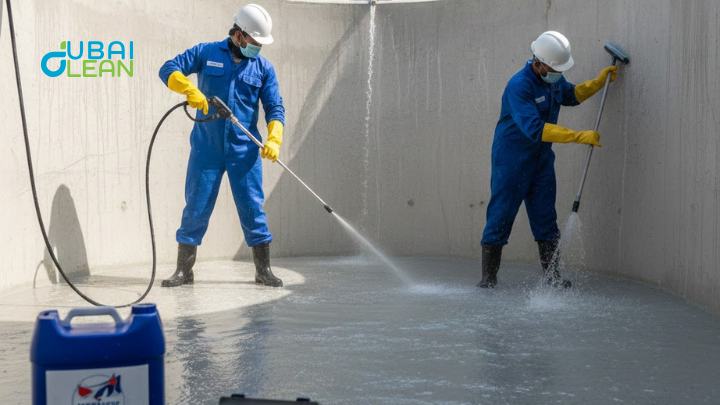
Once the tank is empty, the walls and base are scrubbed thoroughly using brushes and eco-friendly cleaning agents. High-pressure water jets are often used to remove stubborn stains, algae, and mineral deposits, leaving the surface spotless and free from residue.
Disinfection and Final Rinse
After cleaning, the tank is disinfected with safe, non-toxic sanitizers to kill harmful bacteria, fungi, and viruses. A final rinse with clean water ensures that no traces of chemicals remain. This step guarantees that the tank is completely safe for water storage.
Refilling and Quality Testing
Finally, the tank is refilled with fresh water, and the cleaning team conducts quality tests to check for purity and odor. This ensures the water meets safety standards and is ready for daily household or commercial use.
5. Maintenance & Cleaning Tips
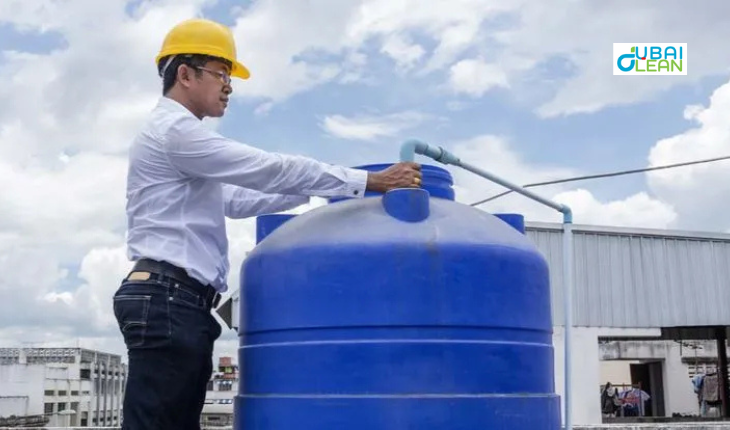
Proper maintenance and regular cleaning are essential to keep your water tank safe and functional. Scheduling cleaning every 6 to 12 months helps prevent algae, sediment, and bacterial buildup. Using safe, non-toxic disinfectants ensures that the water remains clean without harmful residues. Regularly inspecting for leaks, cracks, or rust can prevent expensive repairs and extend the tank’s lifespan. By following these simple tips, you can maintain high water quality and a durable, efficient water storage system.
Schedule Regular Cleaning
To keep your water safe and hygienic, it’s important to schedule regular cleaning for your tank. Ideally, tanks should be cleaned at least every 6 to 12 months, depending on usage and environmental conditions. Regular cleaning prevents algae growth, sediment buildup, and bacterial contamination.
Use Safe Disinfectants
Always choose non-toxic, approved disinfectants when cleaning your water tank. Safe chemicals ensure that the water remains free from harmful residues and suitable for daily use. Avoid harsh or untested cleaning agents that may damage the tank or contaminate the water.
Inspect for Leaks and Damage
Regular inspection helps detect leaks, cracks, or rust early. Identifying problems before they worsen can prevent costly repairs and prolong the life of your tank. Routine checks also ensure that the plumbing system stays efficient and your water remains clean.
6. Dangers of Ignoring Tank Cleaning
Ignoring regular water tank cleaning can lead to serious health and maintenance issues. Contaminated water may cause illnesses and infections, while stagnant water encourages bacterial, fungal, and algae growth. Unclean tanks often produce bad odors and unpleasant taste, making water unsafe for daily use. Additionally, sediment and debris can damage plumbing systems, filters, and appliances, resulting in costly repairs and reduced efficiency. Regular cleaning is essential to protect both health and water infrastructure.
Health Risks
Neglecting water tank cleaning can lead to contaminated water, which may cause illnesses, infections, and gastrointestinal problems. Harmful bacteria and pathogens thrive in unclean tanks, posing serious health hazards for families and building occupants.
Bacterial Growth
Stagnant and dirty water creates the perfect environment for bacterial and fungal growth, including algae buildup. These microorganisms can multiply quickly, making the water unsafe for drinking and daily use.
Bad Odor and Taste
A noticeable bad smell or unusual taste in your water is a clear warning that your tank needs cleaning. These signs indicate the presence of debris, algae, or chemical residues that must be removed promptly.
Damage to Plumbing Systems
Sediment and dirt from neglected tanks can enter your plumbing system, filters, and appliances, causing clogs, corrosion, and reduced efficiency. Over time, this can lead to costly repairs and decreased water flow.
Conclusion
Regular water tank cleaning is essential for maintaining safe, clean, and hygienic water in both homes and commercial buildings. Over time, tanks accumulate dirt, sediment, algae, and bacteria, which can affect water quality and pose serious health risks if ignored. Affordable, professional cleaning services provide a cost-effective solution to remove these contaminants, ensuring your tank remains in good condition and your water stays fresh. By following a routine cleaning schedule, using safe disinfectants, and performing regular inspections, you can prevent plumbing issues, extend the life of your tank, and avoid costly repairs. Maintaining a clean water tank not only protects your family’s health but also promotes a hygienic, safer, and more comfortable living environment.