


A false ceiling, also known as a dropped or suspended ceiling, is a secondary layer installed below the main ceiling to conceal wiring, lighting fixtures, and air conditioning ducts. It not only enhances the look of a room but also improves acoustics and temperature control. With various materials like gypsum, or metal, homeowners can choose from countless designs that suit their space and budget. This simple architectural addition can completely transform how a room feels making it more stylish, organized, and functional.
In Dubai’s modern homes, false ceilings have become a popular interior design trend, especially for living rooms and bedrooms. They add elegance, hide imperfections, and help create a luxurious, well-lit atmosphere. Beyond beauty, proper false ceiling installation plays a vital role in energy efficiency, lighting distribution, and safety. In this guide, you’ll discover inspiring design ideas, practical maintenance tips, and essential safety insights to help you make the most of your false ceiling installation.
1. What is False Ceiling Installation?
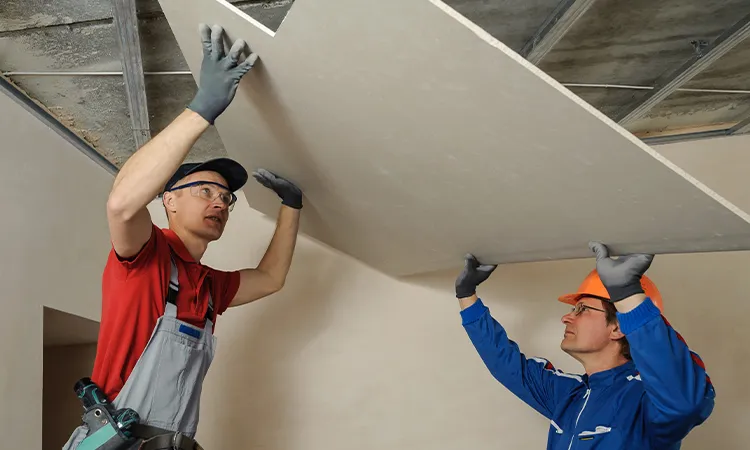
False ceiling installation is the process of adding a secondary ceiling below the main structural ceiling to enhance the overall design and functionality of a room. It serves both decorative and practical purposes, allowing homeowners to conceal electrical wiring, lighting fixtures, and air conditioning ducts. This creates a cleaner, more organized look while improving the room’s acoustics and temperature control. There are several materials used in false ceiling installation, including gypsum, POP (Plaster of Paris), wood, metal, and PVC. Gypsum ceilings are lightweight and ideal for modern interiors, while POP offers flexibility for creative designs.
2. False Ceiling Installation for Living Room
A false ceiling can dramatically transform the look and feel of your living room. It adds depth, style, and character while concealing messy electrical wiring or lighting systems. With the right design, it can make your space appear larger, brighter, and more welcoming. From soft ambient lighting to bold architectural layers, a well-installed false ceiling enhances both comfort and luxury making your living room the true centerpiece of your home. Popular living room false ceiling designs include layered ceilings, recessed lighting, and floating panels.
Best Materials for Living Room False Ceilings
When choosing materials for your living room, a false ceiling, gypsum and POP (Plaster of Paris) are the top contenders. Gypsum ceilings are durable, lightweight, and offer a smooth finish that supports intricate lighting designs. They’re also fire-resistant and suitable for Dubai’s warm climate. POP ceilings, on the other hand, allow for more detailed carvings and curved designs but require more maintenance over time.
3. False Ceiling Installation for Bedroom
A false ceiling in the bedroom does more than enhance aesthetics; it plays a key role in creating a calming and comfortable environment for better sleep. The design, lighting, and color scheme of the ceiling directly influence mood and relaxation. A thoughtfully installed ceiling can make your room feel serene, well-lit, and cozy, helping you unwind after a long day. Modern bedroom false ceiling designs often feature cove lighting, minimalist panels, and hidden LED strips to create a soothing ambiance. Cove lighting adds a soft glow that reduces harsh shadows, while hidden LEDs offer a clean, contemporary look.
Ideal Designs for Small Bedrooms
For smaller bedrooms, space-saving false ceiling designs are essential. Opt for simple geometric shapes or linear patterns that visually stretch the space. Avoid heavy, layered ceilings that make the room feel cramped. Neutral shades such as white, light grey, or cream can reflect light and create an airy effect. Integrating hidden LED lighting within slim gypsum panels also helps maintain an uncluttered, spacious look perfect for compact urban homes.
4. Common Mistakes to Avoid During False Ceiling Installation
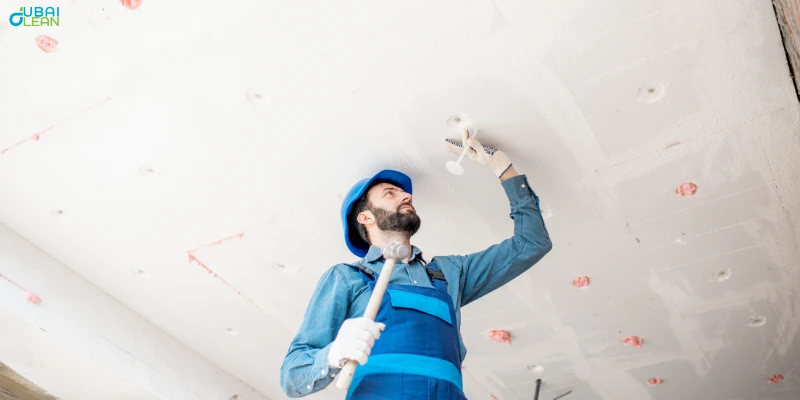
While false ceilings add beauty and functionality to any room, a few common mistakes can compromise their appearance and durability. One major error is ignoring the ceiling height and lighting alignment. A design that hangs too low can make a room feel cramped, while poor lighting placement can create unwanted shadows or glare. Always plan lighting layout such as recessed LEDs or chandeliers before installation to ensure a balanced and comfortable atmosphere. Another frequent issue is using low-quality materials or hiring unskilled labor. Cheap materials may crack, sag, or discolor over time, especially in Dubai’s humid conditions.
5. Maintenance and Cleaning Tips for False Ceilings
Keeping your false ceiling clean and well-maintained is essential for preserving its beauty and extending its lifespan. Regular dusting and gentle cleaning help prevent dirt buildup, especially around vents, lights, and corners. Use a soft microfiber cloth or a vacuum cleaner with a brush attachment to remove dust without scratching the surface. For stubborn stains, lightly dampen a cloth with mild soap water but always avoid excess moisture to prevent damage. It’s equally important to inspect your ceiling regularly for signs of moisture damage, cracks, or discoloration. Early detection can save you from costly repairs later. Watch out for dark patches or peeling paint, which may indicate hidden leaks or condensation issues.
Quick DIY Maintenance Tips
When cleaning your false ceiling, always use safe, non-abrasive products and soft tools like microfiber cloths or feather dusters. Avoid harsh chemicals, bleach, or scrubbing pads that can damage paint or surface finishes. If you have a gypsum or POP ceiling, stay away from water-based cleaners and opt for a dry cleaning method instead. For regular upkeep, gently dust once a week and deep-clean every six months to keep your ceiling looking fresh and flawless.
6. Danger of Poor False Ceiling Installation
A poorly installed false ceiling can pose serious safety hazards and long-term maintenance issues if not managed by skilled professionals. Beyond aesthetics, the true strength of a false ceiling lies in its structure, materials, and electrical setup. When these elements are compromised, the results can be dangerous ranging from structural failure to fire risks. In Dubai’s climate, where humidity and temperature fluctuations are common, improper installation can also lead to warping, sagging, or moisture damage.
Electrical Hazards from Improper Setup
False ceilings often house electrical wiring, recessed lights, and LED panels. If these are not properly insulated or aligned, they can lead to short circuits, overheating, or even fires. Always ensure that certified electricians handle all electrical components during installation to maintain safety and compliance with Dubai’s building regulations.
Conclusion
A well-designed false ceiling can completely transform your living space, adding elegance, comfort, and functionality to both living rooms and bedrooms. It enhances lighting, improves insulation, and conceals unsightly wires or fixtures, giving your home a modern and polished look. Whether you prefer minimalist designs or layered patterns, the right installation can elevate your interiors while reflecting your personal style. However, to enjoy these benefits for years to come, it’s vital to prioritize expert installation, regular maintenance, and safe design practices. Professional installers ensure precision, proper electrical setup, and long-lasting durability.