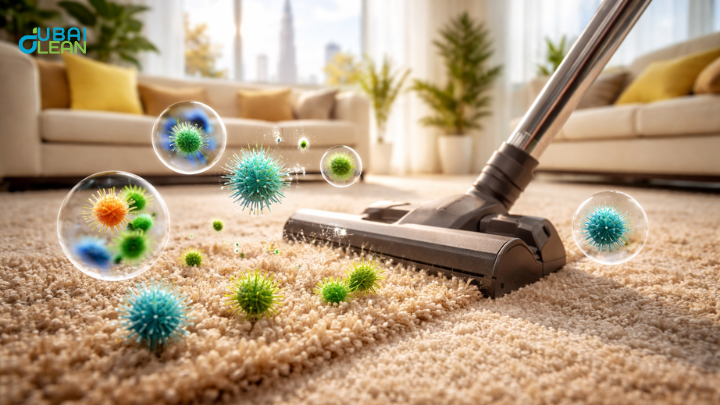



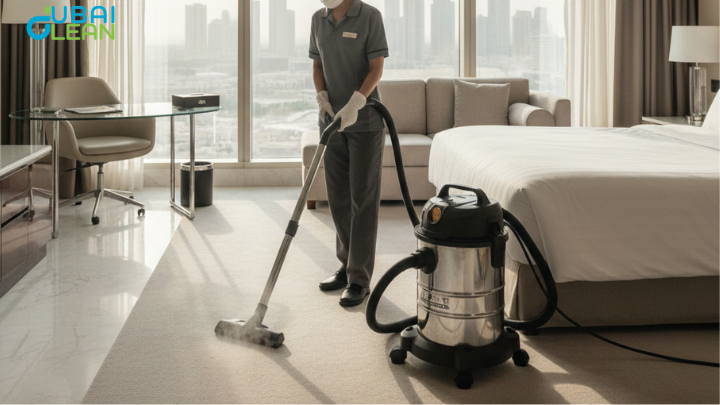
Maintaining clean carpets in hotel rooms is essential for guest safety and comfort in Dubai. Dirty carpets can harbor dust mites, bacteria, mold, and allergens, posing health risks. Following professional cleaning standards and certified protocols ensures hygiene and compliance with Dubai hospitality regulations. Proper carpet care protects guest well-being while preserving the hotel’s reputation and brand trust.
1. The Importance of Proper Carpet Cleaning in Hotels
Proper carpet cleaning in hotel rooms is not just about appearance it is a critical component of guest safety and overall hygiene. Carpets that are not regularly cleaned can accumulate dust mites, bacteria, mold, and viruses, creating hidden health risks. Allergic reactions, respiratory issues, and skin irritations are common consequences when carpets are neglected, making cleanliness essential for hotels committed to guest well-being.
Impact on Guest Experience and Reputation
In Dubai’s competitive hospitality market, hotel carpet hygiene Dubai directly affects guest satisfaction and brand reputation. Visitors expect rooms that meet high cleanliness standards, and even minor lapses can lead to negative reviews and reduced trust.
Compliance with Regulations
Beyond guest perception, compliance with UAE and Dubai hygiene regulations is mandatory, ensuring hotels meet government health and safety standards. Implementing a professional carpet cleaning procedure in hotel rooms, aligned with industry-standard methods and Dubai Municipality guidelines, demonstrates accountability and expertise. Prioritizing hygiene safeguards public health while reinforcing the hotel’s commitment to excellence in guest service.
2. Inspection and Risk Assessment
A thorough inspection and risk assessment is the first step in any professional carpet cleaning procedure in hotel rooms. Trained housekeeping staff or certified cleaning specialists examine carpets for visible stains, accumulated dirt, pest activity, unusual odors, and signs of wear. This helps identify areas that may pose health risks, including hidden allergens, bacteria, or mold growth.
Preventing Health Hazards: Risk assessment is critical to prevent potential health hazards before guests occupy the room. Carpets that appear clean on the surface may still harbor dust mites or microbial buildup, which can trigger allergies or respiratory issues.
Professional Protocols: Implementing professional carpet inspection Dubai protocols maintains guest safety and reinforces trust in the hotel’s commitment to high-quality hygiene and guest well-being.
3. Pre-Cleaning Preparation
Before deep carpet cleaning, proper preparation is essential to ensure guest safety and effective results. Furniture is carefully moved to access all carpet areas without disturbing guest belongings. Carpets are vacuumed to remove surface dirt and dust, creating a clean base for deeper cleaning. Cleaning agents are spot-tested to ensure chemical safety, protecting both guests and carpet quality.
Moving Furniture Safely: In hotel rooms, furniture is carefully moved or temporarily repositioned to allow full access to the carpet while maintaining the security of guest belongings. This step prevents accidental damage and ensures that cleaning does not interfere with hotel operations or guest comfort.
Vacuuming Carpets: Carpets are then vacuumed to remove surface dust, debris, and loose dirt, creating a clean base for deeper cleaning methods. Special attention is given to high-traffic areas and delicate or luxury carpets in premium hotels.
Spot Testing Cleaning Agents: Before applying cleaning solutions, agents are spot-tested on small, inconspicuous areas to verify chemical safety and prevent discoloration or damage. This ensures the process is safe for both guests and the carpet’s integrity.
4. Deep Cleaning Procedure
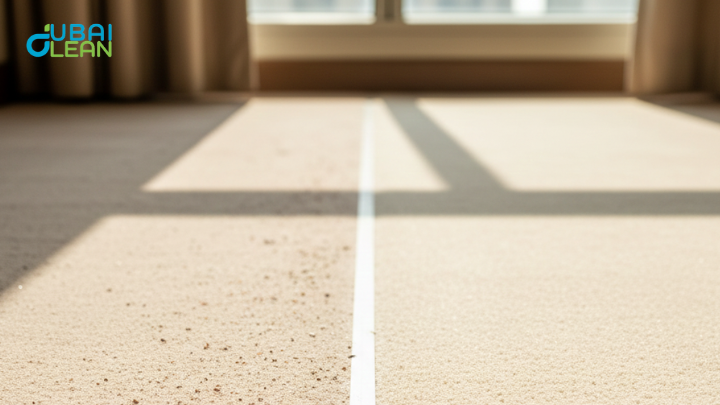
The deep cleaning procedure is the most important step in hotel carpet cleaning, ensuring maximum hygiene and guest safety. Advanced techniques remove embedded dirt, allergens, and microbes without damaging the carpet. Methods like steam cleaning and low-moisture encapsulation are chosen based on carpet type and hotel standards. Anti-microbial treatments further protect carpets, keeping rooms safe and hygienic for guests.
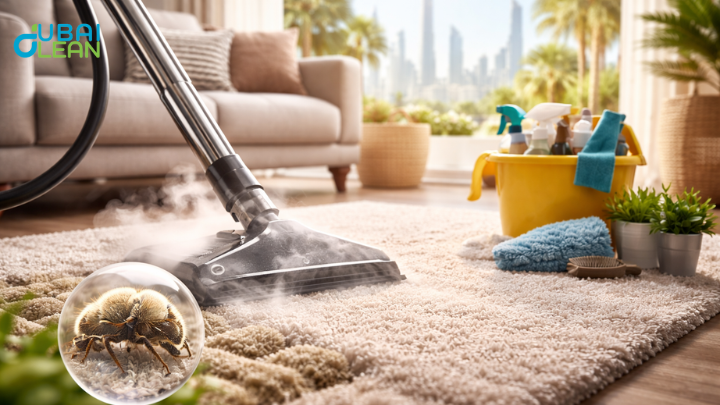
Hot Water Extraction (Steam Cleaning): This widely used method injects hot water and eco-friendly cleaning solutions deep into carpet fibers to loosen dirt and bacteria. The solution is then extracted with high-powered machines, leaving carpets sanitized. Steam cleaning effectively eliminates dust mites and bacteria, which are invisible but pose significant health risks.
Low-Moisture Encapsulation: For delicate or luxury carpets, low-moisture encapsulation is preferred. Specialized compounds encapsulate dirt and debris, which are vacuumed away once dry. This technique reduces water usage, minimizes drying time, and preserves the integrity of the carpet.
Anti-Microbial Treatments: To further enhance hygiene, anti-microbial treatments are applied after cleaning. These inhibit bacteria, mold, and other harmful microorganisms, ensuring carpets remain safe for guests over time.
Professional Standards and Compliance: All deep cleaning steps are performed by trained professionals using certified machines, following industry standards and Dubai hospitality regulations. This approach guarantees a hygienic carpet cleaning procedure that protects guest health and preserves the hotel’s reputation.
5. Drying and Post-Cleaning Safety
After deep carpet cleaning, thorough drying is essential to prevent mold, bacteria, and other microbial growth that can compromise guest safety. Even a professionally cleaned carpet can pose health risks if moisture remains trapped in the fibers. Hotels in Dubai use fans, air movers, or low-moisture drying systems to speed up drying while preserving carpet quality. These techniques minimize room downtime and ensure carpets remain safe, slip-free, and hygienic for guests. Proper drying is a critical step in maintaining hotel carpet hygiene and protecting guest health.
6. Final Inspection and Certification
Once the carpet has been cleaned and thoroughly dried, a final inspection and certification ensures that every hotel room meets the highest hygiene standards. Trained professionals perform a detailed visual inspection, checking for any remaining stains, wear, or damage. In addition, hygiene tests and odor checks are conducted to confirm that carpets are free from bacteria, allergens, and unpleasant smells that could affect guest comfort and safety.
7. Maintenance Tips for Hotels
Ongoing carpet maintenance is essential for guest safety, hygiene, and carpet longevity in hotel rooms. Regular care prevents the buildup of dust, allergens, and microbes, ensuring carpets remain clean, safe, and visually appealing. By combining routine cleaning with preventive treatments, hotels in Dubai can maintain high hygiene standards while protecting their guests and reputation.
Regular Vacuuming: Implement consistent vacuuming schedules to remove dust, dirt, and allergens before they penetrate deep into carpet fibers. This keeps carpets clean and reduces health risks for guests.
Immediate Stain Management: Address spills and stains promptly to prevent microbial growth and maintain both hygiene and the carpet’s appearance.
Preventive Treatments: Apply anti-microbial sprays or protective coatings to inhibit bacteria, mold, and dust mites, extending carpet life and enhancing guest safety.
Conclusion
Professional carpet cleaning in hotel rooms ensures guest safety, hygiene, and protects a hotel’s reputation in Dubai. Following certified protocols and preventive maintenance minimizes microbial risks while enhancing guest trust. Routine certified carpet cleaning keeps every room clean, safe, and welcoming for all visitors. To maintain these high standards of hygiene and freshness, you can always rely on the professional expertise of Dubai Clean.