


Dubai’s humid climate, especially in coastal areas like Jumeirah and Marina, makes wet carpets prone to mold, which can damage property and trigger respiratory issues or allergies. While dehumidifiers help reduce moisture, their effectiveness depends on proper use, room conditions, and carpet type, and they cannot replace thorough cleaning. This article provides expert-backed insights and practical steps for Dubai homeowners to safely prevent mold and protect both their carpets and family health.
1. Understanding Mold Growth on Carpets in Dubai
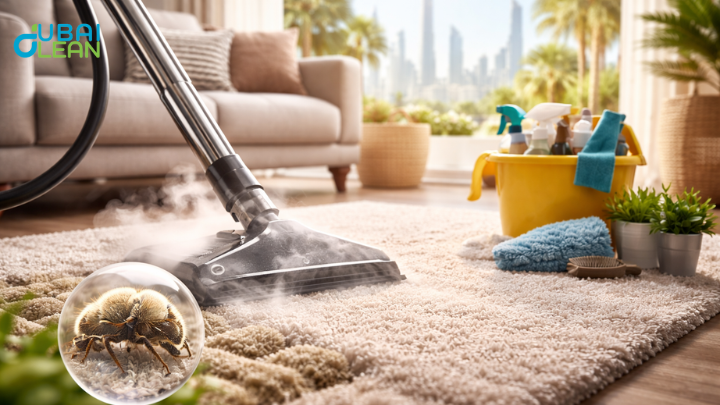
Mold thrives in damp, warm, and poorly ventilated environments, which are common in Dubai homes. Coastal humidity, AC condensation, and occasional leaks or flooding can leave wet carpets, creating ideal conditions for mold to grow. Untreated moisture can damage carpets, cause musty odors, and affect indoor air quality. Prevent mold on wet carpets in Dubai homes is crucial for protecting both property and family health in Dubai’s humid climate.
Why Dubai’s Climate Increases Mold Risk
Areas like Jumeirah, Dubai Marina, and Deira experience high humidity, which prolongs carpet dampness. AC systems may cause condensation on floors, while plumbing or minor flooding adds moisture. Immediate drying and proper ventilation are key to minimizing mold growth.
Health Risks of Carpet Mold
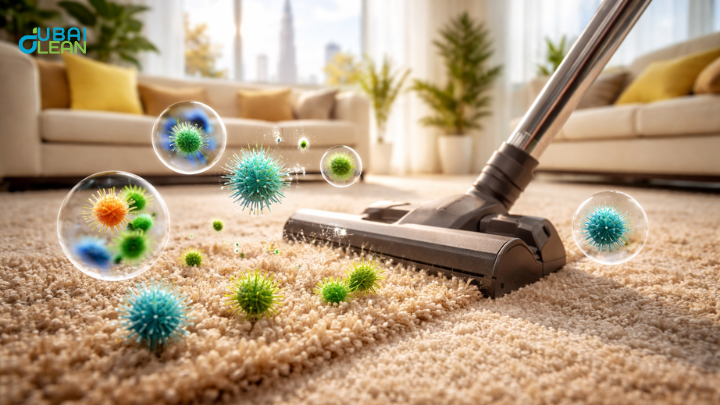
Mold exposure can trigger allergies, asthma, and respiratory problems, particularly in children, the elderly, and those with weakened immunity. Quick action to remove moisture and control humidity is essential for maintaining a safe, healthy home.
2. How Dehumidifiers Work to Protect Carpets
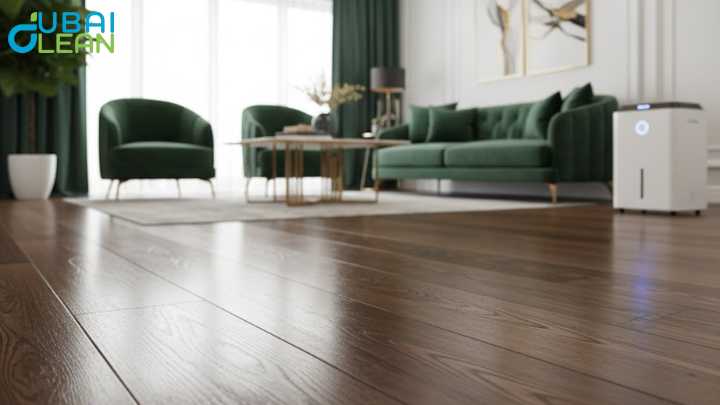
Dehumidifiers reduce indoor humidity by extracting excess moisture from the air, keeping carpets and floors dry. Maintaining relative humidity around 30–50% slows mold growth, creating a healthier environment for Dubai homes where dampness is common. Using a dehumidifier promptly after spills or leaks ensures faster drying and reduces the risk of mold spreading.
Types of Dehumidifiers for Dubai Homes
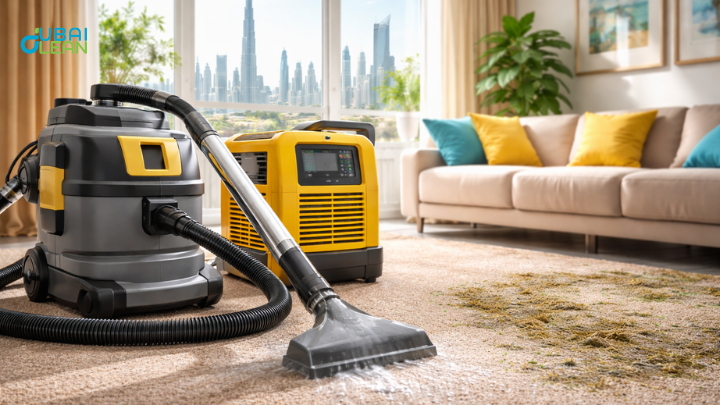
There are two main types: desiccant and refrigerant (compressor-based). Desiccant units absorb moisture from the air and work well in cooler, less ventilated rooms. Refrigerant dehumidifiers condense water from warm air, making them ideal for large spaces, AC-heavy rooms, or coastal apartments.
Expert Recommendations and Limitations
HVAC studies, including research from ASHRAE, highlight that controlling humidity is one of the most effective ways to prevent mold. However, dehumidifiers cannot replace proper cleaning or immediate drying of already-wet carpets. Using a dehumidifier alongside routine cleaning and prompt moisture removal provides Dubai homeowners with a reliable, expert-backed solution for mold prevention.
3. Factors Affecting Dehumidifier Effectiveness
While dehumidifiers are powerful tools for controlling indoor moisture, their effectiveness depends on several key factors, particularly in Dubai’s humid climate. Carpet type, room size, and ventilation all influence how quickly and thoroughly a dehumidifier can dry a space. Additionally, prolonged exposure to moisture or high humidity levels can reduce efficiency if complementary measures are not used.
Carpet Material and Thickness: Dense or thick carpets, such as wool or shag, retain moisture longer than thin synthetic carpets. Moisture trapped deep within fibers can slow down the dehumidification process, requiring longer operating times or supplemental drying methods.
Room Size vs. Dehumidifier Capacity: Choosing a dehumidifier that matches the room’s size is crucial. An undersized unit may struggle to lower humidity effectively, while an oversized unit can waste energy. For Dubai homes, where living spaces can be large and open, selecting a device rated for the specific square footage ensures optimal performance.
Duration of Exposure to Moisture: The longer carpets remain wet, the higher the risk of mold. Prompt action after spills, leaks, or AC condensation is essential. Dehumidifiers work best when used immediately after moisture exposure to prevent spores from establishing.
Ventilation and AC System Synergy: Proper air circulation enhances dehumidifier efficiency. Using the device alongside AC systems or strategically opening vents ensures even airflow and faster drying.
Expert Recommendation: According to HVAC specialists, maintaining indoor relative humidity between 30–50% RH is ideal for mold prevention. Combining dehumidification with cleaning and ventilation creates the most reliable defense against mold in Dubai homes.
4. Step-by-Step Guide to Using a Dehumidifier for Wet Carpets
Using a dehumidifier correctly can significantly reduce mold risk on wet carpets in Dubai homes. Immediate action, proper settings, and monitoring humidity levels ensure faster drying and safer indoor air. Combining dehumidifier use with routine cleaning and ventilation maximizes effectiveness, protecting both property and family health.
Move Furniture and Carpets: Lift carpets and remove movable furniture to improve airflow underneath. Thick rugs or heavy furniture can trap moisture, slowing drying and increasing mold risk.
Start the Dehumidifier Immediately: Set up the device right after spills, leaks, or minor flooding. Quick moisture removal is critical, especially in high-humidity areas like Jumeirah or Marina.
Adjust Duration and Settings: Run the dehumidifier according to room size and moisture level 6–8 hours for moderate dampness or 24–48 hours for heavy water exposure. Aim for 30–50% RH as recommended by HVAC experts.
Track Humidity: Use a hygrometer to monitor indoor moisture levels. Ensure the room reaches safe levels, especially in enclosed spaces, confirming effective moisture removal.
Consider Professional Support: For severe water damage, consult certified Dubai-based cleaning or HVAC services. Expert intervention ensures deep drying, mold prevention, and long-term air quality.
5. Complementary Measures for Mold Prevention
Dehumidifiers are effective but combining them with additional steps ensures maximum protection against mold in Dubai homes. Regular dehumidifier for wet carpet cleaning, proper ventilation, and timely moisture removal reduce the risk of mold growth. Acting quickly is critical, as prolonged dampness can damage property and trigger health issues. Pairing these measures with a dehumidifier creates a comprehensive mold-prevention strategy.
Regular Cleaning and Drying
Routine cleaning removes dirt, dust, and moisture that harbor mold spores. Carpets should be dried thoroughly using fans or lifted in well-ventilated areas to prevent prolonged dampness, especially in high-traffic spaces. Consistent cleaning habits reduce long-term mold risk and maintain healthier indoor air quality for your family.
Efficient AC and Ventilation
Proper use of air conditioning helps control indoor humidity. Clean vents, unblocked airflow, and occasional use of ceiling fans or open windows improve circulation and speed up carpet drying. Ensuring balanced ventilation throughout your home prevents pockets of moisture where mold could develop.
Safe Anti-Mold Treatments
Eco-friendly sprays or carpet-safe treatments can inhibit mold growth without health risks. These solutions are ideal for areas prone to dampness and for households with children, pets, or residents with respiratory sensitivities. Using these treatments alongside dehumidifiers provides a reliable, proactive approach to mold prevention.
6. When a Dehumidifier is Not Enough
Dehumidifiers are effective for preventing mold, but moisture control alone may not be sufficient in some cases. Established mold can develop quickly in Dubai’s humid climate, requiring additional intervention to protect carpets, property, and indoor air quality. Recognizing the signs early ensures timely and safe remediation.
Signs of Mold Growth
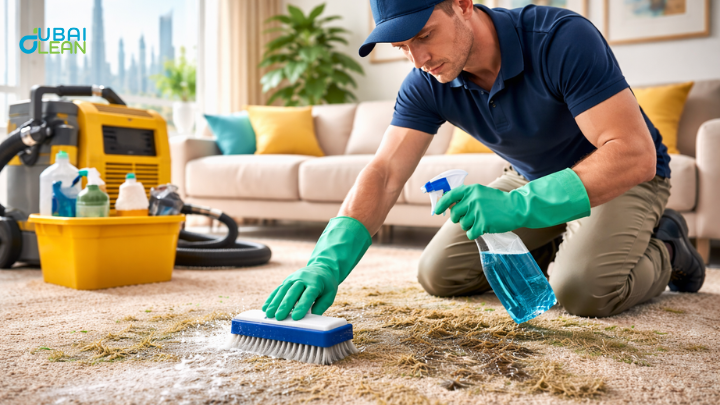
Look for a persistent musty odor, visible black or green patches, or discoloration along carpet edges or under furniture. These indicators show that mold has already taken hold and cannot be removed by a dehumidifier alone. If you notice these signs, it’s important to act quickly and consult certified professionals to prevent further damage and health risks.
Health Risks of Mold Exposure
Prolonged exposure to mold spores can trigger asthma, allergic reactions, and respiratory irritation, especially in children, the elderly, or those with weakened immunity. Ignoring these risks can compromise indoor air quality and overall health. Taking immediate action to remove moisture and address mold growth is essential for a safe and healthy home environment.
Professional Remediation
Certified mold inspectors or cleaning services can safely remove mold and treat affected areas. Consulting experts ensures proper prevention, protects your home and family, and provides peace of mind in Dubai’s humid environment. Professional guidance also helps identify hidden moisture sources and implement long-term strategies to prevent mold recurrence.
Conclusion
Dehumidifiers help prevent mold on wet carpets, but proper use, quick action, and additional measures like cleaning and ventilation are essential. Monitoring humidity and addressing spills immediately enhances protection, while professionals should handle already-affected carpets. Following these expert-backed steps helps Dubai homeowners maintain clean, dry, and mold-free carpets for a healthier home.