


Black sediment in Dubai tap water is a growing concern for families, as seeing dark particles raises fears about health risks for children and adults alike. This issue often stems from common local factors such as aging pipes, debris in rooftop water tanks, sandstorms, and the region’s hot climate, all of which can contribute to water contamination. In this article, readers will learn how to identify black sediment, understand its causes, and follow practical cleaning and preventive measures to ensure safe and healthy tap water for their families.
1. What Is Black Sediment in Tap Water?
Black sediment in tap water consists of tiny dark particles, rust flakes, sand, or organic debris that can make water look cloudy or speckled. In Dubai, these sediments often enter through aging pipelines, mineral buildup in rooftop tanks, and environmental factors like dust and sandstorms. High temperatures can worsen corrosion and bacterial growth, increasing the risk of contamination. Recognizing and understanding black sediment is essential for families to maintain safe and clean drinking water.
Types of Black Sediment in Tap Water
Black sediment in tap water can appear as tiny dark particles, rust flakes, sand, or organic debris. These particles vary in size, shape, and color, often giving water a cloudy or speckled appearance. Recognizing the types of sediment is the first step in understanding potential health risks and water quality issues.
How Black Sediment Enters Your Water System in Dubai
In Dubai, these particles often enter your water system through aging pipelines, mineral buildup in rooftop tanks, and contamination from environmental factors like sandstorms and dust. Understanding how sediment enters the water helps families identify risks and take preventive measures to keep drinking water safe.
2. Common Causes of Black Sediment in Dubai Tap Water
Black sediment in Dubai tap water is usually caused by a combination of aging pipes, rust, and mineral buildup in rooftop tanks and plumbing systems. Over time, corrosion and wear release tiny dark particles that can make water appear cloudy or speckled. Environmental factors like dust, sandstorms, and the city’s high temperatures further accelerate sediment formation, promoting bacterial growth and debris accumulation. Understanding these causes helps residents take preventive measures, such as regular tank cleaning and pipe maintenance, to ensure safer drinking water for their families.
Aging Pipes, Rust, and Mineral Buildup
Black sediment often comes from aging pipes, rust, and mineral deposits in rooftop tanks and plumbing systems. Over time, corrosion and wear release tiny dark particles into the water, affecting clarity and quality. In older buildings or homes with rarely cleaned tanks, these sediments can accumulate faster, sometimes causing discoloration or a gritty texture in tap water. Regular inspection and maintenance of pipes and tanks can help minimize these risks.
Environmental Factors: Dust, Sandstorms, and Heat
Environmental factors like dust, sandstorms, and Dubai’s high temperatures contribute significantly to sediment formation. Rooftop tanks exposed to dust and sand can allow debris to settle in the water, while heat accelerates corrosion and bacterial growth. Combined, these factors increase the likelihood of contaminated water, making frequent cleaning and protective covers essential to maintain safe and clean drinking water for your family.
3. Health Risks for Your Family
Black sediment in tap water can pose serious health risks for families. Short-term effects may include stomach upset, nausea, diarrhea, and other digestive discomforts, especially in children, the elderly, and those with weaker immune systems. Long-term exposure to contaminated water containing rust, bacteria, or heavy metals can lead to infections, weakened immunity, and other chronic health issues. Understanding these risks underscores the importance of regular water tank cleaning, proper filtration, and preventive maintenance to ensure safe drinking water for every household member.
Short-Term Health Effects of Contaminated Water
Black sediment in tap water can cause short-term issues such as stomach upset, nausea, diarrhea, or mild gastrointestinal discomfort, particularly affecting children, the elderly, and immunocompromised family members. Even small amounts of sediment or rust particles can irritate the digestive system, sometimes leading to dehydration or weakness if symptoms persist.
Long-Term Risks from Ingesting Sediment
Prolonged exposure to contaminated water containing rust particles, bacteria, or heavy metals may increase the risk of infections, weakened immunity, and other chronic health issues. Recognizing these risks highlights the importance of regular water tank maintenance and proper filtration to ensure safe drinking water.
4. How to Identify Black Sediment in Your Water
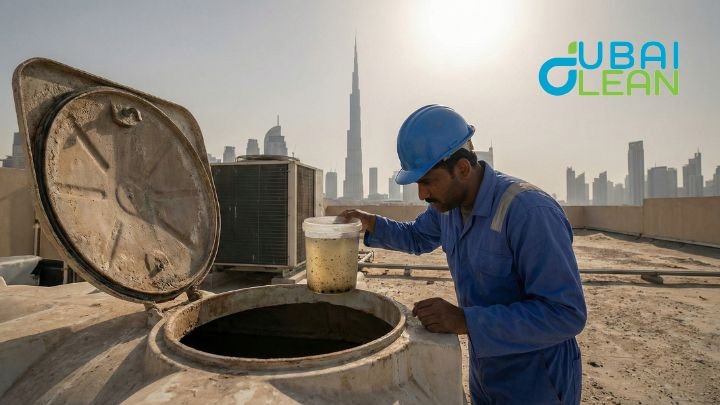
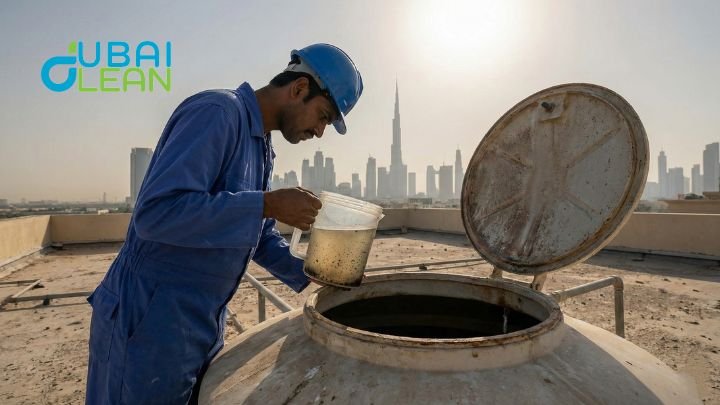
Black sediment in tap water can often be noticed through visual and sensory changes, such as tiny dark particles, cloudy or speckled water, unusual odors, or a metallic taste. To confirm contamination, residents can use simple DIY methods like filters or settling tests, or opt for professional inspections and certified lab testing. Regular monitoring and early detection help ensure safe drinking water and prevent potential health risks for the entire family.
Visual and Sensory Indicators of Sediment
Black sediment can often be spotted by its appearance or changes in water quality. Look for tiny dark particles floating in tap water, cloudy or speckled water, unusual odors, or a metallic taste. These visual and sensory cues are the first signs that sediment or contaminants may be present in your water system.
Testing Options: DIY, Lab, and Professional Inspections
For more accurate identification, water can be tested using simple DIY methods such as filters or settling tests, or through certified lab analysis. Professional water tank inspections in Dubai also help detect hidden sediment and bacterial contamination, ensuring your family’s water remains safe and clean.
5. Solutions to Ensure Clean Water for Your Family
Ensuring clean tap water starts with regular cleaning and maintenance of rooftop water tanks to remove rust, debris, and bacterial buildup. Installing quality water filters and replacing old or corroded pipes can further reduce black sediment. Additional preventive steps, such as covering tanks, flushing taps periodically, and monitoring water clarity, help protect your family from contamination and ensure safe, healthy drinking water at home.
Regular Water Tank Cleaning and Maintenance
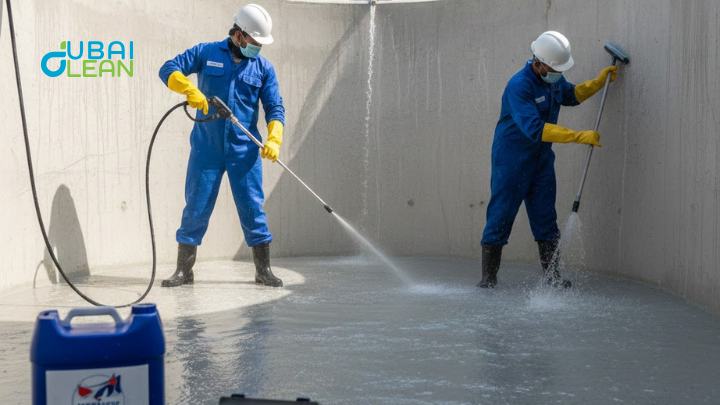
One of the most effective ways to prevent black sediment is through regular cleaning of rooftop water tanks. Scheduled maintenance helps remove rust, debris, and bacterial buildup before they contaminate your tap water. Dubai Municipality recommends periodic inspections and professional cleaning to maintain water safety and quality.
Filters, Pipe Replacement, and Preventive Tips
Installing water filters and replacing old or corroded pipes can significantly reduce sediment in your water supply. Additionally, using tank covers, flushing taps regularly, and monitoring water clarity are simple preventive measures that help keep drinking water clean and safe for your family.
6. Warning Signs Your Water Tank Needs Immediate Cleaning
You can often spot when a water tank needs cleaning by noticing visible black sediment, cloudy or discolored water, and unusual odors coming from your taps. These signs indicate the buildup of rust, debris, or bacterial growth inside the tank, which can compromise water quality. Ignoring these warning signs can lead to health risks such as stomach issues, infections, or exposure to harmful contaminants. Acting quickly by scheduling professional cleaning, flushing the system, and inspecting pipes helps prevent these problems.
Visible Sediment, Discoloration, and Odor
A water tank that needs cleaning often shows clear warning signs, such as black or dark particles in the tap water, cloudy or discolored water, and unusual odors. These visual and sensory cues indicate the accumulation of sediment, rust, or bacterial growth in the tank.
Acting Quickly to Protect Your Family’s Health
When these signs appear, it’s essential to act promptly. Schedule professional cleaning, flush the system, and check for pipe corrosion to prevent health issues. Timely action ensures that your family continues to have access to safe and clean drinking water.
Conclusion
Black sediment in Dubai tap water can pose serious health risks, ranging from short-term digestive issues like nausea and diarrhea to long-term exposure to bacteria, rust, and heavy metals. These problems are often caused by aging pipes, mineral buildup in rooftop tanks, and environmental factors such as dust and sandstorms. Understanding these risks highlights the importance of regular water tank cleaning, pipe maintenance, and using high-quality filters to ensure safe and clean drinking water. By taking proactive measures, families can prevent contamination, protect their health, and maintain peace of mind knowing their tap water is safe all year round.