



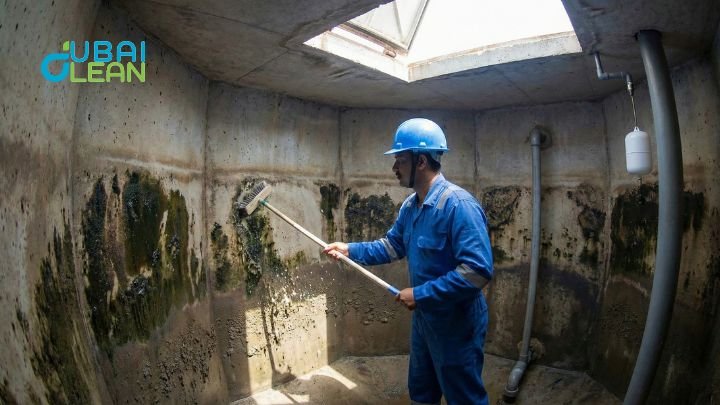
Biofilms are slimy layers of microorganisms, such as bacteria, algae, and fungi, that attach to surfaces like water tanks. Over time, these layers can accumulate inside tanks, reducing water quality and creating potential hygiene issues. In Dubai, where many homes rely on rooftop or private water tanks, biofilm formation can be more common due to stagnant water, mineral-rich supply, and seasonal humidity, especially in winter months like December. Understanding biofilms is important for Dubai households because they can affect water taste, odor, and plumbing efficiency, and if left unchecked, may harbor bacteria that compromise household water safety.
1. What Are Biofilms in Water Tanks?
Biofilms are microbial communities that cling to surfaces, forming a protective, slimy layer inside water tanks. These layers are made up of bacteria, fungi, and algae that stick together in a matrix of natural polymers, allowing them to survive even under conditions that would normally kill free-floating microbes. Understanding biofilms is crucial for Dubai homeowners because they can reduce water quality, affect plumbing efficiency, and increase the risk of contamination if not addressed properly.
How Biofilms Form Inside Water Tanks
Biofilms start forming when microorganisms cling to the surfaces of water tanks. After attaching, they multiply and secrete a slimy, protective layer that makes them resistant to normal cleaning and water movement. In Dubai homes, certain factors increase the likelihood of biofilm growth, including stagnant water, mineral-rich supply, and mild winter humidity, particularly during December.
- Stagnant water: Low usage areas allow microbes to settle and grow.
- Warm, humid conditions: Mild humidity in winter months, like December, supports microbial growth.
- Mineral-rich water: Hard water can accelerate scale and biofilm combination, creating more surfaces for microbes to attach.
What Biofilms Look Like in a Household Tank
In a household water tank, biofilms often appear as slimy or sticky patches along the walls and corners. They can cause discoloration of the water and leave residues around taps or filters. While sometimes subtle, these visible signs indicate that microbes are thriving, making professional cleaning essential to maintain safe and fresh water in Dubai homes.
- Slimy patches along the tank walls or corners.
- Discoloration of water or tank surfaces.
- Residue around taps and filters after water usage.
2. Why Biofilms Form More Easily in Dubai Homes
Biofilms form more readily in Dubai homes due to a combination of environmental and usage factors. Mild winter humidity, especially in December, creates moist surfaces inside tanks that encourage microbial growth. Stagnant water from irregular usage, travel, or empty rooms gives microbes time to multiply. Additionally, mineral-rich hard water provides surfaces for microbes to attach, accelerating biofilm formation. These conditions make regular cleaning essential to maintain safe, fresh water for households.
Temperature, Humidity & Seasonal Conditions
Dubai’s mild winter humidity, especially in December, can create moist surfaces inside water tanks, providing ideal conditions for microbial growth. Even without extreme summer heat, the combination of warm water stored in tanks and cooler night air encourages biofilms to form more rapidly along tank walls and corners.
Stagnant Water & Irregular Usage in Dubai Properties
Biofilms thrive when water remains still for extended periods. In many Dubai homes, weekends, travel, or unoccupied rooms often result in low water circulation, giving microbes the ideal environment to attach, multiply, and form protective layers. Over time, this stagnant water can also accumulate sediments and minerals, further accelerating biofilm growth and making it more difficult to remove during cleaning.
3. Are Biofilms Harmful? What You Should Know
Biofilms can harbor microorganisms that affect water quality, taste, and hygiene in household tanks. While not all microbes are harmful, some may survive longer in the protective biofilm layer, potentially increasing the risk of contamination. Visible signs such as cloudy water, musty smells, unusual taste, or slimy residue indicate their presence. In Dubai homes, these conditions are more likely due to stagnant water, mineral-rich supply, and seasonal humidity.
Potential Contaminants Found in Biofilms
Biofilms can serve as a protective environment for various microorganisms, including bacteria and fungi, which may survive longer than in free-flowing water. While some of these microbes can impact water quality, it is important to note that any claims about gastrointestinal issues, Legionella, or waterborne illnesses must be supported by credible sources such as the WHO, CDC, or Dubai Municipality. No medical statements are made without proper references, ensuring that homeowners receive accurate, trustworthy information.
Non-Medical Warning Signs Homeowners Can Notice
Homeowners can often detect biofilm presence through visible or sensory signs. Common indicators include musty smells, cloudy or discolored water, unusual taste, and slimy residue around taps or filters. While these signs do not confirm harmful bacteria, they signal that professional cleaning is needed to maintain safe and fresh water in Dubai homes.
- Musty or unusual smell in the water
- Discoloration or cloudy water
- Strange taste
- Slimy residue around taps or filters
4. How Biofilms Affect Everyday Water Quality in Dubai Homes
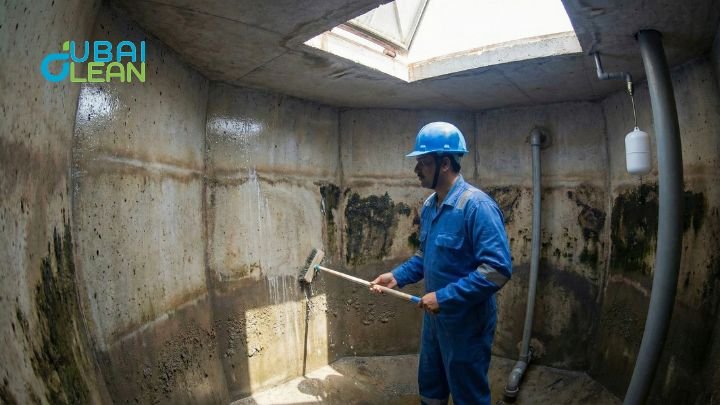
Biofilms can impact the taste, smell, and appearance of water, sometimes causing a musty odor, cloudy look, or unusual taste. They can also narrow pipes, reducing water pressure and affecting flow throughout the home. Over time, biofilm buildup may strain appliances like heaters and filters, decreasing their efficiency and lifespan. Regular cleaning is essential in Dubai homes to maintain fresh, safe, and reliable water for everyday use.
Changes in Taste, Smell & Appearance
Biofilms can alter the taste, smell, and appearance of household water. Water may develop a slightly musty odor, unusual taste, or a cloudy appearance, even without visible contaminants. These changes are a sign that biofilms are present and indicate that cleaning and maintenance may be needed to restore water freshness.
Impact on Water Pressure & Plumbing Systems
Over time, biofilms can accumulate along tank walls and pipes, gradually narrowing the flow of water. This buildup can reduce water pressure, affect faucet performance, and slow down showers or taps, making regular professional cleaning important for maintaining household efficiency.
Effect on Appliances Like Heaters & Filters
Biofilm and mineral buildup inside tanks and pipes can also impact household appliances. Water heaters, filters, and pumps may experience reduced efficiency, more frequent clogging, or shortened lifespan if biofilms are not removed regularly. Scheduled cleaning helps protect appliances and ensures consistent water performance.
5. How Professionals Remove Biofilms Safely
Professional technicians begin by inspecting and assessing the tank interior to identify biofilm, sediment, and areas of buildup. They then use high-pressure cleaning and mechanical scrubbing to remove stubborn microbial layers effectively. After cleaning, approved disinfectants are applied to neutralize remaining microbes, ensuring the tank is hygienically safe. These methods are regulated, safe, and more effective than DIY cleaning, helping Dubai homeowners maintain fresh, clean water for daily use.
Inspection & Assessment of the Tank Interior
Professional technicians begin by inspecting and assessing the water tank interior. They look for visible signs of biofilm, sediment buildup, discoloration, or damaged areas. This step ensures that cleaning is targeted and effective while identifying any structural issues that could contribute to microbial growth.
High-Pressure Cleaning & Mechanical Scrubbing
Once assessed, experts use high-pressure cleaning and mechanical scrubbing to remove biofilm layers from tank walls and corners. This method ensures that even the most stubborn microbial layers are dislodged without damaging the tank.
6. How Dubai Homeowners Can Reduce Biofilm Growth
Dubai homeowners can take simple steps to minimize biofilm formation in their water tanks. Keeping tank lids tightly sealed prevents dust, debris, and insects from entering, while installing sediment filters traps particles before they settle. Maintaining regular water usage and scheduling professional tank cleaning further reduces microbial buildup, ensuring safe, fresh, and hygienic water for everyday household use.
Keeping Tank Lids Sealed Tight
Keeping tank lids tightly sealed prevents dust, debris, insects, and other contaminants from entering the water, which significantly reduces the risk of microbial growth and biofilm formation. A properly sealed lid also helps maintain water hygiene during seasonal changes, prevents evaporation, and limits exposure to environmental pollutants.
Installing Basic Sediment Filters
Installing basic sediment filters helps trap particles and minerals before they settle in the tank, lowering the chance of biofilm formation. Combined with regular water usage and professional cleaning, these steps help ensure clean, safe, and fresh water for everyday household use.
Conclusion
Preventing biofilm formation in water tanks is essential for maintaining safe, fresh, and hygienic water in Dubai homes. Regular cleaning and maintenance not only improve water quality but also protect plumbing systems and household appliances from buildup. Homeowners should prioritize professional tank cleaning and adopt preventive measures, such as sealing lids and using sediment filters. All health-related information in this article is based on authoritative sources, and for any medical concerns, readers should consult Dubai Municipality guidelines or certified medical experts to ensure safety.