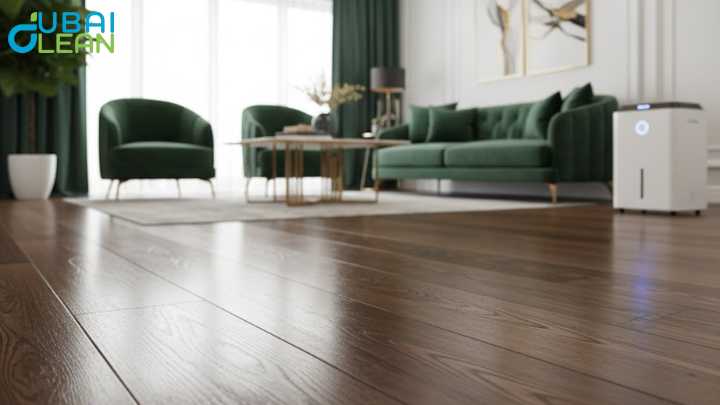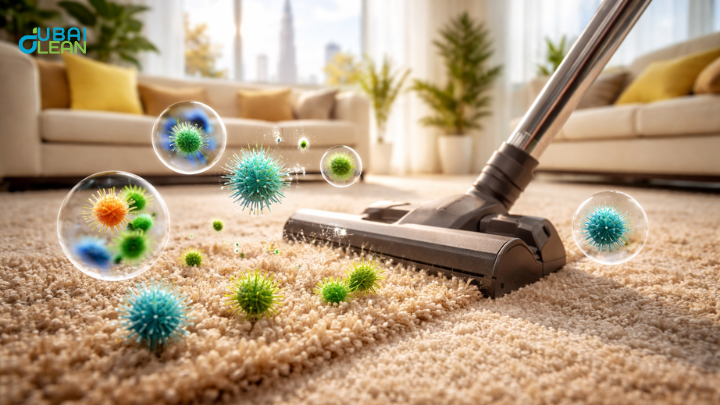



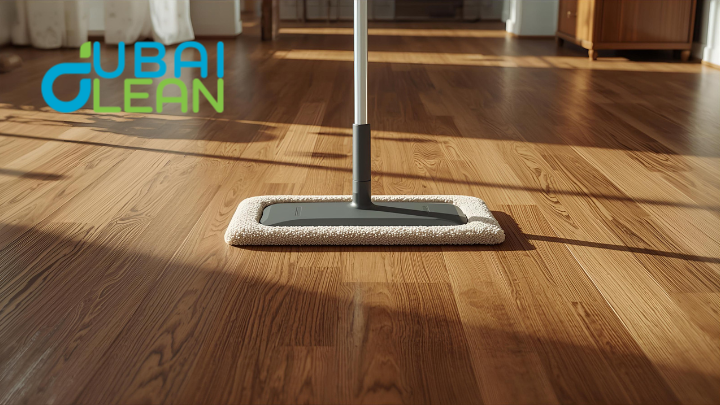
Wood floors bring warmth, elegance, and timeless beauty to any home, but proper care is essential to maintain their charm. Using the right cleaning techniques, tools, and safe solutions protects them from scratches, stains, and long-term damage.
Regular dusting, careful mopping, and prompt attention to spills can keep both hardwood and engineered wood floors looking polished and fresh. With a consistent routine and the correct approach, your wood floors can remain durable, beautiful, and inviting for years to come.
1. Understanding the Difference: Engineered Wood vs. Hardwood Floors
Even though engineered and solid hardwood floors have a similar appearance, the way they are built is not the same. Solid hardwood is made from a single piece of natural wood, offering strength and the ability to be refinished multiple times. Engineered wood has a thin real wood layer over a stable plywood or fiberboard core, making it more resistant to moisture but less suitable for refinishing. Because of this, both require gentle cleaning, with extra caution against excess water for engineered wood. For expert care, you can explore our professional floor cleaning services in Dubai.
| Feature | Solid Hardwood Floors | Engineered Wood Floors |
| Construction | Made from a single piece of natural wood | A slim layer of genuine wood is placed over plywood or dense fiberboard to form the surface. |
| Durability | Strong, long-lasting, and can be sanded/refinished multiple times | It lasts well but offers fewer refinishing options because of its thin top surface. |
| Moisture Resistance | Can warp or swell with too much water or humidity | More resistant to moisture and temperature changes due to layered design |
| Cleaning Considerations | Requires gentle care; avoid excess water | Needs extra caution never expose to excessive moisture |
| Best Cleaning Tools | Microfiber mop with wood-safe cleaner | A microfiber mop paired with a gentle, wood-appropriate cleaner and very little water works best |
2. How to Clean Engineered Wood Floors
Keeping engineered wood floors clean is all about gentle care and consistency. Because they have a thinner wood surface compared to solid hardwood, they need special attention to prevent damage.
Step-by-Step Process for Regular Cleaning
- Begin by sweeping or vacuuming with a soft brush attachment to remove dust, dirt, and grit that can cause scratches.
- Use a slightly damp microfiber mop for routine cleaning never soak the floor with water.
- Wipe the floor dry right after mopping so that moisture doesn’t soak into the joints.
Tips for Dealing with Dust, Spills, and Stains
Keeping wood floors clean requires managing dust, spills, and stains quickly. Regular dusting keeps the surface shiny, wiping spills right away prevents moisture damage, and using proper cleaners for stains ensures the finish stays protected.
- Regular dusting, ideally every day or several times a week, keeps the floor shiny and free from buildup
- Wipe up spills as soon as they happen using a soft cloth to stop moisture from seeping into the layers.
- When dealing with stains, opt for a cleaner specifically made for engineered wood floors. Always test it in a small corner first before applying it widely.
Do’s and Don’ts to Avoid Damage
Following simple do’s and don’ts helps protect wood floors from damage. Use rugs, pads, and gentle cleaners to preserve their shine, while avoiding excess water, harsh chemicals, or dragging furniture across the surface.
- Do mats or rugs near doors help stop dirt from being carried onto the flooring.
- Do lift furniture instead of dragging it to avoid scratching the floor
- Don’t steam mops, strong chemicals, or rough pads since they can ruin the finish and harm the wood.
- Don’t allow standing water to remain on the surface it can cause swelling or warping over time.
With these simple habits, your engineered wood floors will stay beautiful, clean, and durable for many years.
3. Best Way to Clean Hardwood Floors
Hardwood floors are durable and timeless, but they require the right care to keep their natural beauty intact. A consistent cleaning routine combined with safe products will help protect the wood and maintain its shine.
Daily and Weekly Cleaning Routine
- Daily: Sweep or dust using a microfiber mop to pick up dirt, dust, and pet hair that can scratch the surface.
- Weekly: vacuum using a soft-bristle attachment or gently clean with a slightly damp microfiber mop. Be sure the mop is only slightly damp not wet to avoid water damage.
To protect your wooden flooring: It’s best to stick with products formulated exclusively for hardwood. A pH-neutral solution works best to lift dirt without stripping the protective finish. Stay away from vinegar, ammonia, or strong cleaners, since they can fade the shine and slowly damage the wood.
How to Maintain Shine Without Overusing Polish: Polishing too often can cause buildup that makes floors look cloudy. Instead, polish hardwood floors only every few months or as recommended by the manufacturer. To maintain a polished look, make sure to dust often, clean spills quickly, and place mats in busy areas to reduce scuffing.
4. Choosing the Right Floor Cleaning Mop
Selecting the right mop makes a big difference in how well you can care for hardwood and engineered wood floors. The wrong mop can leave streaks, excess moisture, or even scratches, while the right one helps maintain shine and durability.
Why Microfiber Mops Are Ideal for Wood Floors: Microfiber mops are highly recommended because they are soft, lightweight, and designed to trap dust and dirt without scratching the surface. Unlike cotton mops, they require very little water, making them safer for wood floors that can easily be damaged by excess moisture.
Comparison of Traditional vs. Spray Mops
Traditional mops use more water, which can damage wood floors and leave streaks. Spray mops, on the other hand, let you control moisture with a built-in spray, making them safer and quicker for cleaning wood floors.
| Mop Type | Pros | Cons |
| Traditional Mop | Widely available, simple to use | Uses more water, risk of warping/swelling wood, may leave streaks or lint |
| Spray Mop | Built-in spray controls moisture, safer for wood floors, quick drying | May require specific cleaning solutions or pad replacements |
By choosing the right mop, you can simplify your cleaning routine while keeping your wood floors in excellent condition.
5. Frequent Errors to Steer Clear of When Cleaning Wooden Floors
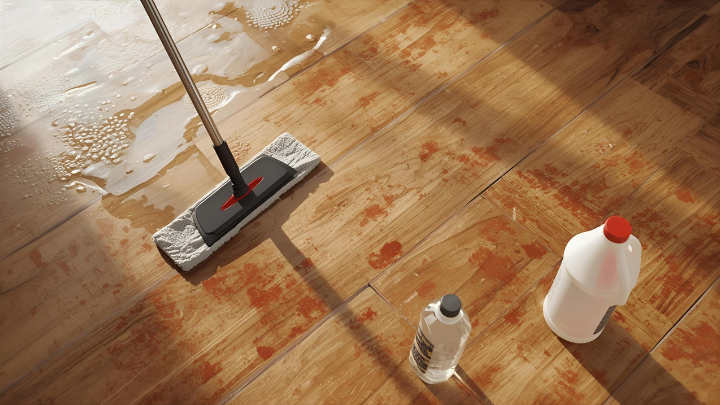
Even with the best intentions, many homeowners make mistakes that can shorten the life of their wood floors. Knowing what to avoid is just as important as learning the right cleaning methods.
Harsh Chemicals That Damage Finish: Strong cleaners such as ammonia, bleach, or vinegar-based solutions may seem effective, but they strip away protective coatings and leave floors looking dull. Stick to pH-neutral, wood-safe products designed specifically for hardwood or engineered wood surfaces.
Ignoring Small Spills and Dirt Buildup: Spills left unattended can stain the wood or seep below the surface, while dirt and grit act like sandpaper, scratching the finish over time. Clean spills right away and sweep or dust regularly to prevent long-term damage.
Steering clear of these mistakes will help your wooden floors remain smooth, shiny, and attractive for many years.
6. Expert Tips for Long-Lasting Wood Floor Maintenance
Hardwood floors are long-term investments that, with proper care, can remain attractive and durable for many years. A few simple habits go a long way in protecting your hardwood or engineered wood flooring. High-traffic areas such as hallways and entryways are more prone to scratches, so placing rugs or runners in these areas helps protect the surface from dirt and grit.
Adding felt pads under furniture legs also prevents dents and scratches when moving chairs or tables. In addition to daily sweeping and weekly mopping, it’s important to schedule a deeper clean every few months. This might include using a wood-specific cleaner to refresh the finish and remove buildup that regular cleaning misses. For additional insights, you can explore this discussion on durable and low-maintenance hardwood options where homeowners share real experiences. Regular maintenance helps floors stay bright and prevents unseen dirt from building up.
Even with good upkeep, floors can gradually lose their luster or show small signs of use. Calling in professionals for polishing, recoating, or refinishing ensures your floors stay in top condition. For engineered wood, professional care helps preserve the thin top layer, while hardwood can be refinished multiple times to look brand new. By combining preventive measures with regular upkeep, your wood floors will stay strong, shiny, and elegant for years to come.
Conclusion
Both hardwood and engineered wood floors can last for decades if cared for properly, and the key lies in consistent, gentle cleaning. Sweeping or dusting daily, mopping with a damp microfiber mop, and using wood-safe cleaning solutions will keep dirt, dust, and spills from causing long-term damage. Engineered wood requires extra caution with moisture, while hardwood benefits from occasional polishing or refinishing to maintain its shine.
No matter which type of wood flooring you have, the right mop and safe cleaning solutions make all the difference. By avoiding excess water, steering clear of harsh chemicals, and sticking to a regular maintenance routine, you can preserve the beauty, durability, and warmth of your floors for years to come.