



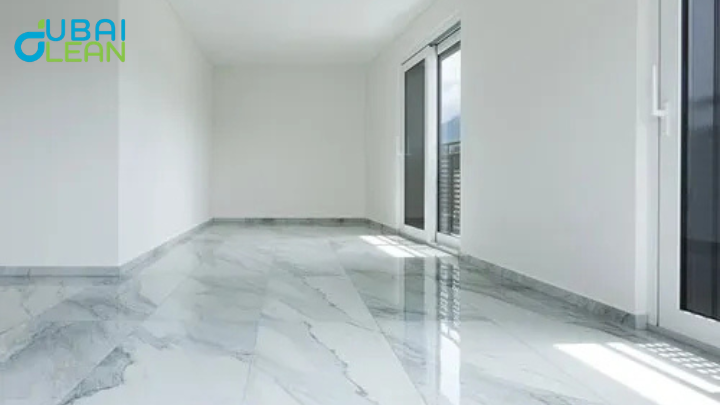
- Marble Floors: Ideal for living rooms, hallways, and entryways exposed to foot traffic and dust.
- Kitchen Countertops: Restore gloss and remove dull patches caused by spills and cooking residues.
- Bathroom Vanities: Perfect for polishing areas affected by water stains and soap scum.
- Marble Tables: Dining or coffee tables can benefit from regular polishing to maintain elegance.
- Wall Cladding & Fireplace Surrounds: Great for decorative marble surfaces that need aesthetic revival.
Conclusion
With years of experience and a reputation for excellence, DubaiClean delivers top-quality marble polishing services that homeowners and businesses trust across the UAE. Their expert team uses professional-grade equipment and safe techniques to restore the natural shine of your marble floors. Committed to reliability, precision, and customer satisfaction, DubaiClean ensures every project reflects elegance, durability, and the high standards that clients have come to expect.
Frequently Asked Questions
Marble surfaces add elegance and luxury to homes, but maintaining their shine can be a challenge. Over time, foot traffic, spills, and dust can dull the natural brilliance of marble. The good news? You don’t always need professionals for touch-ups. With the right techniques and products, you can polish marble at home and bring back its original glow. This guide will walk you through everything you need to know about home marble polishing, from tools and techniques to when to call the experts.
1. Why Polish Marble at Home?
Marble polishing at home is essential to maintain the natural shine and elegance of your flooring. Over time, marble surfaces become dull due to foot traffic, dust, moisture, and everyday wear. Regular polishing helps restore the glossy finish, making your home look clean, luxurious, and well-maintained without needing a full replacement.
Polishing marble at home also protects the surface from stains, scratches, and etching caused by spills and cleaning chemicals. Since marble is a porous natural stone, proper polishing and sealing create a protective layer that enhances durability. This not only improves appearance but also extends the lifespan of your marble floors.
Another major benefit is cost-effectiveness and hygiene. Routine polishing prevents deep damage that can require expensive restoration later. A well-polished marble surface is smoother, easier to clean, and less likely to trap dirt and bacteria—helping you maintain a healthier indoor environment for your family.
2. Tools and Materials You’ll Need
To polish marble at home effectively, you’ll need a marble polishing powder or compound, a soft microfiber cloth, and a low-speed polishing machine or hand buffer for even results. Use clean water, a pH-neutral marble cleaner, and a spray bottle to prepare the surface properly before polishing. For better protection, keep a high-quality marble sealer ready to apply after polishing. Wearing gloves and safety glasses is also recommended to ensure safe and professional handling during the process.
| Tool/Product | Purpose |
| pH-neutral marble cleaner | Cleans without damaging the surface |
| Soft microfiber cloths | For drying and wiping |
| Marble polishing powder | Enhances shine and removes dull spots |
| Variable-speed polisher or drill | Helps distribute polish evenly |
3. Step-by-Step Guide to Polishing Marble at Home
Start by thoroughly cleaning the marble surface with a pH-neutral cleaner to remove dust, dirt, and stains. Make sure the floor is completely dry before applying any polishing powder or compound. If using a polishing machine, attach the appropriate pad and start on a low speed, moving in small circular motions to evenly cover the surface.
Once the surface is polished, wipe off any residue with a clean microfiber cloth. Rinse lightly with water if needed and let the marble dry completely. Finish by applying a marble sealer to protect the shine and prevent future stains, ensuring your marble maintains its glossy, elegant appearance for months.
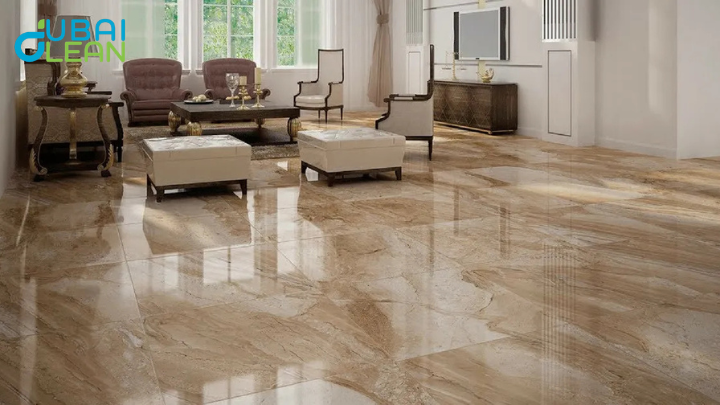
4. Common Mistakes to Avoid
Avoid using acidic or abrasive cleaners, as they can etch or scratch the marble surface. Don’t apply too much polishing compound at once, which can create uneven shine or streaks. Lastly, skipping sealing after polishing can leave marble vulnerable to stains and damage over time. Always make sure to test any product on a small, hidden area first to ensure it doesn’t harm the marble’s natural finish.
- Using Acidic Cleaners: Products like vinegar, lemon juice, or bleach can cause etching and dull the marble’s shine.
- Skipping Surface Preparation: Polishing without proper cleaning traps dust and debris, leading to scratches.
- Applying Too Much Pressure: Excessive pressure can wear down the marble unevenly and damage its surface.
- Using Abrasive Pads or Steel Wool: These tools are too harsh and can leave deep scratches on the marble.
- Overusing Water: Water can seep into porous marble if not dried quickly, causing stains and discoloration.
- Neglecting to Seal After Polishing: Skipping this step leaves your marble vulnerable to future damage and staining.
5. DIY vs Professional Marble Polishing
Polishing marble at home can be cost-effective and convenient for minor dullness or scratches. It allows you to maintain your floors regularly without waiting for a professional visit. However, DIY methods require careful handling, the right tools, and patience to avoid uneven results or accidental damage.
Professional marble polishing offers a deeper, long-lasting shine using industrial-grade equipment and expertise. Experts can restore heavily worn, scratched, or stained surfaces efficiently, saving time and effort. While it comes at a higher cost, the results are more durable, polished, and often backed by service guarantees, making it ideal for large areas or luxury homes.
6. Where You Can Use This Method
The techniques used for polishing marble at home aren’t just limited to floors they can be applied across various surfaces around your home. Whether you’re doing routine maintenance or restoring shine to worn-out areas, here are the most common places where DIY marble polishing works best:
- Marble Floors: Ideal for living rooms, hallways, and entryways exposed to foot traffic and dust.
- Kitchen Countertops: Restore gloss and remove dull patches caused by spills and cooking residues.
- Bathroom Vanities: Perfect for polishing areas affected by water stains and soap scum.
- Marble Tables: Dining or coffee tables can benefit from regular polishing to maintain elegance.
- Wall Cladding & Fireplace Surrounds: Great for decorative marble surfaces that need aesthetic revival.
Conclusion
With years of experience and a reputation for excellence, DubaiClean delivers top-quality marble polishing services that homeowners and businesses trust across the UAE. Their expert team uses professional-grade equipment and safe techniques to restore the natural shine of your marble floors. Committed to reliability, precision, and customer satisfaction, DubaiClean ensures every project reflects elegance, durability, and the high standards that clients have come to expect.