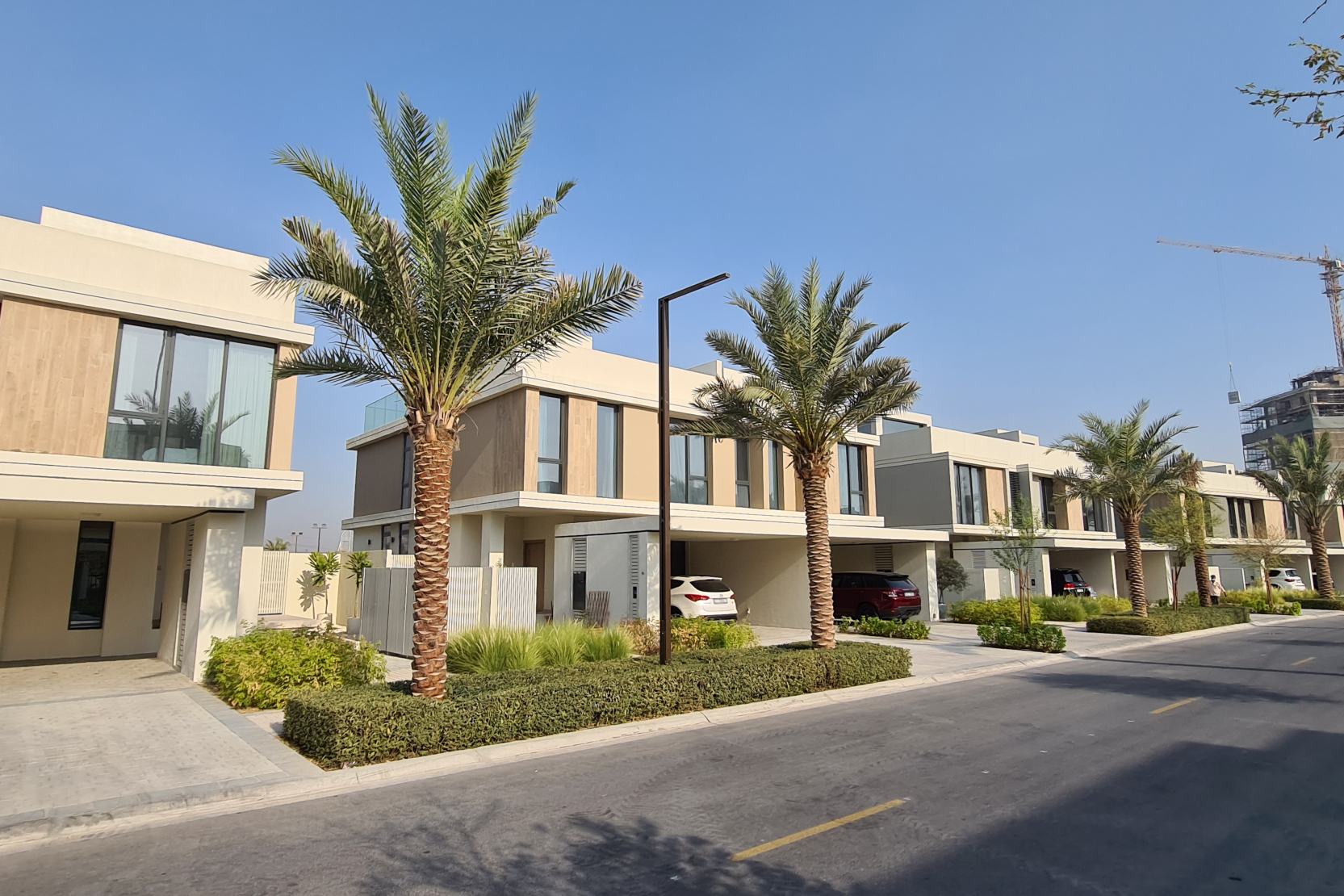



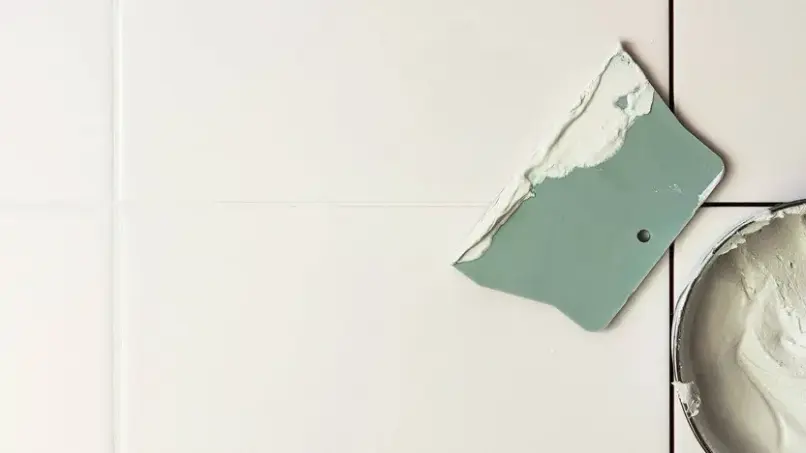
Tile flooring and wall installations are a staple in Mirdif villas, and it’s easy to see why. From living areas to kitchens and bathrooms, tiles provide a cool underfoot surface, a sleek aesthetic, and easy-to-maintain durability. One element that homeowners often overlook, however, is grout – the material that holds tiles in place and seals gaps to prevent water and dirt infiltration. Over time, grout can degrade due to constant foot traffic, humidity, water exposure, dust, and Dubai’s arid climate, which can lead to hygiene and structural issues.
If you’re concerned about your villa’s tiles, professional tile re‑grouting and maintenance services can help restore both their appearance and functionality. This guide will help Mirdif villa owners identify when tiles need re‑grouting, understand the process, avoid common mistakes, estimate costs, and maintain grout for years of hassle-free living.
Why Grout Needs Attention in Mirdif Villas
Grout is more than just filler; it’s the structural glue of your tiled surfaces. High-traffic areas like kitchens, bathrooms, and entryways are particularly vulnerable to wear. The combination of constant water exposure, heavy foot traffic, and Dubai’s dusty environment accelerates the deterioration of grout.
Here’s what happens when grout is neglected:
- Cracking, shrinking, or falling out: Old grout leaves gaps where dirt, mold, and water collect.
- Water seepage behind tiles: Compromised grout allows moisture to penetrate subfloors and walls, potentially causing structural damage.
- Discoloration and stains: Persistent dark or moldy lines make tiles look unsanitary despite regular cleaning.
Recognizing early signs can prevent expensive repairs and protect the health of your home environment.
What Are the Signs That Your Tiles Need Re‑grouting
It’s not always obvious when grout has failed, but the following warning signs are hard to ignore:
- Cracked or crumbling grout lines
- Missing grout between tiles
- Dark stains or discoloration that return after cleaning (signs of mold or mildew)
- Loose or hollow tiles (tap the tile lightly to check for hollow sound)
- Persistent damp smell in bathrooms or kitchens
- Water is pooling on tiled floors despite drying
Common Grout Issues & Their Implications
| Grout Issue | What It Means | Risk if Ignored |
| Cracks / Crumbling | Grout aging or poor original quality | Water seepage, tile loosening |
| Missing grout | Grout eroded over time | Dirt buildup, mold growth, weakening |
| Discoloration / stains | Moisture infiltration, mold growth | Health hazard, unsightly flooring |
| Hollow / loose tiles | Under-tile adhesion compromised | Tile breakage, further damage |
| Persistent dampness | Leakage behind grout | Wall/floor damage, bad odor |
Types of Grout and Which to Use When Re‑grouting
Choosing the right grout is essential for longevity and performance. Different areas in a villa require different grout types:
- Sanded Grout: Ideal for floor tiles and wide joints; durable for heavy traffic areas.
- Unsanded Grout: Best for wall tiles with narrow joints; smooth finish.
- Epoxy Grout: Highly resistant to water and stains, perfect for bathrooms and kitchens.
- Flexible Grout / Grout + Sealant: Designed for outdoor tiles and balcony areas exposed to temperature changes.
Each type has pros and cons, and selecting the wrong one can reduce lifespan and increase maintenance costs.
Professional Tile Re‑grouting Process (Step-by-Step)
Re‑grouting is not just about aesthetics; proper technique ensures durability. Here’s how professionals approach it:
- Initial inspection & assessment: Check tile adhesion and underlying water damage.
- Removal of old grout: Carefully remove grout without damaging tiles.
- Cleaning tile joints: Eliminate dust, mold, and residues.
- Surface preparation: Ensure joints are dry and ready.
- Mixing grout: Follow the correct water-to-powder ratio; add additives if required.
- Applying new grout: Fill joints.
- Wiping & smoothing: Remove excess grout and finish joints.
- Curing/drying: Follow manufacturer guidelines.
- Sealing grout lines: Especially for wet areas to prevent future water damage.
Re‑grouting Time Estimate (Typical Mirdif Villa Areas)
| Area / Task | Estimated Time |
| Small bathroom (floor + wall) | 4-6 hours |
| Medium kitchen (floor + wall) | 6-8 hours |
| Large villa floor (some rooms) | 1-2 days |
| Balcony / outdoor tiles | 5-7 hours |
Common Mistakes Homeowners or DIY‑ers Make With Grout: And Why They Hurt
Even small mistakes can lead to big problems:
- Not removing old grout completely weak adhesion and future cracking.
- Using the wrong grout type premature wear and poor durability.
- Incorrect grout-to-water ratio, improper curing, and weak joints.
- Skipping sealing water seepage, mold risk in wet areas.
- Applying grout on damp surfaces poor bonding and shrinkage.
- Ignoring the subfloor inspection, underlying moisture damage remains.
Professional assessment can prevent these costly errors.
How Often Should a Mirdif Villa Get Re‑grouting / Grout Maintenance
Frequency depends on area usage and exposure:
- Bathrooms & kitchens: Inspect every 1-2 years; re‑grout as needed.
- Living areas / low-traffic zones: Inspect every 3-4 years.
- Outdoor tiles/balconies: Inspect every 2 years.
- Minor maintenance: Clean grout monthly; reseal annually in wet zones.
Maintenance Tips to Prolong Grout Life
- Use pH-neutral, non-abrasive tile cleaners (avoid bleach or strong acids).
- Wipe spills immediately, especially oils and colored liquids.
- Keep bathrooms/kitchens well-ventilated to prevent moisture buildup.
- Seal grout annually (or per manufacturer instructions) in wet areas.
- Avoid dragging heavy furniture across tiles.
- Schedule professional inspection/cleaning every 1-2 years.
Ignoring grout issues may seem harmless, but it can quickly escalate into water damage, mold growth, and tile loosening. Timely re‑grouting and proper maintenance protect both your investment and your family’s health.
Conclusion
Tile re‑grouting is a vital, often overlooked maintenance task for Mirdif villa owners. Regular monitoring, timely professional intervention, and consistent upkeep can save high costs while keeping your villa floors and walls pristine. Trust DubaiClean for professional re‑grouting solutions, ensuring your tiles remain beautiful, safe, and long-lasting.
For further guidance on building material maintenance and safety, refer to the Dubai Municipality Building Regulations & Publications page.