


As we navigate another warm Dubai day, our reliance on air conditioning remains absolute. But beyond the comfort it provides, have you truly considered the intricate mechanics and the profound impact your AC system has on the very air you and your family breathe? As a professional who has dedicated years to understanding and optimizing these complex systems, I want to share a deeper insight into why a comprehensive AC system cleaning isn’t just maintenance – it’s a critical health intervention, underpinned by precise technical processes and specialized tools. My aim is not just to inform, but to empower you with the knowledge that ensures a healthier living environment.
The Microcosm of Your AC: A Technical Deep Dive into Indoor Air Pollution
In Dubai’s unique climate, characterized by high ambient temperatures, significant dust, and elevated humidity levels, your air conditioning system operates under immense stress. This operational reality fosters a specific set of challenges for indoor air quality. It’s not just visible dust; we’re dealing with a complex bioaerosol mixture. Within the dark, damp, and often undisturbed internal components of your AC, a microbial ecosystem can flourish. This includes:
- Fungi (Molds): Species like Aspergillus and Penicillium thrive on organic dust in humid conditions. Their spores, typically measuring 2-10 micrometers, are easily aerosolized and can trigger allergic reactions, asthma exacerbations, and even hypersensitivity pneumonitis in susceptible individuals.
- Bacteria: Biofilms forming on coils and drain pans can harbor various bacteria, including some pathogenic strains.
- Volatile Organic Compounds (VOCs): These are off-gassed by microbial growth and can contribute to “sick building syndrome” symptoms, including headaches, dizziness, and respiratory irritation.
- Particulate Matter (PM2.5 and PM10): Fine dust and desert sand, invisible to the naked eye, consistently infiltrate our homes. These particles bypass standard filters and accumulate within the system. PM2.5 (particulate matter less than 2.5 micrometers in diameter) is particularly concerning as it can penetrate deep into the lungs and even enter the bloodstream, contributing to respiratory and cardiovascular diseases, as recognized by leading health organizations.
Consider the cumulative effect: your AC system, designed to cool and filter, can inadvertently become a dispersal mechanism for these contaminants if not properly maintained. The health implications for developing lungs in children, compromised immune systems, or individuals managing chronic respiratory conditions are significant and well-documented in environmental health studies.
Deconstructing the Process: The Anatomy of a Full AC System Cleaning
A truly effective full AC system cleaning goes far beyond a cursory wipe-down. It’s a multi-stage, technically precise operation designed to address microbial growth, particulate accumulation, and optimize thermodynamic efficiency.
Here’s a breakdown of the critical technical steps and specialized equipment involved:
- System De-energization and Safety Protocols: Before any work begins, the AC unit’s power supply is completely disconnected at the breaker. This is a non-negotiable safety measure, preventing electrical shock or damage to the system components during the cleaning process. Lockout/tagout procedures are strictly followed.
- Indoor Unit (Fan Coil Unit) Disassembly & Preparation:
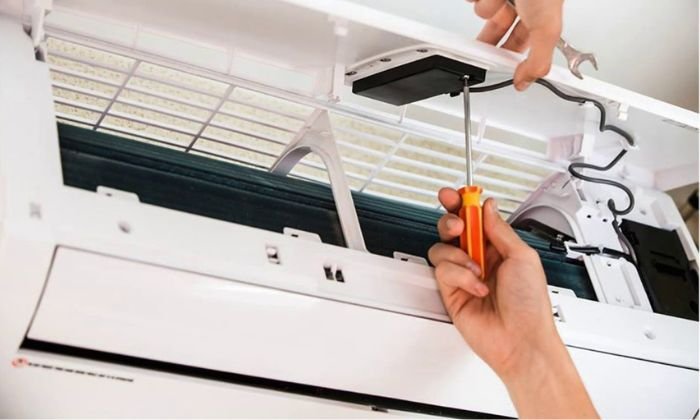
- External Enclosure Removal: The cover, louvers, and sometimes the front panel are carefully detached to expose internal components.
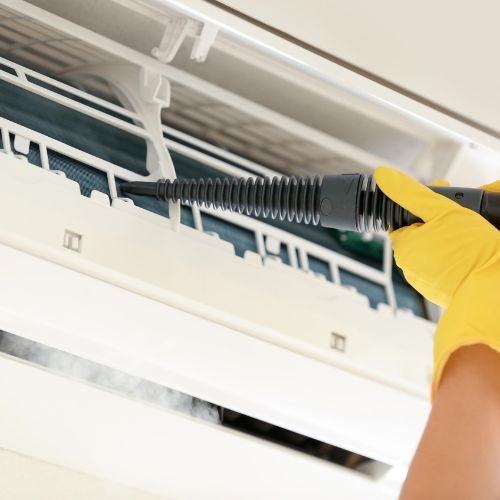
- Coil Protection & Containment: A specialized coil cleaning bag or containment system is crucial. This water-resistant funnel system is meticulously secured around the indoor unit to collect all cleaning solutions, flushed contaminants, and wastewater, directing them into a designated container. This prevents damage to your flooring, walls, and furniture.
- Evaporator Coil Cleaning (Hydraulic Flushing & Biocide Application): This is the heart of the health clean. We utilize a high-pressure coil cleaning pump (often with adjustable PSI, typically between 100-200 PSI) paired with a narrow-spray nozzle to thoroughly flush the evaporator fins. This powerful stream dislodges embedded dust, dirt, and biological growth.
- Simultaneously, an EPA-registered, non-toxic, and biodegradable HVAC coil cleaner and biocide/fungicide solution is applied. This solution is specifically formulated to break down biofilms, kill mold spores, bacteria, and viruses on contact, and neutralize odors. Adequate dwell time is allowed for the chemicals to work effectively before thorough rinsing.
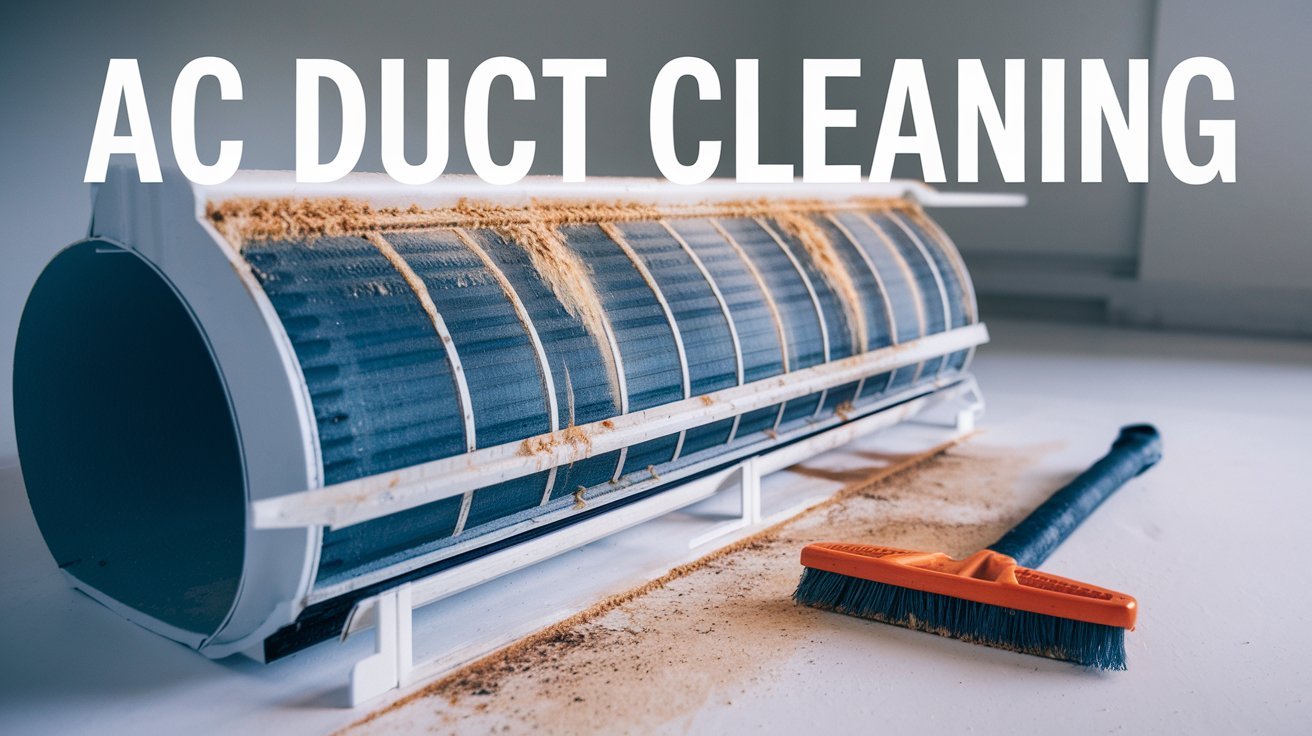
- Blower Assembly Removal & Cleaning: The blower wheel and squirrel cage assembly are often removed for a meticulous cleaning. These components are notoriously difficult to clean in situ. A dedicated brush system and the same biocide solution are used to remove thick layers of accumulated dust, pet dander, and biological slime, which can significantly impede airflow and act as an incubator for airborne pathogens.
- Drain Pan & Condensate Line Cleaning & Disinfection: The drain pan, a common breeding ground for mold due to constant moisture, is physically scrubbed and disinfected. The condensate drain line is then flushed with a high-pressure water jet or a specialized drain line pump to clear any blockages (often caused by algal growth or sludge), ensuring proper drainage and preventing water overflow and secondary mold growth in ceilings or walls.
- Outdoor Unit (Condenser Unit) Cleaning:
- Power Isolation: Similar to the indoor unit, the outdoor unit’s power is isolated for safety.
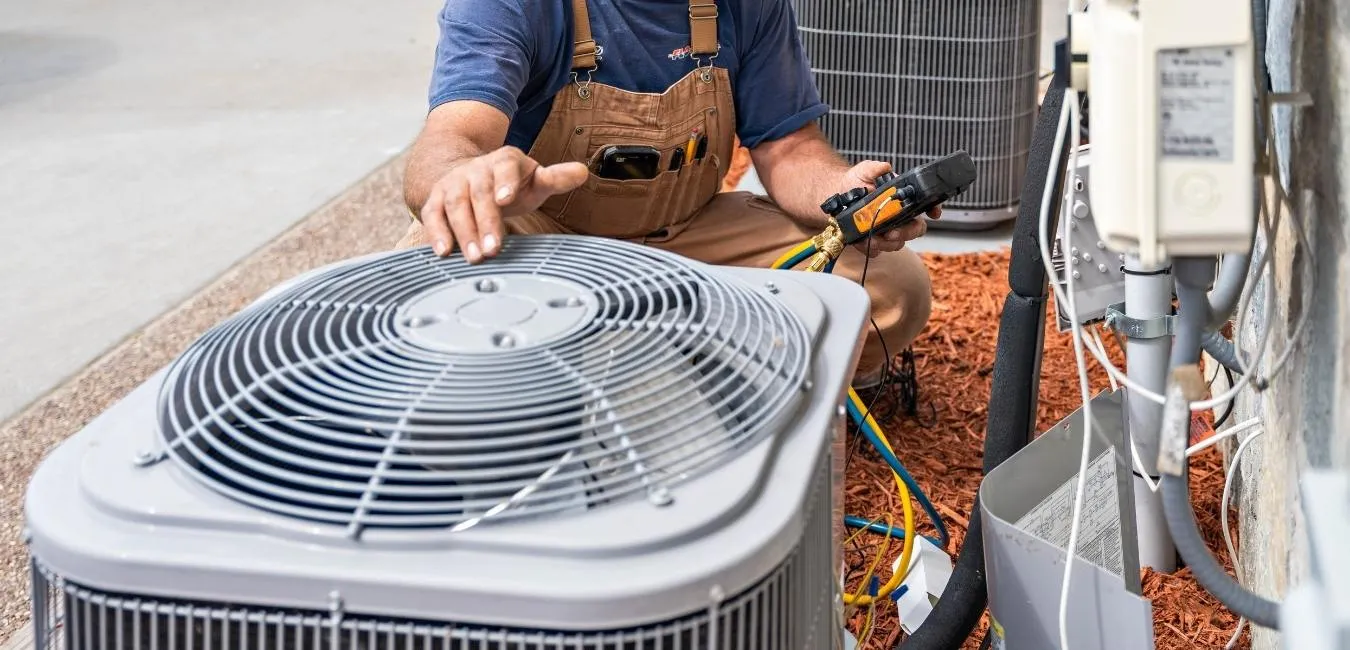
- Fin Cleaning (Low-Pressure Rinse/Coil Cleaner): The condenser coils, exposed to Dubai’s harsh environment, accumulate dust, sand, and even salt residue. These are cleaned using a lower-pressure wash (to avoid bending delicate aluminum fins) or specialized condenser coil cleaning solutions that safely dissolve stubborn grime, enhancing heat transfer efficiency.
- Fan Blade & Enclosure Debris Removal: Large debris, leaves, or plastic bags are manually removed from around the fan blades and the unit’s enclosure to ensure unobstructed airflow.
- Reassembly & System Verification: Once all components are thoroughly cleaned and dry, the unit is carefully reassembled. The system is then re-energized, and operational checks are performed, including airflow measurement (using an anemometer), temperature differential across coils (delta-T readings), and drain integrity to confirm optimal performance.
The Health Return on Investment: Quantifiable Benefits
The meticulous application of these technical processes translates directly into tangible health benefits:
- Significant Reduction in Airborne Pathogens: By eradicating mold, bacteria, and viruses from the coils and blower, we demonstrably lower the concentration of these bioaerosols in your indoor air. This lessens the immunological burden on your family, leading to fewer instances of respiratory irritation, allergies, and infections.
- Improved Respiratory Symptom Management: For individuals with chronic conditions like asthma or COPD, the reduction in triggers means more stable symptoms, potentially fewer emergency visits, and a better quality of life. Medical data consistently shows a correlation between cleaner indoor environments and reduced frequency of respiratory flare-ups.
- Elimination of VOCs and Odors: The removal of microbial growth directly addresses the source of musty or “dirty sock” syndrome odors, contributing to a fresher, more pleasant living environment that signifies healthier air.
- Optimal Thermal Comfort & Efficiency: While secondary to health, the improved heat transfer coefficient across clean coils means your AC cools more effectively and efficiently. This translates to more stable indoor temperatures without the system constantly cycling, reducing energy waste and prolonging the life of your compressor – often the most expensive component.
Nurturing a Resilient Home Environment: Beyond the Professional Clean
To maintain this peak level of indoor air quality, your ongoing engagement is key. Consider these expert recommendations:
- High-Efficiency Filtration: Transition from basic fiberglass filters to MERV (Minimum Efficiency Reporting Value) 8-13 pleated filters. MERV 8 filters capture smaller particles (down to 3-10 micrometers), including mold spores and pet dander. MERV 11-13 filters offer superior capture rates for finer particles (1-3 micrometers), including some bacteria and virus carriers. Remember, higher MERV ratings require more frequent checks due to potential airflow restriction.
- Indoor Air Quality (IAQ) Monitoring: Consider investing in a consumer-grade IAQ monitor that tracks PM2.5 levels, VOCs, temperature, and humidity. This provides real-time data and allows you to understand the effectiveness of your AC system and identify potential issues.
- Strategic Ventilation: On cooler, less dusty days (often during winter months or after rain), engage in cross-ventilation by opening windows on opposite sides of your home for brief periods. This helps exchange indoor stale air with fresh outdoor air.
- Humidity Management: Maintain indoor relative humidity levels between 30% and 50%. In Dubai, a properly functioning AC system usually manages this, but additional dehumidifiers can be beneficial in isolated areas like bathrooms or basements if prone to dampness.
Complementary Advanced Solutions for Superior Air Quality
To truly optimize your home’s air quality and fortify your family’s health, consider these advanced interventions:
- HVAC Duct Decontamination: This involves using specialized rotary brush systems with HEPA-filtered vacuum extraction to physically remove accumulated dust, debris, and microbial growth from inside your ductwork. Following mechanical cleaning, an atomized antimicrobial mist (applied via fogging equipment) can be introduced to disinfect the ductwork surfaces. This prevents clean air from your AC unit from picking up contaminants before it reaches your living spaces.
- UV-C Light Sterilization: Installation of UV-C germicidal lamps within the AC’s air handling unit, specifically targeting the evaporator coil and drain pan, provides continuous disinfection. UV-C light disrupts the DNA of mold spores, bacteria, and viruses, preventing their reproduction and aerosolization.
- Electronic Air Cleaners / Ionizers: While requiring careful consideration of ozone production, advanced electronic air cleaners can effectively remove sub-micron particles from the air stream.
The Ultimate Investment: A Lifetime of Health and Comfort
In Dubai, your AC system is not just an appliance; it’s a vital component of your home’s health infrastructure. By understanding the detailed technical processes involved in a comprehensive cleaning and embracing a proactive approach to indoor air quality, you are making a profound investment. This isn’t just about prolonging the life of your unit; it’s about extending the healthy, vibrant lives of your loved ones. It’s about providing an environment where children can breathe deeply and thrive, where individuals with sensitivities can find genuine relief, and where every family member can enjoy the peace of mind that comes from living in a truly clean and healthy home. The comfort and longevity are welcome bonuses, but the paramount benefit is the safeguarded health of your family.