


Let’s be honest – no one likes the idea of mold hiding in their duct work. It’s out of sight, out of mind until you start noticing musty smells, coughing more than usual, or spotting black spots near vents.
If you’re dealing with mold in your ducts, don’t panic. It’s a common problem, especially in humid environments like Dubai. The good news? With the right approach, you can handle it safely and effectively, or know when to call in a pro.
In this guide, we’ll walk you through how to clean mold out of duct work naturally and thoroughly. Let’s clear the air – literally.
What Causes Mold in Air Ducts?
Before jumping into cleaning, it helps to understand how mold ends up there in the first place.
Here are the most common causes:
| Cause | Why It Leads to Mold |
| High humidity or condensation | Moisture builds up in ducts |
| Poor ventilation | Traps warm, damp air |
| Dust and debris buildup | Provides food for mold |
| Leaky ductwork or AC unit | Creates damp conditions |
| Long gaps between cleanings | Allows mold to grow unnoticed |
Mold thrives in warm, damp, and dark places – just like your duct work.
Signs You Might Have Mold in Duct Work
You don’t need to see thick green fuzz to suspect a mold problem. Watch for these common signs:
- Musty, damp smell coming from vents
- Allergy-like symptoms (sneezing, itchy eyes, coughing) indoors
- Visible black or green spots around vents
- Uneven airflow or dust blowing from vents
- Family members getting sick more often
If you notice any of these, it’s worth investigating.
How to Clean Mold Out of Duct Work: Step-by-Step
First Things First: Safety!
Before you begin, make sure to:
- Turn off your HVAC system
- Wear protective gloves, mask (preferably N95), and goggles
- Ensure good ventilation in the area
- Keep children and pets away
Let’s get started.
Step 1: Inspect the Ducts
Open your vent covers and use a flashlight to look inside.
What you’re checking for:
- Black spots, white fuzz, or green growth
- Condensation or leaks
- Dust mixed with damp patches
If the visible area is moldy, chances are it has spread deeper.
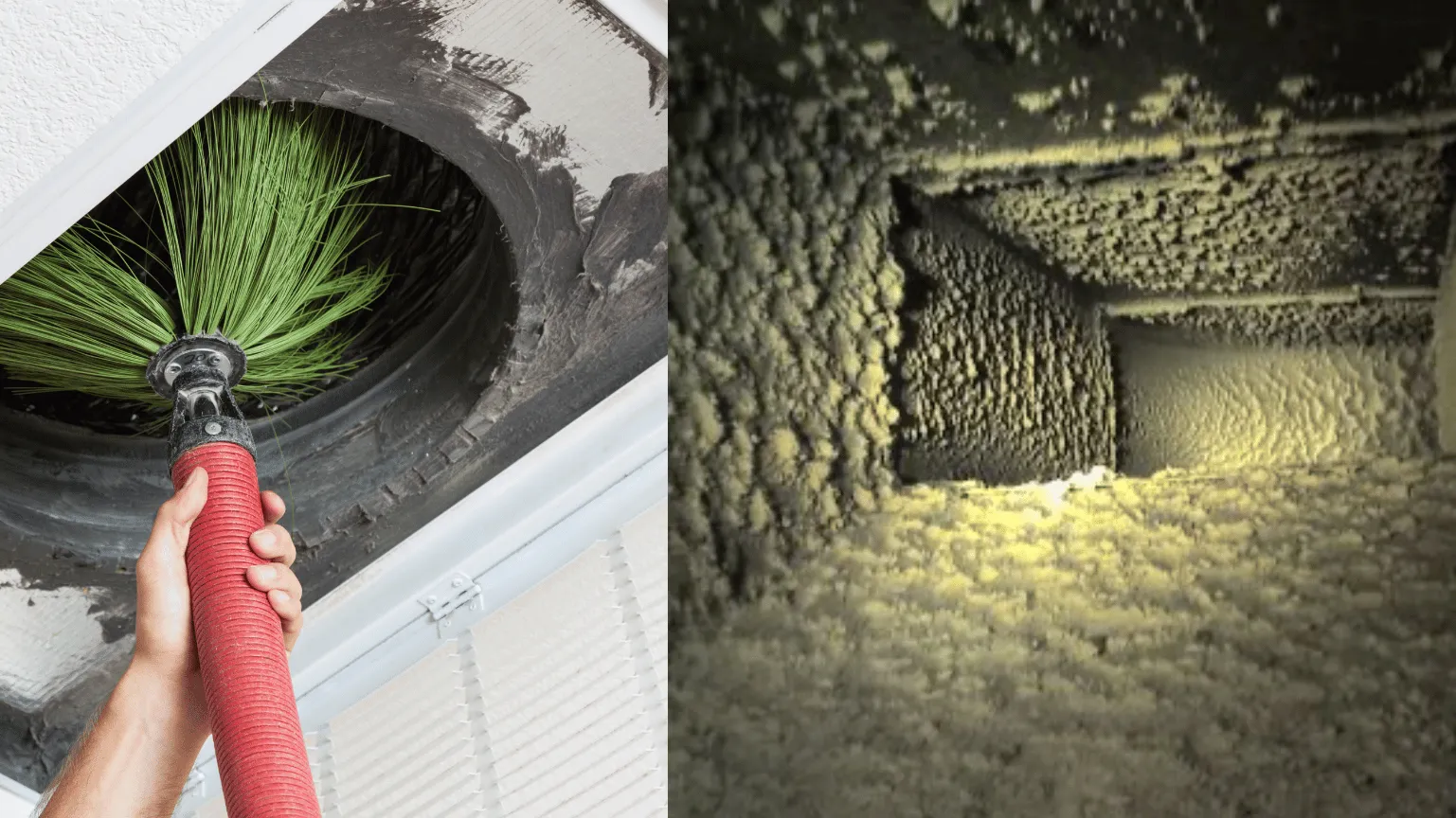
Step 2: Vacuum Out Loose Debris
Using a vacuum with a long hose (preferably with a HEPA filter), vacuum:
- Inside the ducts (as far as you can reach)
- Around the vent covers
- Any visible moldy dust
Tip: Tape a clean rag to the end of the hose for extra reach and wipe as you vacuum.
Step 3: Prepare a Natural Cleaning Solution
Avoid using harsh chemicals in your air system. A natural antifungal solution is safer and effective.
Mix one of the following:
| Option | Ingredients |
| Vinegar Spray | 1 part white vinegar + 1 part water |
| Hydrogen Peroxide | 3% hydrogen peroxide (undiluted) |
| Baking Soda Spray | 1 tbsp baking soda + 2 cups water |
| Essential Oil Mix | Tea tree oil + water (few drops) |
Pour the mixture into a spray bottle.
Step 4: Scrub and Spray
- Spray the affected duct area with your cleaner.
- Let it sit for 10-15 minutes.
- Use a long-handled brush or microfiber cloth to scrub the mold.
- Wipe down the area with a clean, dry rag.
- Repeat if needed.
Don’t forget to spray and wipe down the vent covers too.
Step 5: Replace or Clean Air Filters
Mold spores often settle in your HVAC filters, which can continue circulating them.
- Replace disposable filters
- Wash reusable filters with hot, soapy water and let them dry completely before reinstalling
Doing this is essential to stop mold from coming back.
Step 6: Dry Everything Thoroughly
Mold loves moisture. After cleaning, leave vents open and run fans or a dehumidifier in the room to help dry out the duct interiors.
Do NOT turn the HVAC back on until:
- All visible moisture is gone
- The cleaned areas are fully dry
Otherwise, you’ll just restart the problem
Step 7: Monitor and Prevent Future Mold
After cleaning, keep an eye on your ducts for the next few days. If the smell or symptoms return, deeper professional cleaning may be needed.
Here’s how to keep mold from coming back:
| Prevention Tip | Why It Helps |
| Use a dehumidifier | Reduces moisture in the air |
| Clean ducts regularly | Prevents buildup |
| Seal duct leaks | Stops moisture from entering |
| Replace filters monthly | Filters trap spores and dust |
| Keep vents dust-free | Removes mold food sources |
When to Call Professionals
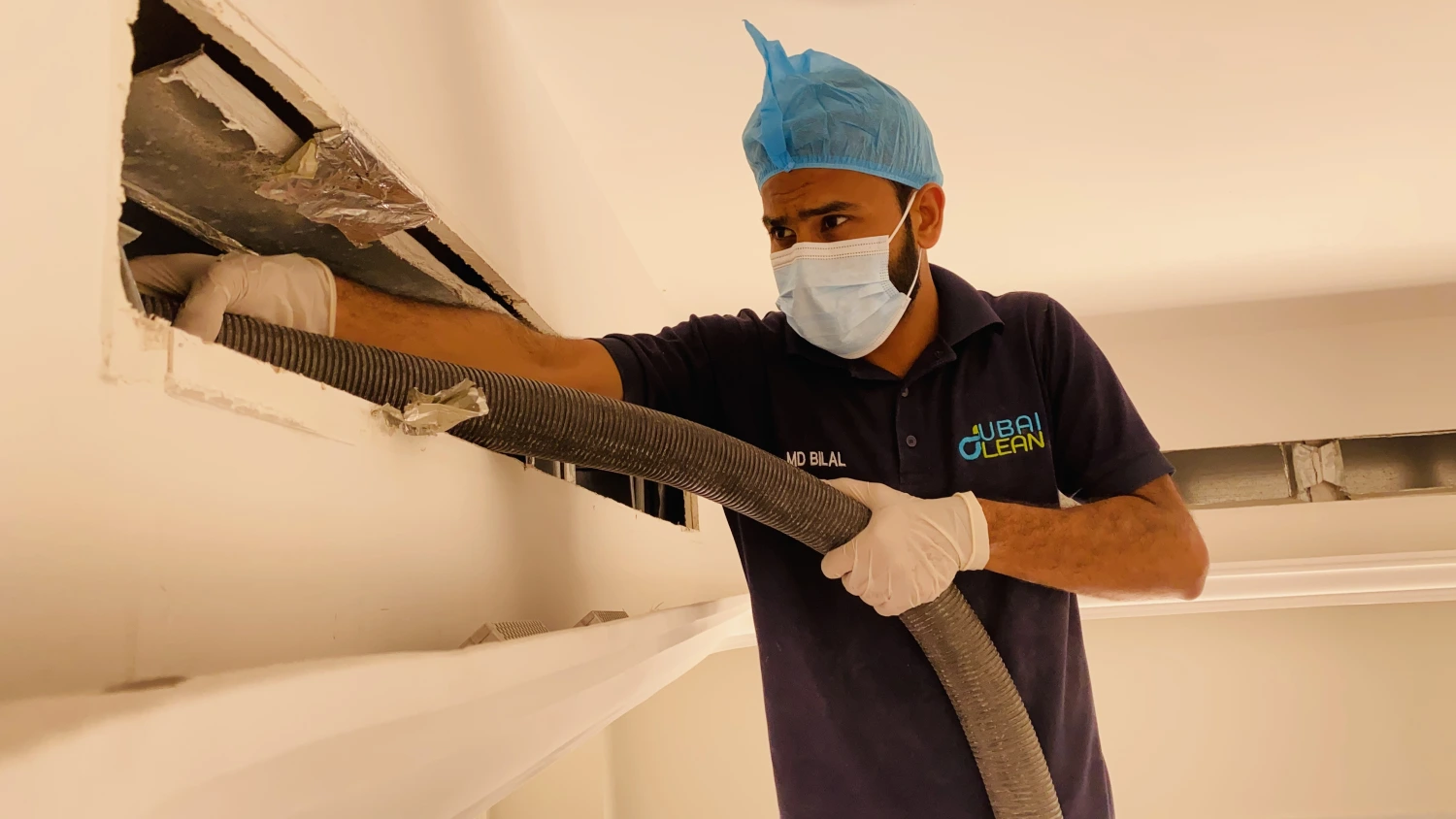
Sometimes mold spreads deeper than what’s visible. If you notice:
- Recurring symptoms
- Mold reappearing quickly
- Strong musty smell even after cleaning
- Mold near the AC unit or inside the walls
It’s time to contact a professional duct cleaning service for a safe, deep clean.
Summary Table: Quick Mold Cleaning Checklist
| Step | Action | Tools Needed |
| 1. Inspect | Look for mold signs inside vents | Flashlight |
| 2. Vacuum | Remove loose debris and dust | HEPA vacuum |
| 3. Mix Solution | Use vinegar, peroxide, or baking soda | Spray bottle |
| 4. Scrub & Spray | Apply and scrub thoroughly | Brush, gloves, cloth |
| 5. Change Filters | Replace or wash HVAC filters | New filter / soap |
| 6. Dry It Out | Air-dry vents and prevent moisture | Fan or dehumidifier |
| 7. Prevent Mold | Maintain airflow, reduce humidity | Ongoing habit |
FAQs
Final Thoughts
Dealing with mold in your ductwork might sound overwhelming – but it’s manageable with the right steps. Whether you’re a DIYer or calling in experts, knowing how to clean and prevent mold gives you peace of mind and a healthier home.
Clean air starts in clean ducts. So take action, breathe easier, and stay mold-free.