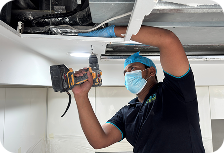

Finding cheap kitchen hood cleaning near Sharjah is essential for maintaining a healthy and efficient kitchen environment. Kitchen hoods work continuously to remove smoke, grease, and cooking odors, making regular maintenance crucial for optimal performance. Understanding proper cleaning techniques and maintenance schedules helps homeowners keep their kitchen hoods functioning effectively without breaking the bank.
Kitchen hoods serve as the first line of defense against cooking fumes, grease particles, and unwanted odors. Over time, these systems accumulate significant buildup that can reduce efficiency and create potential health hazards. Regular kitchen hood cleaning ensures your hood continues to protect your kitchen environment effectively.
Kitchen hoods operate by creating negative pressure that draws contaminated air through filters and exhausts it outside. When filters become clogged with grease and debris, this process becomes less efficient, leading to poor air quality and increased energy consumption.
Professional cleaning techniques vary depending on the type and condition of your kitchen hood. Understanding these methods helps you make informed decisions about maintenance and care for your equipment.
Comprehensive hood cleaning involves multiple steps including filter removal, degreasing, sanitization, and component inspection. Each step requires specific techniques and tools to achieve optimal results without damaging sensitive components.
Kitchen exhaust hood cleaning involves various factors that influence the overall investment required. The complexity of your system, accessibility, and current condition all play roles in determining the resources needed for proper maintenance.
Several elements impact the cleaning process including hood size, filter type, ductwork complexity, and frequency of use. Commercial-grade hoods typically require more intensive cleaning due to higher usage levels and grease accumulation.
Rangehood cleaning requirements depend on the specific model, installation type, and maintenance history. Island hoods, wall-mounted units, and under-cabinet models each present unique cleaning challenges that affect the overall process.
Various hood designs require different cleaning approaches. Downdraft systems, chimney hoods, and range inserts each have specific maintenance needs that influence the cleaning process and techniques required.
The most effective hood cleaning approach combines proper preparation, appropriate cleaning products, and systematic methodology. Professional techniques ensure thorough cleaning while protecting delicate components from damage.
Expert cleaning begins with complete system assessment, followed by filter removal and component disassembly. Specialized degreasers break down accumulated buildup, while steam cleaning sanitizes and removes stubborn residues.
Cleaning frequency depends on cooking habits, hood usage, and the types of food prepared regularly. Heavy cooking with oils and frying requires more frequent cleaning than light cooking with minimal grease production.
Different cooking patterns require adjusted cleaning schedules. Frequent deep frying, wok cooking, or high-volume meal preparation necessitates more regular maintenance than occasional cooking activities.
Modern kitchen hoods often incorporate automatic cleaning features that use steam, heat, or specialized cycles to maintain cleanliness. These systems provide convenient maintenance options between professional cleanings.
Auto-clean functions typically operate through controlled heating that liquefies grease deposits, allowing them to drain into collection areas. Some systems use steam injection to break down buildup and sanitize surfaces.
Interior hood cleaning is possible with proper techniques and safety precautions. Understanding which components can be safely cleaned and which require professional attention ensures effective maintenance without equipment damage.
Homeowners can safely clean accessible interior surfaces using appropriate degreasers and cleaning tools. However, electrical components, motors, and complex ductwork should be left to qualified professionals.
Water usage in hood cleaning requires careful consideration of electrical components and moisture-sensitive areas. Proper techniques ensure effective cleaning while protecting your equipment from water damage.
When using water for hood cleaning, ensure all electrical connections are protected and power is disconnected. Focus on removable components that can be safely washed and dried thoroughly before reinstallation.
Self-cleaning hoods feature integrated systems that automatically maintain cleanliness through various mechanisms. These technologies reduce manual maintenance requirements while ensuring consistent performance.
Different self-cleaning technologies include pyrolytic cleaning, steam systems, and automated degreasing cycles. Each approach offers unique benefits and maintenance schedules for optimal performance.
Hood cleaning complexity varies depending on the system design, accessibility, and current condition. While basic maintenance is manageable for most homeowners, comprehensive cleaning often requires specialized knowledge and equipment.
Simple exterior cleaning and filter maintenance can be handled by most homeowners. However, internal ductwork, motor cleaning, and electrical component maintenance require professional expertise for safety and effectiveness.
Among household maintenance tasks, kitchen hood cleaning ranks among the most challenging due to grease buildup, accessibility issues, and safety considerations. Commercial systems present even greater complexity.
Hardened grease deposits, confined spaces, electrical hazards, and component fragility all contribute to cleaning difficulty. Professional equipment and expertise overcome these challenges effectively.
Interior hood cleaning requires systematic approach and proper safety measures. Understanding the correct sequence and techniques ensures thorough cleaning without equipment damage.
Begin with power disconnection and component assessment. Remove accessible parts for separate cleaning, apply appropriate degreasers, and work systematically from top to bottom. Always dry components thoroughly before reassembly.
Cleaning duration varies based on hood size, condition, and cleaning method employed. Thorough cleaning typically requires several hours to ensure all components receive proper attention.
Regular maintenance reduces cleaning time by preventing heavy buildup. Professional services work more efficiently due to experience and specialized equipment, while DIY cleaning may require additional time for learning and safety precautions.
Power washing hood interiors poses significant risks to electrical components and sensitive parts. High-pressure water can cause damage and create safety hazards that outweigh any cleaning benefits.
Steam cleaning, specialized hood cleaning equipment, and appropriate chemical degreasers provide effective cleaning without power washing risks. These methods achieve thorough results while protecting your equipment.
Hood filter cleaning frequency depends on cooking habits and filter type. Regular filter maintenance prevents system degradation and maintains optimal air quality in your kitchen.
Grease filters typically require cleaning every few weeks, while charcoal filters may need replacement rather than cleaning. Establish a routine based on your cooking patterns and filter condition monitoring.
Kitchen hoods consist of multiple components that work together to maintain air quality. Fans, filters, ductwork, and control systems each require specific maintenance approaches for optimal performance.
Different hood components have varying maintenance needs and cleaning requirements. Understanding these differences helps develop effective maintenance routines and identify when professional service is needed.
Effective hood maintenance involves regular cleaning schedules, proper filter care, and prompt attention to performance issues. These practices extend equipment life and maintain optimal functionality.
Regular exterior cleaning, filter monitoring, and performance observation help identify maintenance needs before they become major problems. Simple preventive measures significantly reduce long-term maintenance requirements.
Kitchen hoods may develop various performance issues over time. Understanding common problems and their solutions helps maintain optimal operation and identify when professional service is required.
Reduced suction, unusual noises, persistent odors, and visible buildup all indicate maintenance needs. Addressing these issues promptly prevents more serious problems and maintains air quality.
Hood cleaning involves various safety considerations including electrical hazards, chemical exposure, and equipment handling. Understanding these risks ensures safe maintenance practices.
Always disconnect power before cleaning, use appropriate personal protective equipment, and follow manufacturer guidelines. When in doubt, consult professional services to ensure safety and proper maintenance.
Understanding the advantages of consistent hood maintenance helps homeowners appreciate the importance of regular cleaning routines. These benefits extend beyond simple cleanliness to encompass health, safety, and efficiency improvements.
| Benefit Category | Specific Advantages | Impact on Home |
| Health & Safety | Removes harmful bacteria and grease buildup | Cleaner air quality, reduced fire hazards |
| Performance | Maintains optimal suction power | Better smoke and odor removal |
| Energy Efficiency | Reduces motor strain and energy consumption | Lower electricity bills |
| Equipment Longevity | Prevents premature wear and tear | Extended hood lifespan |
| Air Quality | Eliminates trapped odors and particles | Fresher kitchen environment |
| Maintenance Cost | Prevents major repairs and replacements | Reduced long-term expenses |
| Aesthetic Appeal | Keeps hood looking clean and new | Enhanced kitchen appearance |
| Compliance | Meets manufacturer warranty requirements | Protected investment |
Proper hood maintenance contributes to environmental responsibility through improved energy efficiency and reduced waste. Clean hoods operate more efficiently, consuming less energy and lasting longer.
Using environmentally safe cleaning products and maintaining optimal equipment efficiency reduces environmental impact. Regular maintenance prevents premature equipment replacement and associated waste.
Due to frequent cooking and humid conditions, cleaning your kitchen hood every 2–3 months is recommended to maintain optimal performance and hygiene.
Specialized degreasers are more effective because regular household cleaners may not adequately remove accumulated grease and oil deposits.
Common signs include reduced suction power, lingering cooking odors, visible grease buildup, excessive smoke, and unusual operating noises.
Auto-clean features can assist with routine maintenance, but they do not replace the need for periodic deep cleaning and filter replacement.
Basic cleaning and maintenance can be done at home, but professional cleaning is recommended for thorough grease removal, improved safety, and optimal performance.
Cheap kitchen hood cleaning near Sharjah becomes achievable through understanding proper maintenance techniques and establishing regular cleaning routines. Regular care ensures optimal performance, maintains air quality, and extends equipment life while avoiding costly repairs or premature replacement. Combining DIY maintenance with periodic professional service provides the most effective and economical approach to kitchen hood care.
24/7 industrial office cleaning provides continuous cleaning support for offices, warehouses,…

Introduction Keeping your sofa clean is often overlooked, but it’s essential…
Al Safouh, known for its upscale residences and bustling business centers,…
Carpets are a cornerstone of comfort and style in homes and…
Let's face it—spotting a cockroach scurrying across your kitchen floor is…
Hey folks of Dubai International City! Keeping your home clean in…
Read enough? Now let our team take care of it professionally. Save time, avoid hassle, and get the job done right.