

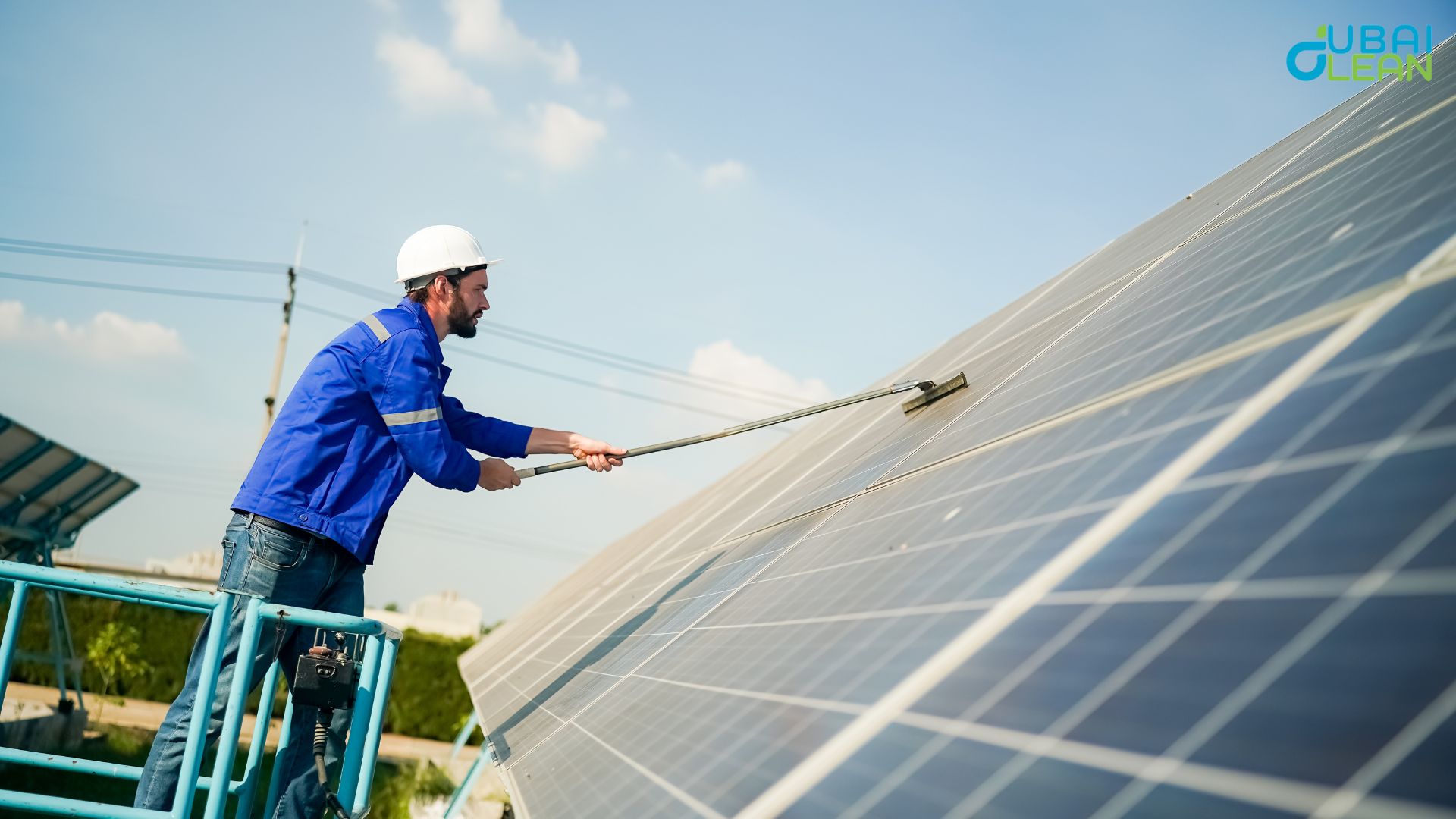

When to clean solar panels is a crucial question for every solar energy system owner. Proper maintenance timing can significantly impact your energy production and system longevity. Understanding the right cleaning schedule ensures optimal performance year-round.
Solar panels are exposed to various environmental factors that can reduce their efficiency. In regions like Dubai, where dust storms and high temperatures are common, when to clean solar panels becomes even more critical. Research shows that dirty panels can lose 15-25% of their energy production capacity.
The accumulation of dust, sand, bird droppings, and other debris creates a barrier between sunlight and photovoltaic cells. This barrier reduces the amount of solar energy converted into electricity, directly impacting your system's return on investment.
Identifying when to clean solar panels requires observing specific indicators. Visual inspection is your first line of defense against efficiency loss.
Monitor your system's energy output through your inverter display or monitoring app. A sudden drop in energy production without corresponding weather changes often indicates cleaning is needed. Compare current output with historical data from similar weather conditions.
Different seasons present unique challenges for solar panel cleanliness. Spring brings pollen and increased rainfall, while summer introduces intense heat and potential dust storms. Fall may bring falling leaves and debris, and winter can cause water spotting from irregular precipitation.
The 20% rule states that when to clean solar panels becomes critical when energy output drops by 20% or more compared to clean panel performance. This threshold indicates significant efficiency loss requiring immediate attention.
A 20% reduction in energy production translates to substantial financial losses over time. For a typical residential system, this could mean hundreds of dollars in lost energy savings annually. The rule serves as a practical benchmark for maintenance scheduling.
Regular monitoring helps identify when the 20% threshold is reached. Many modern solar systems include monitoring capabilities that track daily, weekly, and monthly energy production. Use these tools to establish baseline performance and identify deviations.
When to clean solar panels depends on several factors including location, weather patterns, and environmental conditions. Understanding these factors helps create an effective maintenance schedule.
Early morning or late afternoon provides optimal cleaning conditions. Avoid cleaning during peak sun hours (10 AM - 4 PM) when panels are hot and cleaning solutions evaporate quickly, leaving residue.
Cool panels are safer to clean and allow cleaning solutions to work effectively without rapid evaporation. Morning cleaning takes advantage of overnight dew that may have softened accumulated dirt.
Spring and fall represent ideal seasons for comprehensive solar panel cleaning. Spring cleaning removes winter accumulation and prepares panels for peak summer production. Fall cleaning addresses summer dust and debris while preparing for winter weather.
Summer cleaning may be necessary in extremely dusty environments, but should be done early morning or evening. Winter cleaning is typically less frequent unless specific contamination occurs.
Plan cleaning activities around weather patterns. Avoid cleaning immediately before predicted rain, as panels will become dirty again quickly. However, light cleaning after rain can be effective for removing water spots.
Wind conditions also affect cleaning effectiveness. Strong winds can blow cleaning solutions and create safety hazards. Choose calm days for optimal cleaning results.
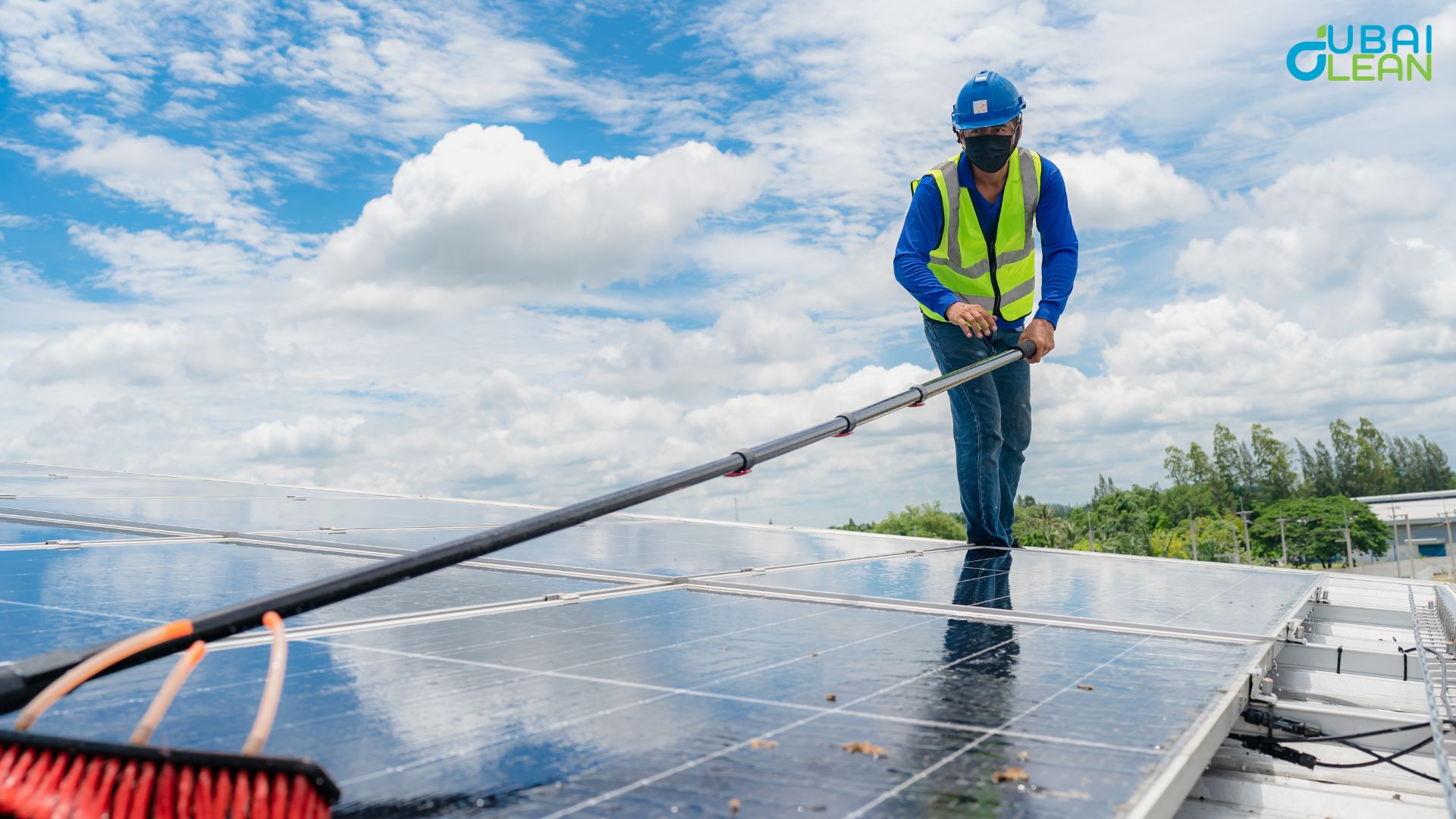
Water is generally safe and effective for when to clean solar panels maintenance. However, water quality and application method significantly impact cleaning effectiveness and panel longevity.
Use deionized or distilled water when possible to prevent mineral deposits. Hard water contains minerals that can leave spots and residue on panel surfaces. If using tap water, consider the local water quality and potential for mineral buildup.
Use low-pressure water application to avoid damaging panel surfaces or seals. High-pressure washing can force water into electrical connections or crack panel glass. Garden hose pressure is typically adequate for most cleaning situations.
Avoid using cold water on hot panels, as thermal shock can crack the glass. Similarly, avoid hot water that might damage panel coatings or seals. Room temperature water provides the safest cleaning option.
Regular cleaning significantly impacts solar panel performance and longevity. Understanding these benefits helps determine when to clean solar panels for maximum return on investment.
Clean panels consistently outperform dirty panels in energy production. Studies show that regular cleaning can maintain 95-98% of rated panel efficiency, while neglected panels may operate at only 75-80% efficiency.
Improved energy production directly translates to increased savings on electricity bills. For grid-tied systems, higher production may result in greater net metering credits. The cost of regular cleaning is typically recovered through increased energy production within months.
Regular cleaning prevents long-term damage from accumulated debris and corrosive materials. Bird droppings, in particular, can permanently stain or etch panel surfaces if left untreated. Proper maintenance extends system life and protects warranty coverage.
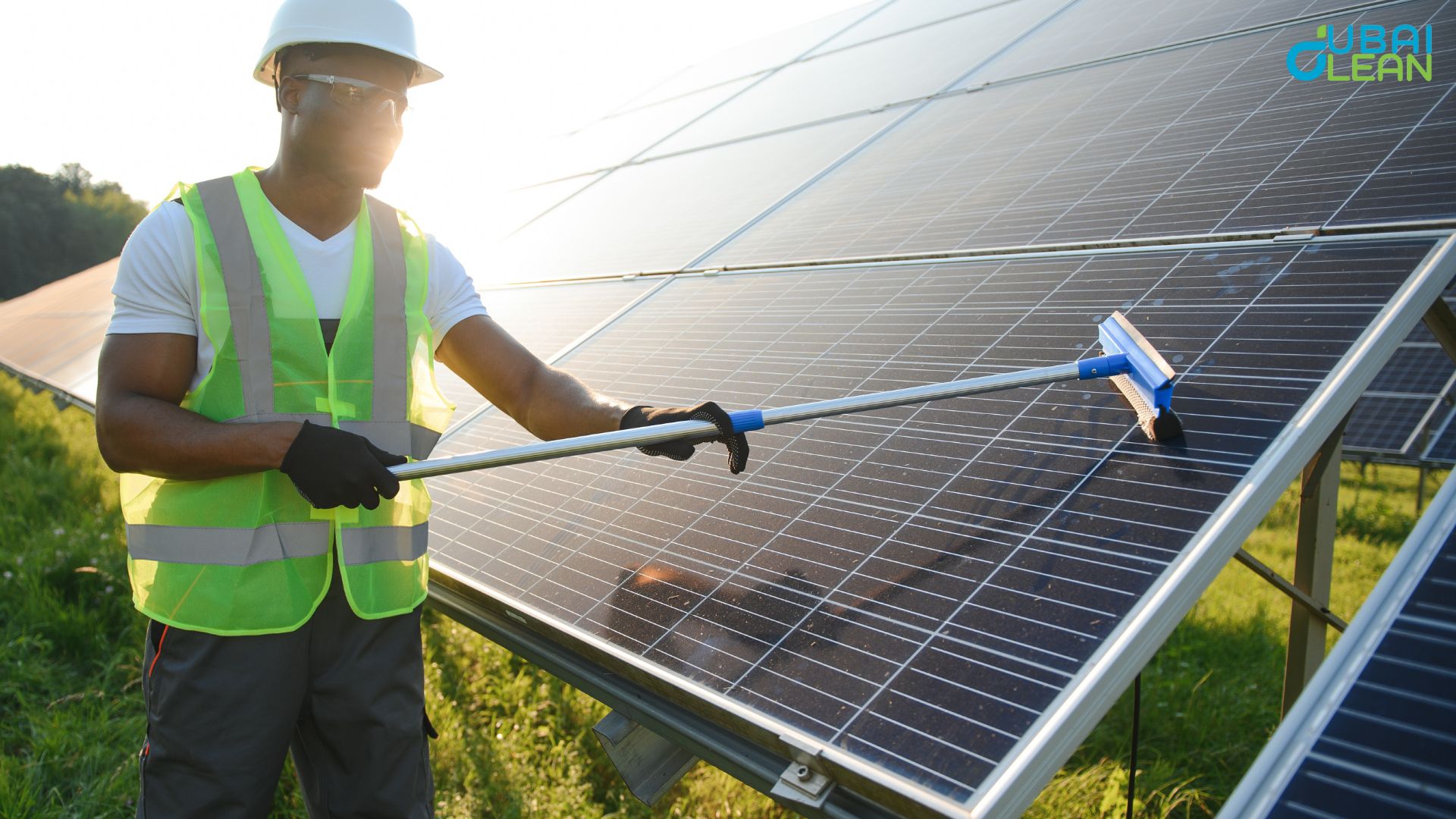
Determining when to clean solar panels for optimal results requires considering multiple factors including safety, effectiveness, and environmental conditions.
Early morning (6-8 AM) provides ideal cleaning conditions with cool panels and minimal wind. Late afternoon (5-7 PM) offers similar benefits with the added advantage of assessing cleaning effectiveness before sunset.
Avoid midday cleaning when panels are hot and cleaning solutions evaporate rapidly. Hot panels also present burn risks and make cleaning less comfortable and effective.
Most residential systems benefit from monthly visual inspections with cleaning as needed. Commercial systems may require more frequent attention due to larger surface areas and higher contamination rates.
Document cleaning activities and energy production to establish patterns and optimize scheduling. Some months may require more frequent cleaning due to seasonal factors.
Immediate cleaning may be necessary after dust storms, bird activity, or other contamination events. Don't wait for scheduled maintenance if significant contamination is visible or energy production drops suddenly.
While rain provides some cleaning benefit, it's rarely sufficient for maintaining optimal solar panel performance. Understanding rain's limitations helps determine when to clean solar panels beyond natural precipitation.
Light rain often turns dust into mud, spreading contamination rather than removing it. Even heavy rain may not remove stuck-on debris, bird droppings, or oily residues. Rain water can also leave mineral deposits as it evaporates.
Heavy, consistent rainfall can help remove loose dust and debris. Rain is most effective when it occurs regularly, preventing heavy accumulation of contaminants. However, rain alone cannot replace periodic manual cleaning.
Light cleaning after rain can be highly effective, as rain softens accumulated debris. Use this natural pre-treatment to make manual cleaning easier and more effective. Focus on removing remaining spots and streaks that rain couldn't eliminate.
Developing a personalized cleaning schedule optimizes when to clean solar panels based on your specific circumstances and environmental conditions.
Evaluate your local environment for dust levels, bird activity, tree coverage, and weather patterns. Urban areas may have more pollution, while rural areas might have more organic debris. Coastal areas face salt air challenges.
Use your solar monitoring system to track performance trends and identify cleaning needs. Set up alerts for significant production drops that might indicate cleaning requirements.
Adjust your cleaning frequency based on seasonal challenges. Increase frequency during dusty seasons or periods of high bird activity. Reduce frequency during rainy seasons when natural cleaning occurs more frequently.
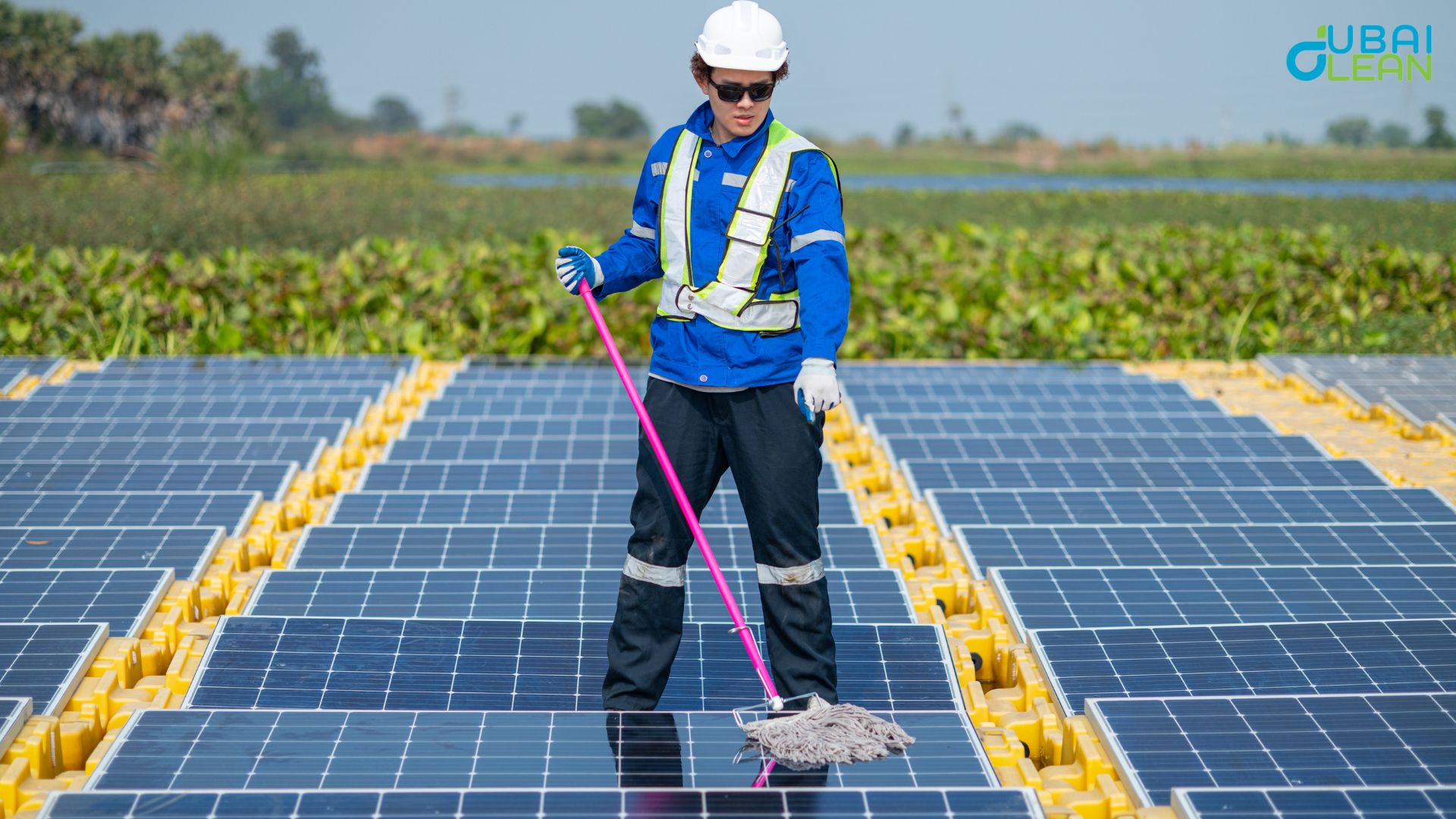
Safety should always be the primary concern when to clean solar panels, regardless of timing or cleaning method chosen.
Turn off the solar system before cleaning when possible, though this isn't always necessary for basic water cleaning. Avoid cleaning electrical connections, junction boxes, or exposed wiring. Work with dry hands and avoid creating water streams near electrical components.
Use proper ladder safety techniques and consider professional help for difficult-to-reach panels. Wet surfaces become slippery, increasing fall risks. Never work alone on elevated cleaning projects.
Use appropriate cleaning tools that won't scratch or damage panel surfaces. Avoid abrasive materials, harsh chemicals, or tools that might void manufacturer warranties.
Understanding when to clean solar panels is essential for maintaining optimal system performance and maximizing your solar investment. Regular monitoring, appropriate timing, and proper cleaning techniques ensure your panels operate at peak efficiency throughout their lifespan. By following these guidelines and establishing a consistent maintenance routine, you can protect your solar investment and enjoy maximum energy production for years to come.