Marble is a symbol of elegance and luxury, making it a popular choice for homes and commercial spaces across Dubai. It is commonly used for flooring, countertops, staircases, and decorative features to enhance interior appeal. Despite its beauty, marble requires regular care to maintain its shine and durability. Daily foot traffic, dust, and moisture can gradually dull the surface over time. Professional marble polishing helps restore its natural brilliance while protecting the stone and ensuring long-lasting value.
1. Understanding Marble Polishing and Why It Matters
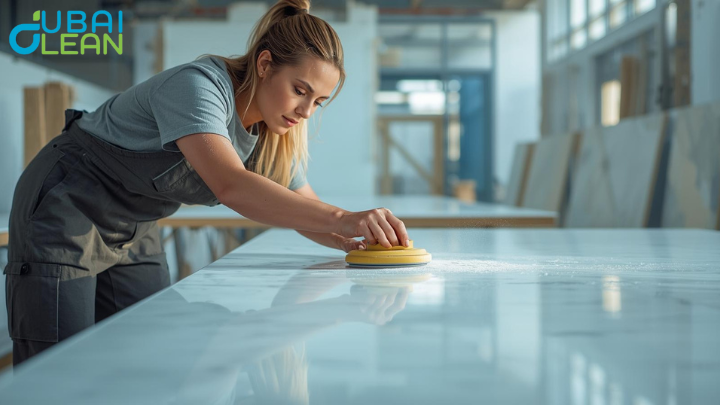
Marble polishing is a professional technique designed to bring back the stone’s original luster by leveling the surface and eliminating small scratches, stains, and dull areas. Unlike regular cleaning, this process works deep within the marble, improving both its visual appeal and long-term strength.
In Dubai’s climate, marble surfaces are often exposed to fine dust, humidity, and temperature fluctuations. Without proper maintenance, marble can lose its gloss, become porous, and develop uneven coloring. Professional polishing not only revives the marble’s beauty but also creates a protective layer that helps resist future damage.
Regular marble polishing also helps maintain the structural integrity of the stone over time. By sealing microscopic pores and strengthening the surface, polishing reduces the risk of cracks, deep stains, and long-term wear. This makes marble easier to clean, more resistant to daily use, and better suited for high-traffic areas in both residential and commercial spaces.
2. Key Factors That Affect Marble Polishing Prices
Marble polishing prices can vary widely depending on several important factors. The type of marble, its current condition, and the total area to be polished all play a major role in determining the cost. Additional considerations such as design complexity and the level of restoration required can also affect pricing. Understanding these factors helps property owners make informed decisions and avoid unexpected expenses.
Type of Marble
Different marble varieties have different densities, hardness levels, and finishing requirements. Premium marbles are more delicate and require advanced polishing techniques, which increases the cost.
- Italian Marble: AED 350 – 500 per sq. meter
- Greek Marble: AED 300 – 450 per sq. meter
- Turkish Marble: AED 150 – 350 per sq. meter
- Indian Marble: AED 90 – 250 per sq. meter
Size of the Area
Project size significantly impacts pricing. Small residential spaces such as bedrooms or hallways typically cost less than large commercial areas like hotel lobbies, shopping centers, or office floors.Larger areas may benefit from a lower per-square-meter rate, but they still require more time, manpower, and machinery, which affects the overall cost.
3. Condition of the Marble Surface
The condition of your marble floor greatly influences the polishing cost and process. Surfaces with scratches, stains, or cracks require more intensive treatment compared to well-maintained marble. Proper assessment ensures the right polishing technique is applied for a flawless finish.
| Marble Condition | Polishing Impact / Notes |
|---|---|
| Light dullness | Basic polishing restores shine; quick and cost-effective |
| Minor scratches or etching | Deeper polishing required; may need multiple passes to achieve smooth surface |
| Stains or discoloration | Cleaning and stain removal needed before polishing; may slightly increase cost |
4. How Often Should Marble Be Polished?
The frequency of marble polishing depends on factors such as foot traffic, usage, and the type of marble installed. Regular polishing keeps the surface smooth, shiny, and resistant to stains or scratches, extending the life of your flooring. Homes, offices, and commercial spaces may all require different maintenance schedules based on wear and environmental conditions. Following a proper polishing routine ensures that your marble retains its elegance and durability over time.
- Residential floors with light traffic: every 1–2 years
- High-traffic residential areas: every 12 months
- Commercial spaces like offices or retail stores: every 6–12 months
- Luxury villas and high-end apartments: routine maintenance every 12 months
- Kitchens and bathrooms: more frequent polishing due to moisture exposure
- Outdoor marble surfaces: check annually; polish if wear or discoloration appears
- Areas with heavy foot traffic: monitor shine regularly and polish as needed
- Newly installed marble: initial polishing recommended after installation
- Floors with visible scratches or stains: polish immediately to prevent long-term damage
5. Marble Polishing Transformation in Dubai
A villa in Jumeirah featured elegant Italian marble flooring throughout the living areas. Over the years, constant foot traffic, furniture movement, and occasional spills caused the marble to lose its shine and develop visible scratches.The homeowners opted for professional marble polishing. The service included surface grinding, stain removal, and high-gloss polishing, followed by a protective sealant. The result was a dramatic transformation the marble floors regained their mirror-like finish, felt smoother underfoot, and became easier to clean.
Conclusion
Marble polishing goes beyond aesthetics it is essential for protecting and preserving one of the most luxurious materials found in Dubai interiors. Although polishing costs in Dubai typically range from AED 90 to AED 500 per square meter, the real value comes from skilled workmanship and long-lasting results. Investing in professional polishing restores the marble’s natural shine, strengthens its durability, and maintains its elegant appearance. With consistent care and regular maintenance, polished marble floors continue to enhance the beauty, comfort, and value of homes and commercial spaces for years.